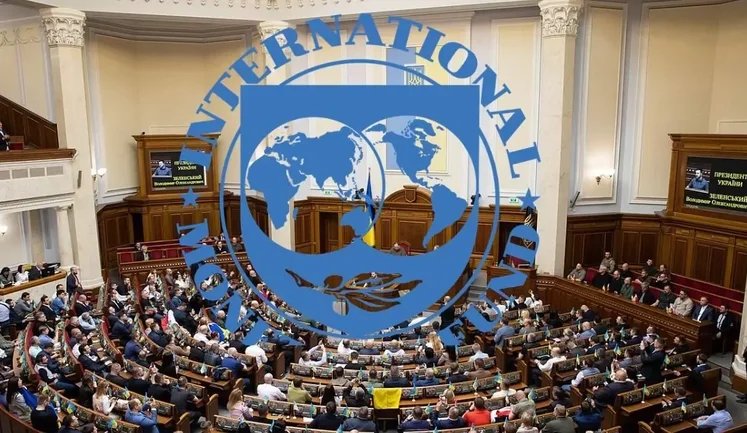
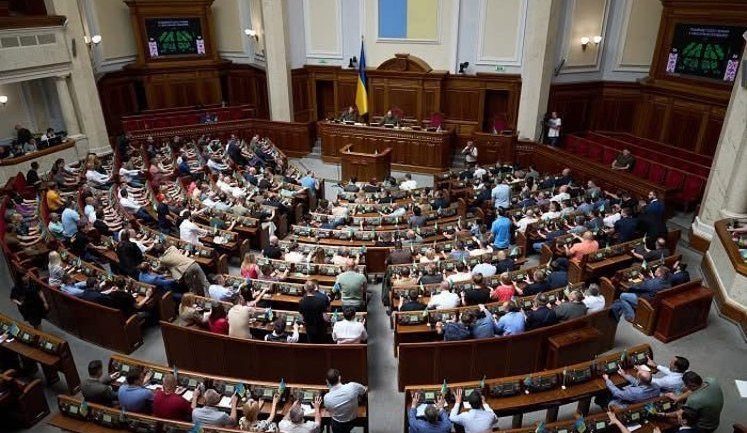
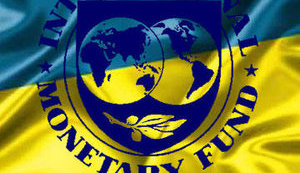
The International Monetary Fund (IMF) is playing a pivotal role in aiding Ukraine's financial stabilization and reform processes. Despite challenges, such as institutional gaps hindering investment flow and delayed legislative actions in the Verkhovna Rada, the IMF has pledged significant support. Recently, Ukraine received the first tranche of $1.5 billion from the IMF under a new four-year Extended Fund Facility (EFF) program. With a total package of $8.1 billion, this initiative is set to bolster Ukraine's economy amid the ongoing conflict. However, pending tax legislation and anti-corruption measures remain vital components of the IMF's conditions for continued support. The organization also anticipates reviewing the program if peace talks progress, indicating its adaptability to Ukraine's volatile political and economic landscape.
What is the role of the IMF in supporting Ukraine's economy?
The IMF provides financial assistance and strategic support to Ukraine, aiming to stabilize its economy. It engages with the Ukrainian government to implement necessary reforms, addressing fiscal challenges and ensuring the effective use of international aid. The IMF's programs are designed to help cover budget deficits and promote economic recovery amid the ongoing war.
Why is legislative action important for Ukraine's IMF funding?
Legislative action is crucial for unlocking the full potential of IMF funding. The conditions attached to financial aid often include specific legislative reforms, such as tax law changes, which are essential for the effective utilization of funds. Prompt decisions by the Ukrainian parliament are necessary to avoid delays in receiving funding and to meet the goals set in partnership with the IMF.
How does the IMF adjust its financial programs for Ukraine during wartime?
The IMF adjusts its financial programs for Ukraine by considering current political and economic conditions. Emphasizing flexibility, the IMF is prepared to reevaluate its support structures based on the country's progress in peace talks and other critical reforms. This allows for tailored assistance that aligns with Ukraine's evolving needs, providing vital economic stability during conflict.
What are the potential risks associated with delays in implementing IMF-required reforms in Ukraine?
Delays in implementing IMF-required reforms pose risks such as hindered access to necessary funding, increased economic instability, and inability to meet fiscal targets. These reforms are designed to strengthen economic resilience, attract investment, and ensure sustainable development. As such, the timely adoption of these measures is crucial to maintaining international financial support and trust.
How does the IMF's financial assistance impact Ukraine's post-war economic recovery?
The IMF's financial assistance strategically impacts Ukraine's post-war economic recovery by providing essential funds that support budgetary needs, stabilize the currency, and promote structural reforms. This financial backing helps lay the groundwork for sustainable economic growth and facilitates the rebuilding of critical institutions, making Ukraine more attractive for future investments.