Ukraine's fight against tax evasion has intensified, unveiling a shadow financial network, seizing over 630 million hryvnias across 16 regions. This crackdown highlights efforts to curb money laundering and tax evasion. Meanwhile, the Cabinet reaffirms parcel taxes, affecting international consignments up to 150 euros. In occupied Luhansk, new transport taxes threaten residents with property seizure. The road construction sector faces scrutiny with a 243 million hryvnia VAT evasion uncovered. Legislative changes continue with the Rada greenlighting digital platform taxation and VAT exemptions for unmanned systems, underscoring Ukraine's evolving tax landscape.
What is the significance of recent tax investigations in Ukraine?
Recent tax investigations in Ukraine have uncovered a vast shadow financial network, implicating individuals in a scheme that involved tax evasion and money laundering across multiple regions. Law enforcement's seizure of over 630 million hryvnias underscores the government's commitment to combating financial crimes and tightening tax compliance. These developments are part of broader efforts to ensure transparency and accountability in financial dealings.
How do recent legislative changes affect parcel taxation in Ukraine?
The Ukrainian Cabinet's decision to approve taxation on parcels valued up to 150 euros affects international postal and express consignments. This move is part of broader tax reform efforts aimed at increasing state revenue and aligning with international customs standards. The legislation addresses discrepancies in taxation and aims to streamline the collection process, impacting consumers and businesses engaged in cross-border transactions.
What impact does the new transport tax have on residents in occupied regions?
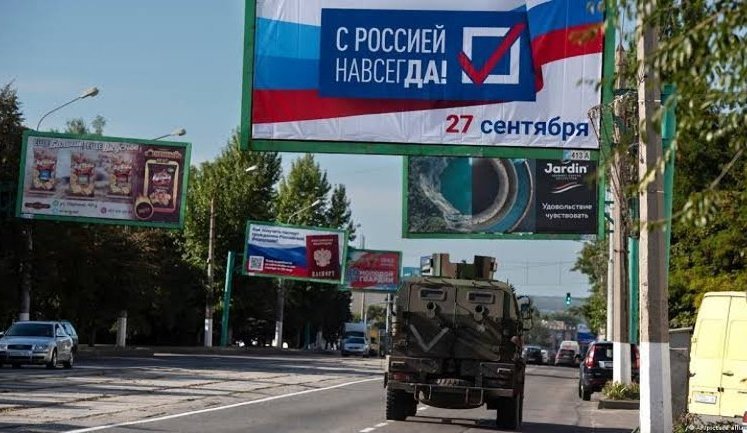
In the occupied Luhansk region, the introduction of new transport taxes by Russian authorities imposes an additional financial burden on local residents. Failure to comply with these taxes results in severe consequences, such as account blockages and property seizures, further complicating the socioeconomic situation in these areas. The move reflects broader attempts by occupying forces to assert control over economic resources and integrate them into the Russian financial system.
What are the implications of VAT evasion in Ukraine's road construction sector?
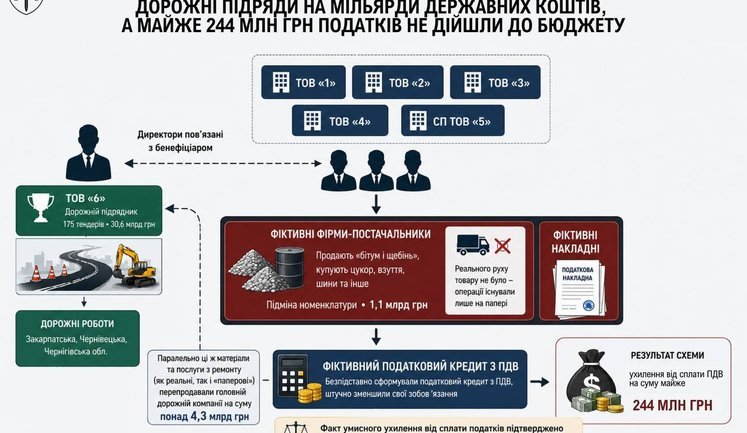
The exposure of a 1.1 billion hryvnia fictitious transactions scheme in Ukraine's road construction sector illustrates the challenges of maintaining tax integrity. This evasion resulted in a 243 million hryvnia loss in VAT, prompting legal action against the involved parties. It highlights the need for stricter regulatory oversight and transparency to prevent revenue losses and ensure fair taxation within critical infrastructure sectors.
How is the taxation of digital platforms evolving in Ukraine?
Ukraine has made significant strides in digital platform taxation, with the Verkhovna Rada passing a law regulating the sector. The legislation ensures digital platforms contribute equitably to the national economy, addressing the digital economy's growth and its tax implications. This development signals Ukraine's commitment to modernizing its tax framework and ensuring that digital revenues are adequately taxed, supporting national fiscal policies.