In 2026, Ukraine navigates numerous taxation changes amid ongoing geopolitical challenges. The Cabinet of Ministers recently re-approved the taxation of parcels valued up to 150 euros, a significant move expected to affect online consumers and businesses. Conversely, the Verkhovna Rada passed laws taxing digital platforms, aiming to generate additional state revenue during martial law. Moreover, controversy surrounds the tax imposed on residents of the occupied Luhansk region by Russian authorities, introducing a vehicle tax with looming threats for non-compliance. These developments reflect broader economic pressures, including the IMF's focus on Ukraine's fiscal reforms and rising public sentiment towards tax hikes for Western funding. Stay informed with the latest news.
What is the consequence of the parcel tax policy in Ukraine?
The taxation of parcels worth up to 150 euros, approved by the Cabinet of Ministers, is likely to influence international online shopping. It could lead to increased consumer costs, potentially affecting market dynamics for cross-border trade. Businesses and consumers need to adapt to these regulatory changes to manage costs efficiently.
How will the vehicle tax impact Luhansk residents?
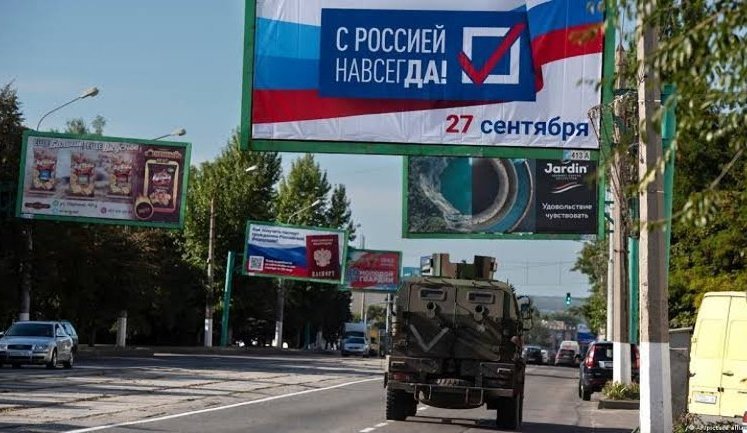
The new vehicle tax imposed by Russian authorities in the occupied Luhansk region represents a significant financial burden for residents. Non-payment carries severe penalties, including the potential for account blocks and property seizures, increasing economic strain on individuals during a period of occupation.
What are the implications of digital platform taxation?
Taxing digital platforms, a move recently approved by the Verkhovna Rada, aims to bolster Ukraine's revenue by targeting the growing digital economy. While it aligns Ukraine with global digital tax trends, its implementation can challenge local and international platforms operating under Ukraine's jurisdiction, prompting compliance adjustments.
Why is the VAT exemption for UGV supplies significant?
Exempting unmanned ground vehicle supplies from VAT represents Ukraine's strategic move to bolster its defense infrastructure amidst martial law. This exemption can significantly reduce costs for defense suppliers, enhancing the nation's military capabilities and readiness during continued conflicts.
What does public sentiment reveal about tax hikes in Ukraine?
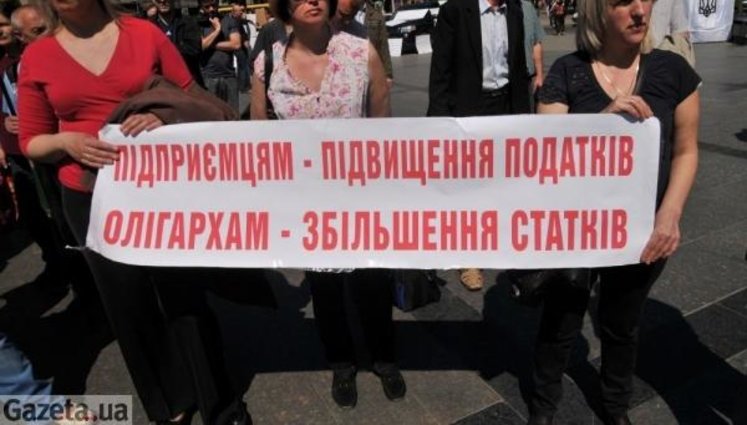
According to KIIS data, 48% of Ukrainians support potential tax hikes if these are required for Western financial aid. This reflects a crucial shift in public opinion towards sacrificing short-term financial comfort for long-term support and stability. However, it also underscores the need for transparent governmental communication and accountability in tax policies.