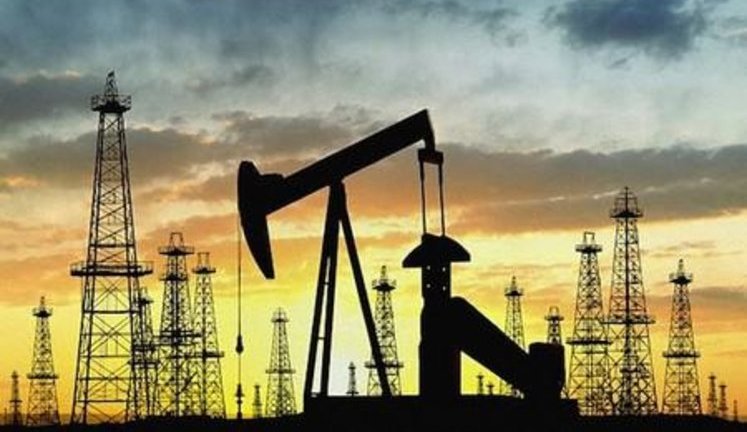
As global tensions persist, oil remains a focal point in international politics. Recent moves by the U.S. and EU to impose and occasionally lift sanctions on Russian oil are reshaping economic and political dynamics worldwide. The reopening of the Strait of Hormuz is pivotal, allowing renewed flow of oil despite newly emerging conflicts. Russia's oil infrastructure, continually targeted by Ukraine, illustrates the ongoing struggle impacting global markets. Meanwhile, strategic partnerships and regional agreements highlight the complex interdependencies in the oil industry. These developments underscore not only the economic implications but also the geopolitical shifts resulting from sanctions and conflicts involving oil-producing regions.
What are the implications of U.S. sanctions on Russian oil?
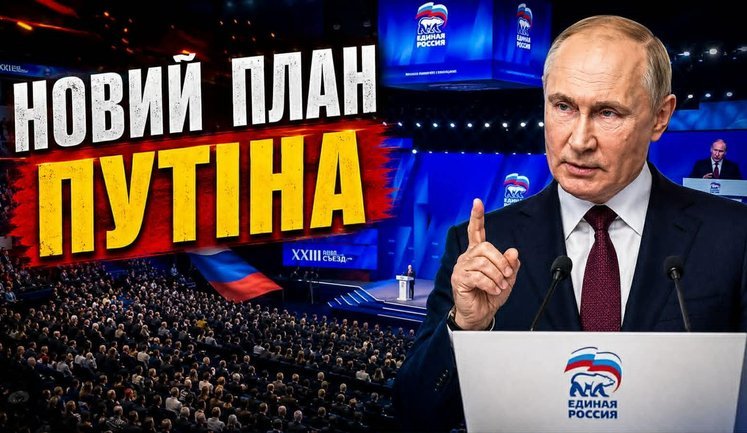
The U.S. sanctions on Russian oil aim to curb Russia's economic power by restricting its primary revenue source. These sanctions impact global oil prices and contribute to geopolitical tensions. While easing sanctions can temporarily boost Russian revenue, it often faces global critique due to the perceived support it gives to Russia's military efforts.
Why is the reopening of the Strait of Hormuz significant?
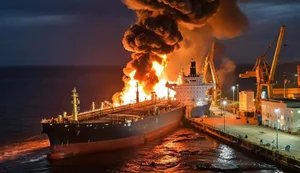
The Strait of Hormuz is a critical chokepoint for global oil transportation. Its reopening allows the flow of oil to resume after conflicts, stabilizing supply and affecting global oil prices. This is crucial for economies dependent on consistent oil shipments from the region.
How do EU sanctions impact the Russian oil market?
EU sanctions on Russian oil target financial and logistical operations, aiming to weaken Russia's economic base. These sanctions reduce Russia's oil revenue and influence, compelling the country to seek alternative markets for its exports. However, they also affect Europe’s energy supply, leading to complex economic and political negotiations.
How has the war in Ukraine affected the international oil market?
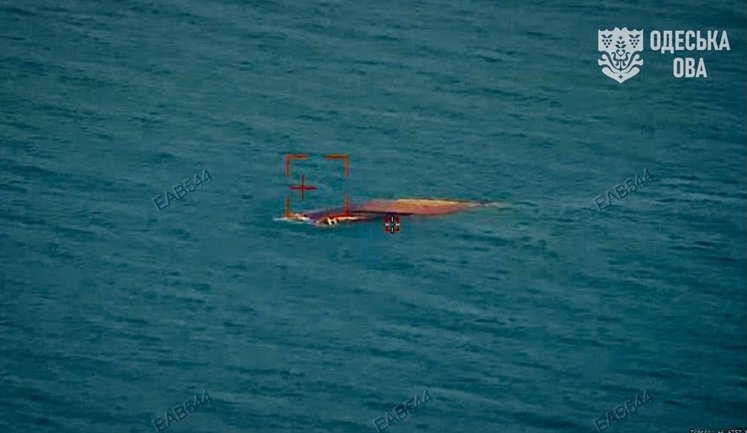
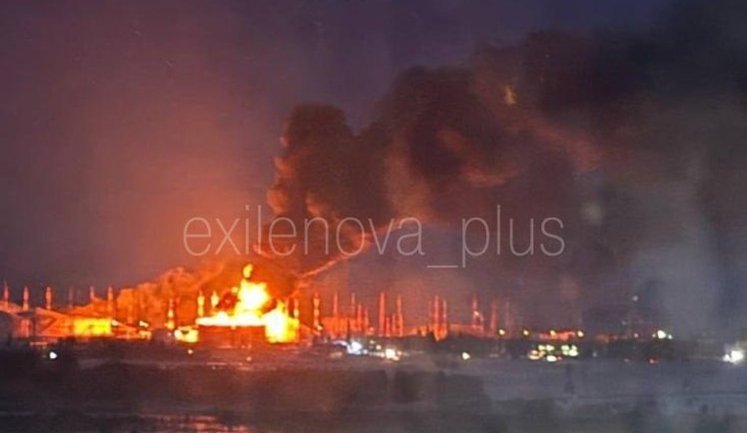
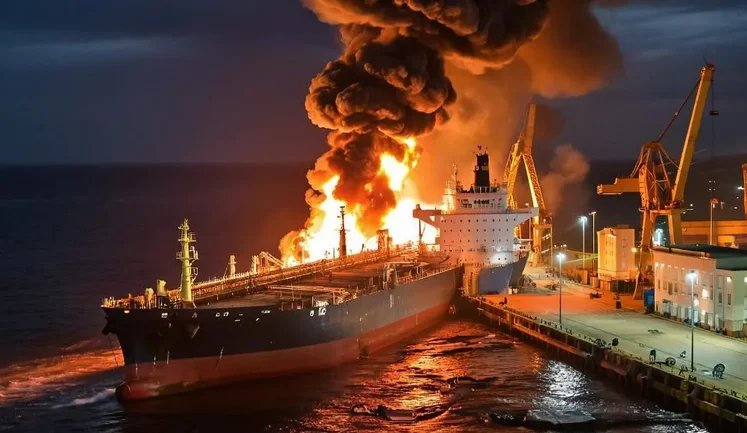
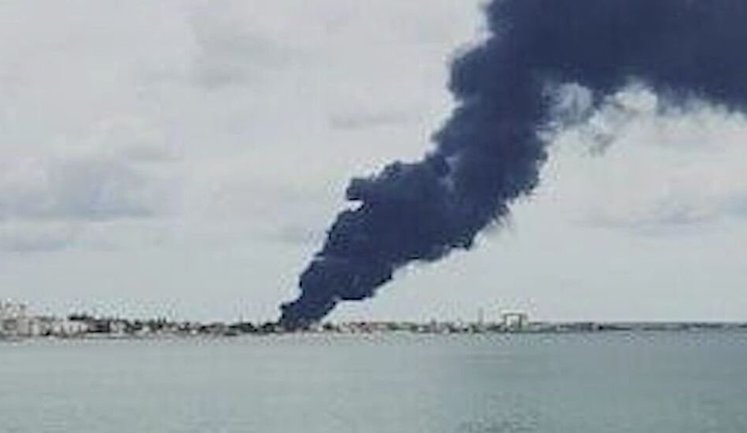
The war in Ukraine has created volatility in the international oil market. Ukrainian strikes on Russian oil infrastructure have disrupted supply chains, leading to fluctuating prices and strategic reevaluations by global powers. This conflict underscores the interconnectedness of geopolitical actions and economic outcomes in energy markets.
What role does India play in the Russian oil market?
India continues to purchase Russian oil, indicating a strategic decision to prioritize energy security over international pressure. Its actions demonstrate the complexity of global alliances and the challenges of imposing effective oil sanctions. India’s involvement illustrates the nuanced positions countries may adopt in response to geopolitical pressures.