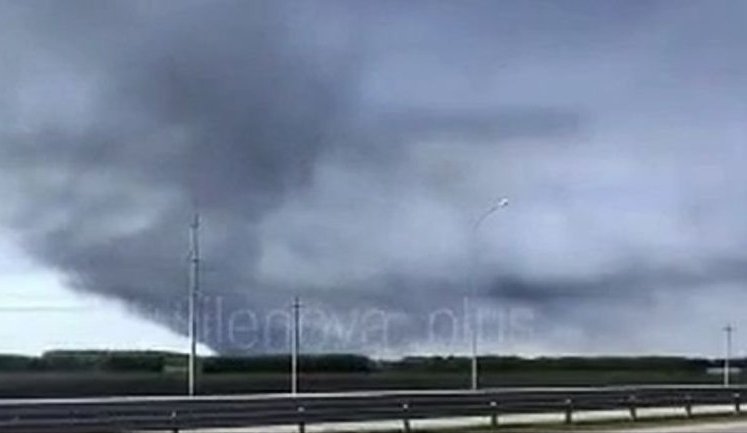
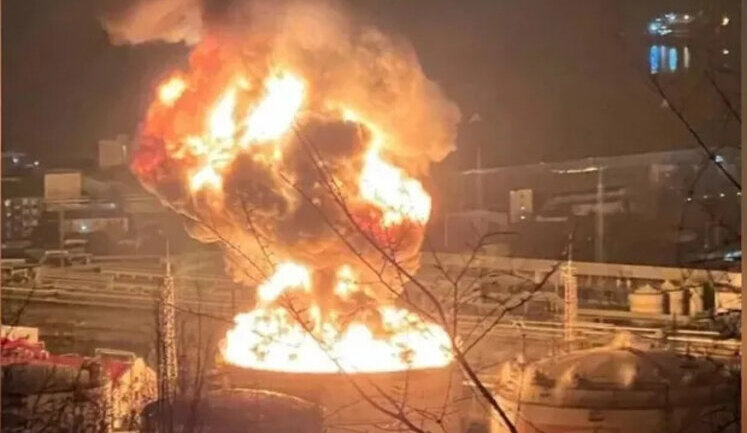
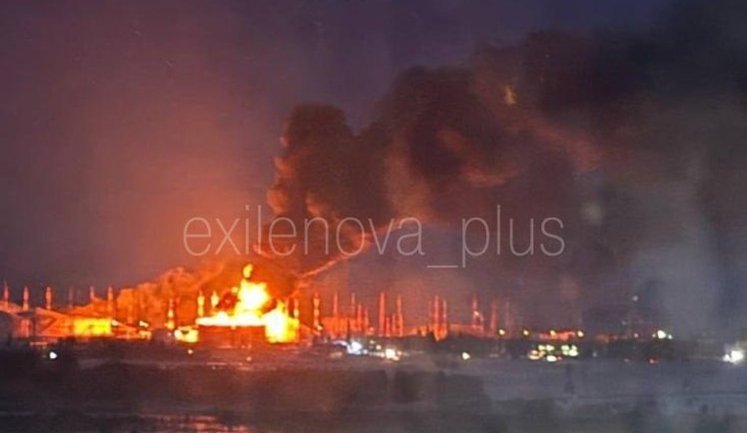
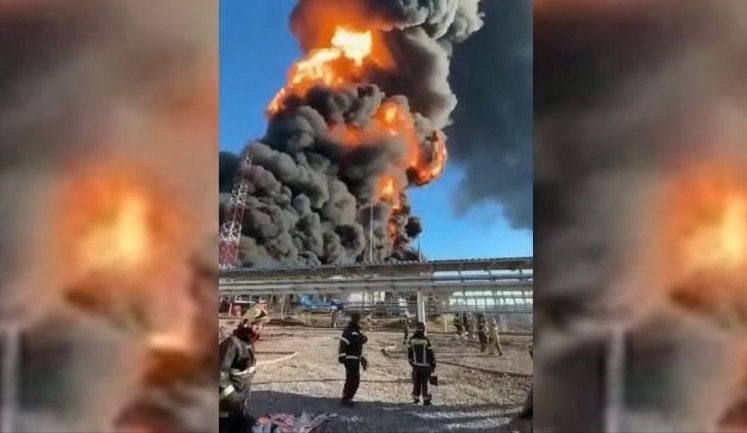
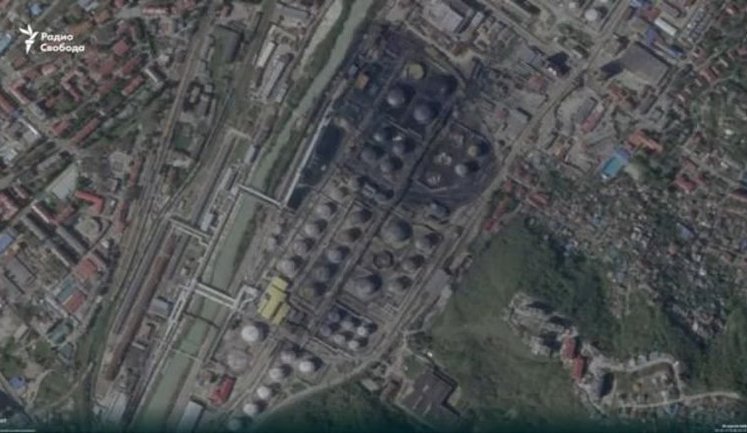
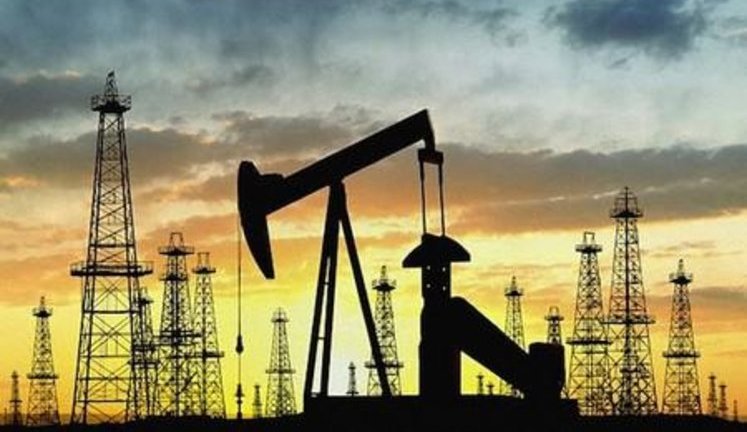
In 2026, significant developments are shaking the global oil industry. From massive fires at refineries in Perm and Tuapse, Russia, causing environmental and logistical chaos, to policy decisions in the U.S. affecting oil trade dynamics, the oil sector has witnessed tumultuous changes. The cessation of exemptions for Russian oil emphasizes the geopolitical tension influencing market stability. Meanwhile, Ukraine's strategic oil transactions with Middle Eastern countries aim to ensure a robust oil reserve amidst these disruptions. These events underscore the intricate link between energy, politics, and environmental impact, as nations navigate an evolving landscape that challenges traditional supply chains and economic strategies.
How have recent fires affected the Russian oil industry?
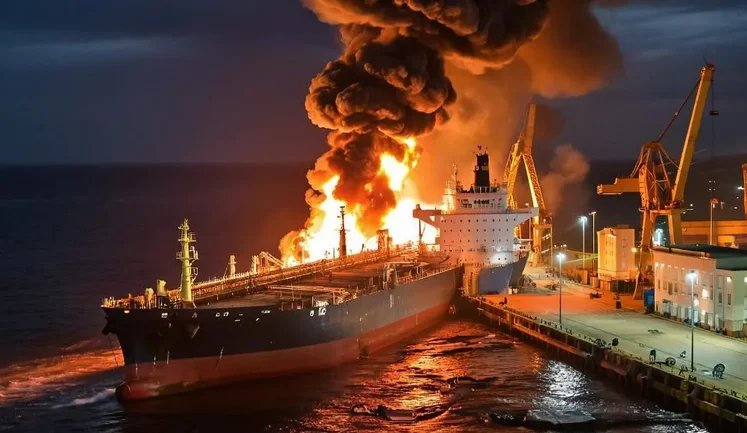
Recent fires at refineries in Russia, particularly at Lukoil's facility in Perm and the Tuapse refinery, have caused extensive damage. These incidents have led to the loss of fuel tanks and significant environmental concerns, impacting Russia's oil production capacity and highlighting vulnerabilities in infrastructure safety and crisis management.
What impact do US sanctions have on Russian oil exports?
The reinstatement of US sanctions on Russian oil significantly affects Russia's revenue from oil exports. By restricting the sale and purchase of Russian petroleum, these sanctions aim to limit Russia's economic advantage, consequently influencing global oil prices and shifting trade dynamics with other countries.
Why did Ukraine strike oil deals with Middle Eastern countries?
Ukraine secured oil supply agreements with Middle Eastern nations to build a strategic reserve that assures energy stability. This move is proactive in response to potential disruptions in traditional supply lines, ensuring that the country can maintain its oil needs amidst global uncertainty and geopolitical tensions.
What are the implications of the Druzhba pipeline repair in Ukraine?
The repair and resumption of the Druzhba pipeline in Ukraine signify an essential step to reestablish oil flows to Europe, particularly to Hungary and Slovakia. This development is crucial to maintaining regional energy security and resilience in the face of possible supply challenges and political turbulence.
How do geopolitical tensions affect oil prices globally?
Geopolitical tensions, such as conflicts involving major oil-producing nations or sanctions impacting export capabilities, create uncertainty in the global market. These events often lead to fluctuations in oil prices, affecting both production costs and the economic stability of countries reliant on oil imports or exports.