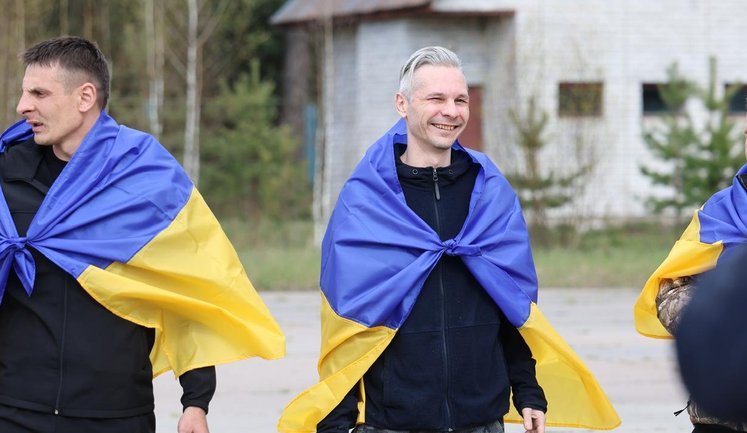
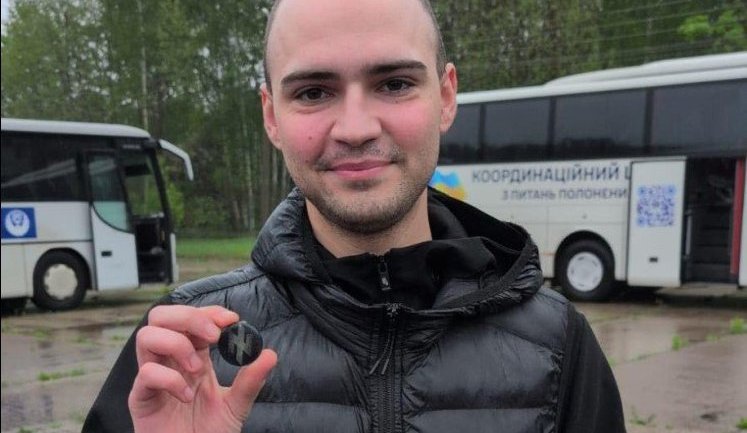
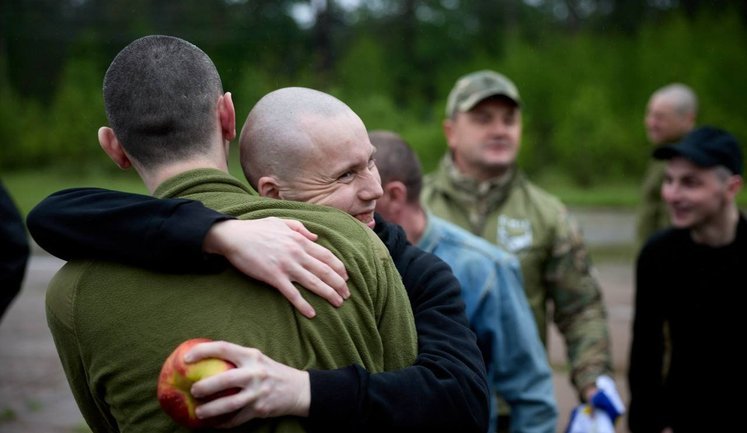
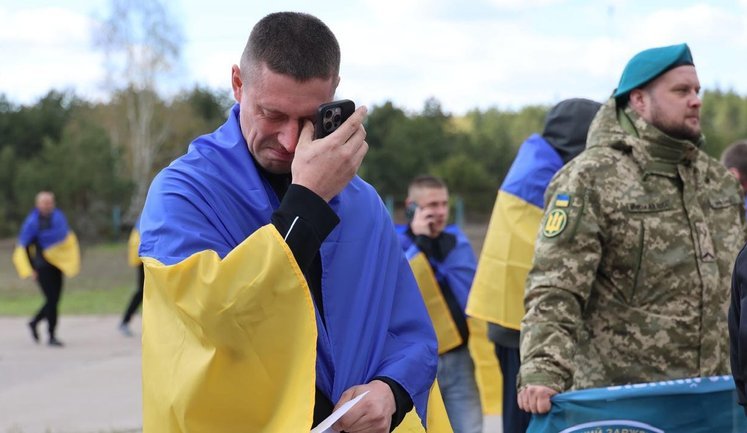
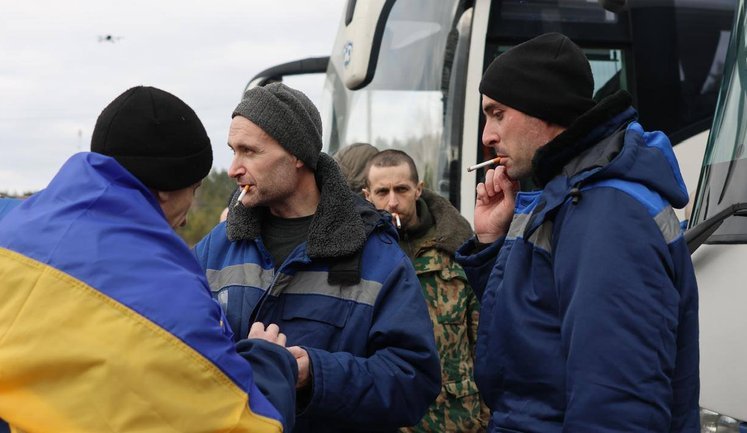
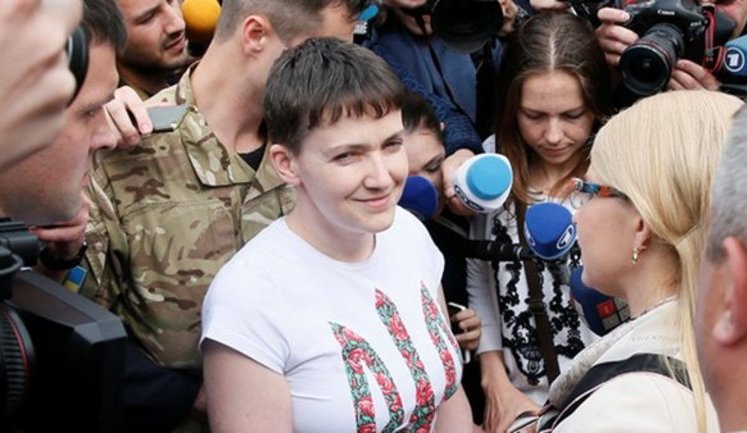
In 2026, Ukraine has been actively engaging in prisoner exchanges with Russia. President Zelenskyy announced preparations for upcoming exchanges, emphasizing continuous efforts to bring captured Ukrainians back home. Recent exchanges have included the return of civilians and military personnel, showcasing the ongoing negotiation process. Coordination Headquarters reported a significant number of prisoners have been returned, many held in Chechnya and Mariupol. Despite delays, Ukraine remains committed to the "all for all" exchange policy, ensuring no captive is left behind. Exchanges further reflect alliances with countries like Poland, exemplifying international cooperation in humanitarian relief.
Why are prisoner exchanges important in the Ukraine-Russia conflict?
Prisoner exchanges represent a significant diplomatic tool in conflicts, facilitating the return of captured individuals to their homeland. These exchanges are vital in boosting morale, resolving humanitarian issues, and setting a precedent for communication between conflicting parties. Apart from the humanitarian implications, prisoner exchanges act as confidence-building measures that may pave the way for broader negotiations.
What challenges are involved in the exchange of prisoners?
Exchanges involve complex negotiations, requiring both parties to agree on terms, numbers, and logistics. Delays often occur due to differences in political or strategic objectives. The process may include verifying prisoners' identities, managing logistical hurdles, and ensuring international laws are respected. Tensions can rise when accusations of non-compliance or bad faith are made, complicating the negotiation process further.
How has Ukraine managed its prisoner exchange strategy with Russia?
Ukraine has adopted a strategic approach to prisoner exchanges, focusing on returning both military personnel and civilians. Negotiations are often conducted in tandem with allies like the US and EU, emphasizing global responsibility and cooperation. Kyiv persists with the "all for all" exchange philosophy, prioritizing the return of all citizens held abroad, regardless of their roles or circumstances.
What role do international allies play in these exchanges?
International allies provide diplomatic support, mediation, and logistical assistance in prisoner exchanges. Countries like Poland have shown active involvement, reflecting their vested interests in regional security. These collaborations not only facilitate successful exchanges but also help maintain pressure on parties to abide by humanitarian laws, emphasizing global commitment to human rights and conflict resolution.
What outcomes can result from successful prisoner exchanges?
Successful prisoner exchanges can lead to improved diplomatic relations, a reduction in hostilities, and a buildup of trust between conflicting parties. Such outcomes might lay the groundwork for further peace negotiations or other forms of diplomatic engagement. Moreover, these exchanges can offer emotional relief to families and strengthen national unity by demonstrating the government's commitment to protecting its citizens.