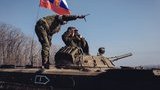
The occupation of Ukrainian territories by Russian forces has introduced significant societal changes and hardships. Reports indicate that more than 34,000 Ukrainian housing units are being confiscated to be given to Russian citizens, showing a deliberate attempt by the occupying forces to alter the demographics. Additionally, there's a strategic reduction in education in the Donetsk region, where schools and kindergartens are closing under the guise of educational reforms, leading to massive teacher layoffs. The imposition of military indoctrination in occupied regions underscores the occupiers' intent to consolidate control through both physical and ideological means. Ukrainian society remains resilient in the face of these adversities, striving to repatriate children and maintain cultural integrity amidst ongoing occupation-related challenges.
What are the main challenges faced by occupied Ukrainian territories?
Occupied territories in Ukraine confront challenges such as confiscation of property, educational shutdowns, enforced military indoctrination, and the breakdown of civilian infrastructure. Moreover, these areas endure human rights violations including unlawful detention and population displacement.
How many properties have been confiscated in occupied regions of Ukraine?
Reports have shown that the Russian occupation authorities have confiscated or are in the process of confiscating at least 34,002 properties in the occupied Ukrainian territories. These include a mix of apartments, private homes, and summer cottages.
In what ways are education systems affected in occupied areas?
Education in occupied territories has been severely affected, with massive school and kindergarten closures in regions like Donetsk. The official reason is educational reform, but in reality, it's a cost-cutting strategy that results in teacher layoffs and diminished educational opportunities for children.
What strategies are being used to integrate children into military structures in these regions?
Children in occupied regions are being drawn into military structures through educational programming that emphasizes Russian military values and training. This includes increased military training in school curriculums and using summer camps as a means to prepare children for future military service.
How is Ukraine addressing the issue of children being deported from occupied territories?
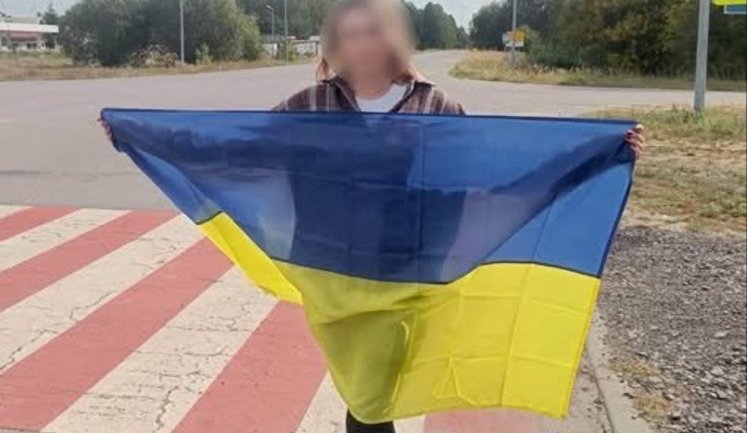
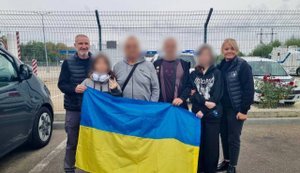
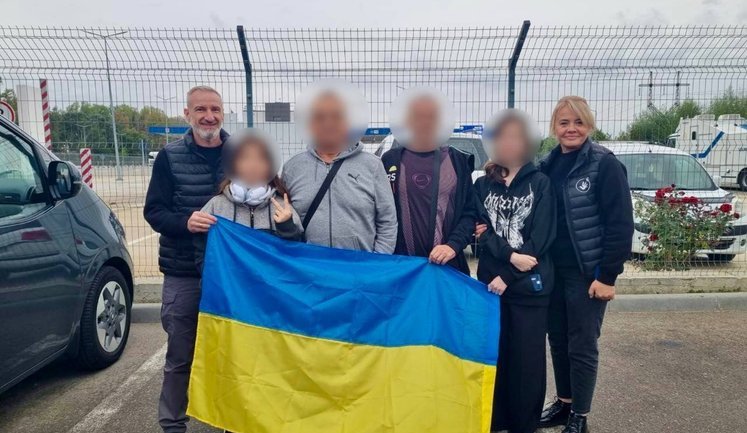
Ukraine has made significant strides in repatriating children from occupied territories, having managed to return over 2,425 children who were illegally deported. Efforts continue to unearth the whereabouts of others and to keep family units intact.
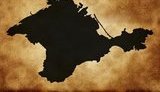
What measures have been taken by Russian occupiers to alter the infrastructure in occupied Crimea?
In occupied Crimea, the infrastructure has been militarized and communications are restricted due to frequent power cuts. Additionally, public utilities are being used coercively to enroll citizens into military service, furthering the Kremlin's occupation strategy.
What are the impacts of occupation on the civilian population's daily life?
Civilians in occupied territories face severe impacts on their daily lives, including restricted movement, disruption of education, employment challenges, and shortages of commodities. They are often subject to forced indoctrination and coercive practices that challenge their safety and autonomy.