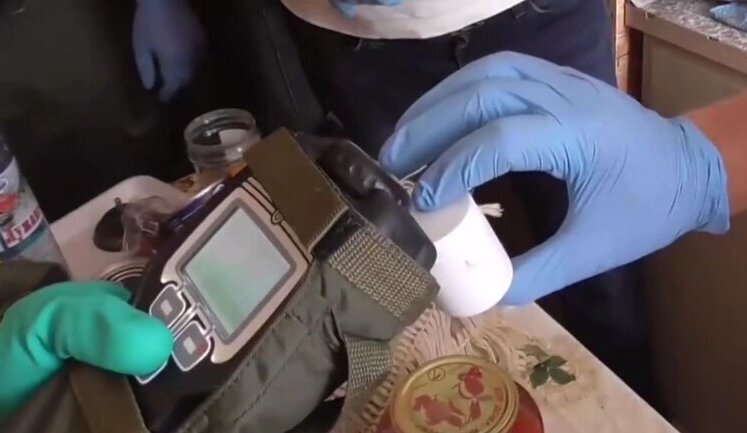
The ongoing problem of poisoning in Ukraine has taken center stage with several high-profile cases. In the Vinnytsia region, 25 people fell ill after dining at a fast food restaurant, prompting an immediate suspension of the facility's operations while police investigate the circumstances. Meanwhile, in Kharkiv, an FSB agent disguised as an IT specialist was detained for allegedly poisoning an Armed Forces serviceman and plotting terrorist attacks. In Kyiv, law enforcement detained a man accused of slowly poisoning his companion over several months for financial gains. These incidents highlight the persistent threat of chemical exposure and poor safety protocols. Additionally, cases of carbon monoxide poisoning have emerged, with fatal consequences, due to improper use of generators. Each case underscores the critical need for vigilance, awareness, and improved safety standards to prevent such tragedies.
What are the main causes of poisoning incidents in Ukraine?
Poisoning incidents in Ukraine often stem from various factors, including consumption of contaminated food, exposure to chemicals, and carbon monoxide leaks. Instances like the fast food poisoning in Vinnytsia and chemical attacks in Kharkiv highlight the range of risks. Moreover, improper use of household generators has resulted in fatal carbon monoxide poisonings. These incidents underscore the importance of adhering to safety protocols and enhancing public awareness to minimize risks.
How are authorities responding to poisoning cases in Ukraine?
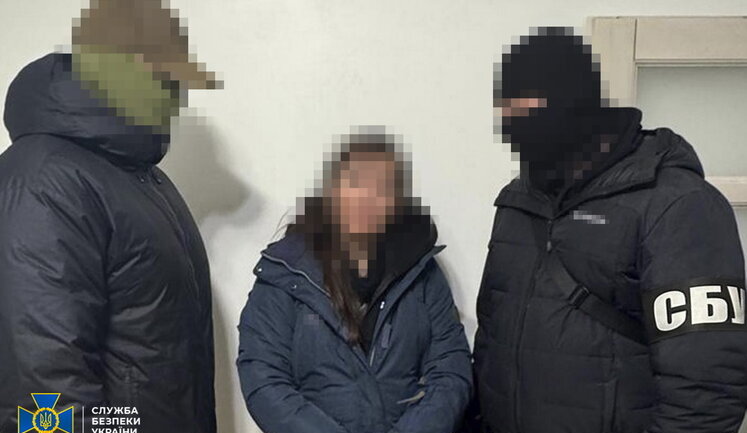
Ukrainian authorities are actively investigating poisoning incidents through rigorous law enforcement measures. In Vinnytsia, the restaurant linked to the food poisoning of 25 individuals was promptly closed, and police investigations are underway. In Kharkiv, a swift action by the SSU CI led to the detention of an FSB agent responsible for poisoning a serviceman. These actions reflect a determined effort to identify culprits and prevent further occurrences.
What measures are being taken to prevent food poisoning in Ukrainian establishments?
To prevent food poisoning in Ukraine, local health and safety agencies enforce strict food safety standards and regular inspections of dining establishments. After the incident in Vinnytsia, the implicated restaurant's operations were suspended, pending investigation and compliance with safety protocols. Authorities aim to ensure food safety through rigorous monitoring, encouraging establishments to prioritize hygiene and adhere to regulatory guidelines.
Are there ongoing investigations regarding the poisoning of Armed Forces personnel?
Yes, ongoing investigations into the poisoning of Armed Forces personnel in Ukraine are being conducted with urgency. The recent arrest of an FSB agent in Kharkiv highlights efforts by Ukrainian security services to uncover the full extent of the agent's activities and connections. These investigations focus on addressing national security threats and preventing similar acts of sabotage and terrorism targeting military personnel.
How does carbon monoxide pose a threat in Ukrainian homes?
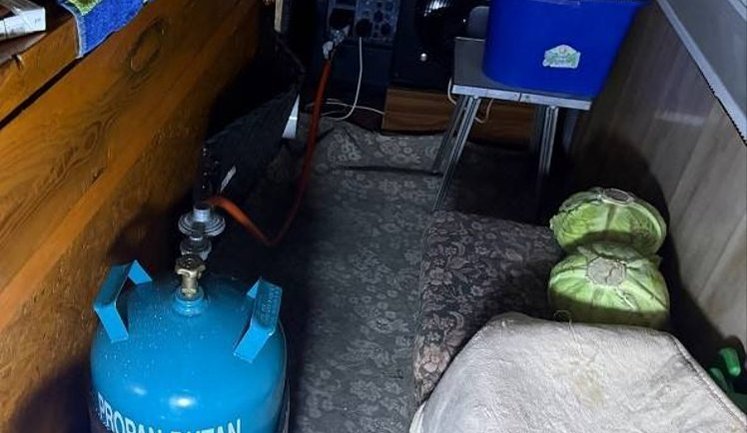
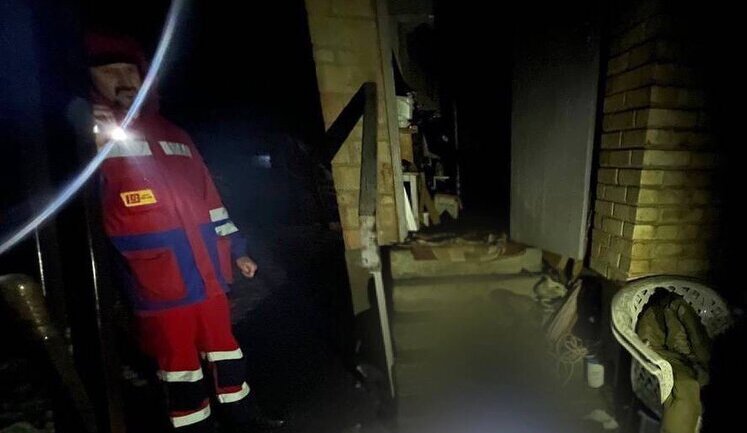
Carbon monoxide poses a significant threat in Ukrainian homes, primarily due to improper use of fuel-powered equipment like generators and gas stoves. Incidents near Kyiv, where families suffered fatal carbon monoxide poisoning, underscore this danger. Carbon monoxide is a colorless, odorless gas that can be life-threatening, reinforcing the need for proper ventilation and awareness of safe equipment use to prevent exposure.
What is being done to address chemical poisoning risks in Ukraine?
To address chemical poisoning risks, Ukrainian authorities are enhancing surveillance and regulatory measures. This includes investigating reported incidents, such as the alleged poisoning by FSB agents, and reinforcing industry safety standards. Public awareness campaigns and safety audits are crucial in educating the public and preventing hazardous chemical exposure in residential and commercial settings.