In recent events, significant activities surrounding monuments have been reported. A new monument dedicated to the "Baba Yaga" drone, famous during the Russian-Ukrainian war, was unveiled in Vyshneve, symbolizing defiance. Concurrently, damage to the "Motherland Monument" museums and the public discourse surrounding Soviet-era monuments persist. In Kyiv, the first part of the Ukraine’s Defenders Alley was completed with the reveal of the "INFANTRY" memorial. Meanwhile, regions like Melitopol and Odesa grapple with controversial decisions about erecting new monuments and dismantling old ones respectively. These stories reflect the deep historical and political significance of monuments in Ukraine today.
What is the significance of the "Baba Yaga" drone monument in Vyshneve?
The "Baba Yaga" drone monument in Vyshneve commemorates a drone that became a symbol of horror against Russian forces during the conflict. Its unveiling highlights Ukraine's ingenuity and resilience in warfare, serving as a reminder of the ongoing struggle for independence and as a tribute to those who have given their all for the country's sovereignty.
How was the facade of the museum at the "Motherland Monument" damaged?
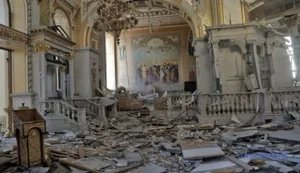
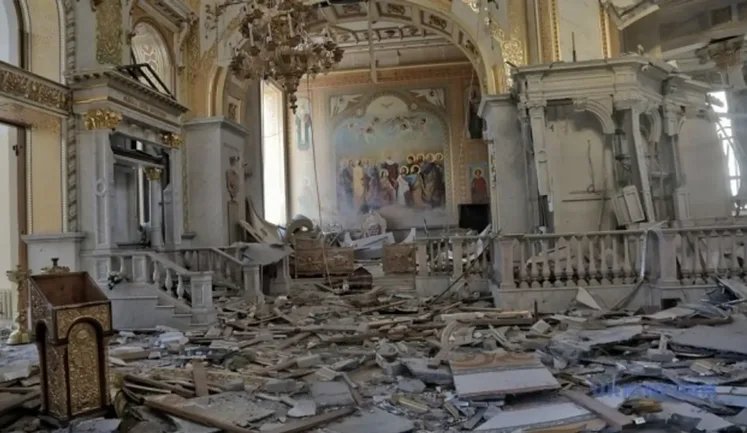
The facade of the museum located at the foot of the "Motherland Monument" was damaged by a blast wave during a significant Russian military attack. This incident underscores the ongoing impacts of the conflict on cultural and historical sites in Ukraine, illustrating the vulnerability of heritage sites to wartime activities.
Why was the "INFANTRY" memorial unveiled in Kyiv significant?
The unveiling of the "INFANTRY" memorial in Kyiv is significant as it marks the first component of the planned Alley of Ukraine’s Defenders, an initiative that honors the bravery and sacrifice of Ukrainian forces. The memorial's launch represents a broader effort to celebrate national heroes and solidify their legacy during and after conflicts.
What are the controversies surrounding monuments in occupied Melitopol?
The controversy in Melitopol revolves around the Russian occupation administration's decision to erect monuments to propagandists who justify Russia’s actions. This move has been widely criticized as it highlights ongoing cultural tensions and serves as a propagandistic tool to legitimize occupation, further inflaming regional tensions.
Why is the demolition of Soviet monuments in Ukraine a contentious issue?
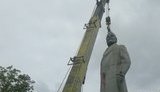
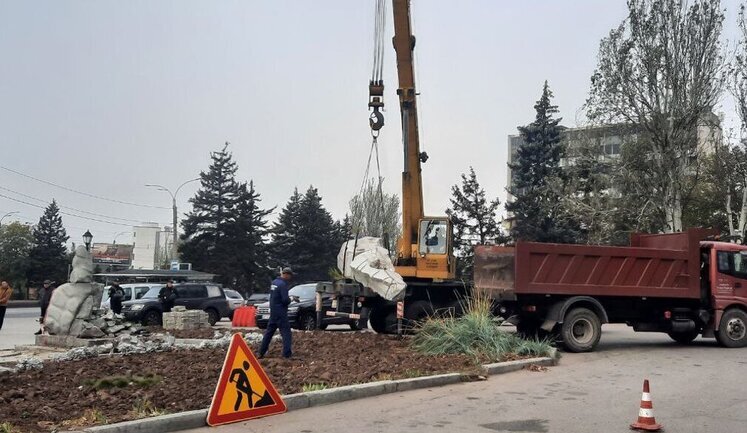
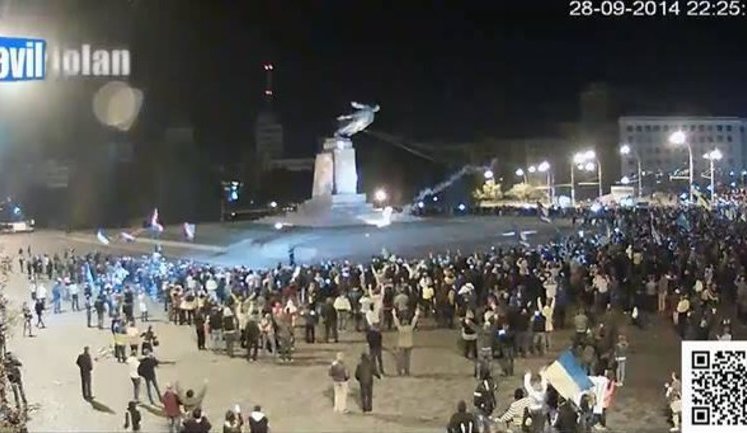
Demolishing Soviet monuments in Ukraine has sparked contention due to their historical and cultural implications. Many view these monuments as symbols of past oppression and are eager to remove them to advance national identity and sovereignty. However, others see them as part of Ukraine's complex historical fabric, warranting protection or preservation.
What was the outcome of the protest in Odesa against the Catherine II monument?
The protest against the Catherine II monument in Odesa was a public expression against its presence. Residents viewed it as a symbol that aligns with current-day Russian policies under Putin. The event reflects tensions surrounding historical narratives and calls for actions that align memorials with contemporary values and patriotism.