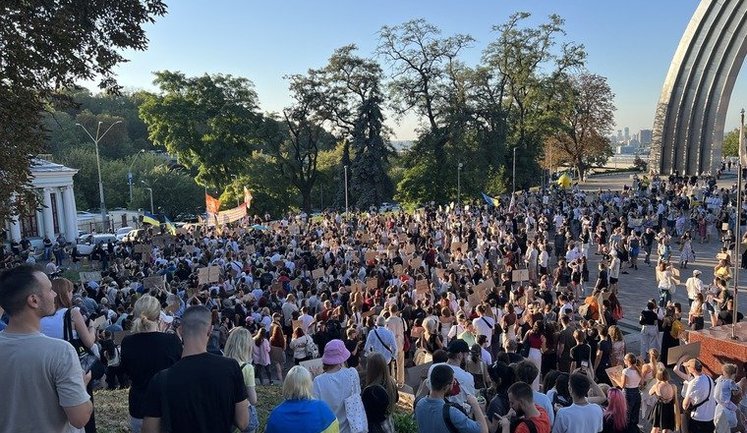
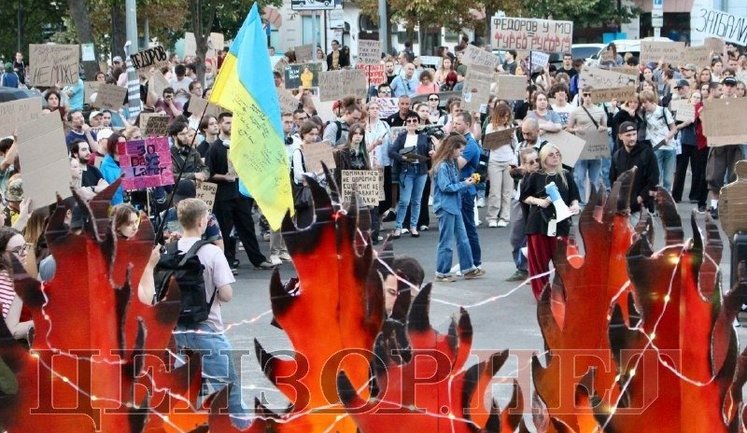
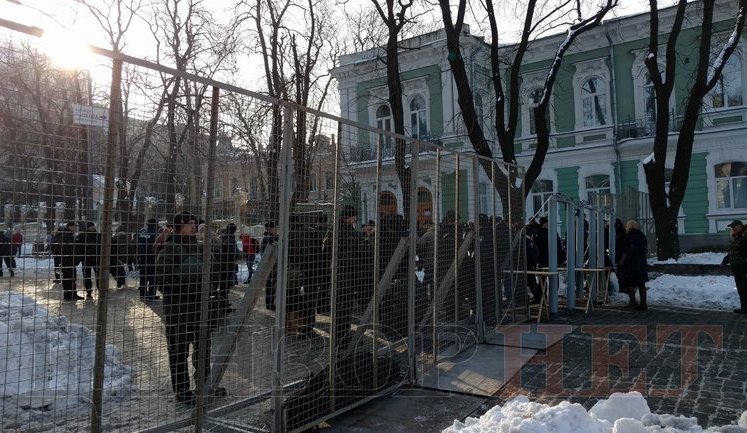
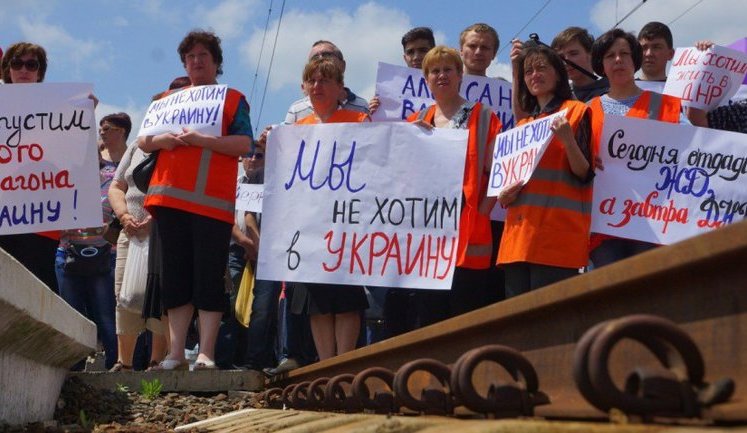
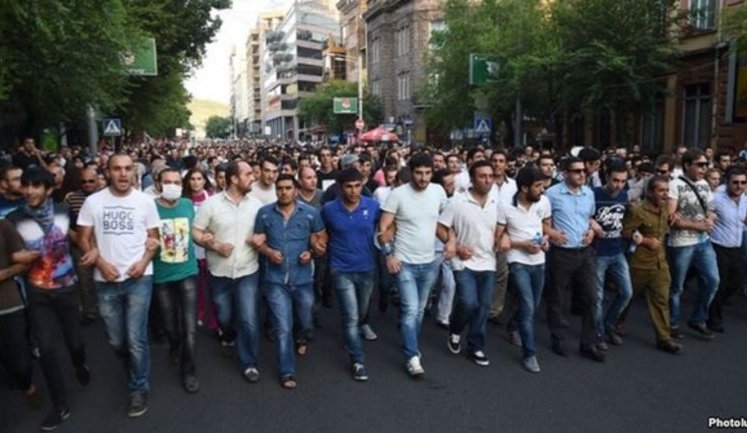
Amidst Ukraine’s ongoing political turmoil, waves of protests have unfolded across major cities. Thousands are calling for Mykhailo Fedorov's reinstatement as defence minister. Critics argue that systemic corruption in governmental structures hinders effective governance and military reform, crucial for Ukraine's stability, especially during the war. Demonstrators, echoed by veterans and public figures, demand transparent dialogue and accountability from authorities. The protests have transcended individual grievances, symbolizing a deep-rooted demand for substantial changes in leadership and policy. These events highlight the crucial need for reformative actions in the defense sector and broader governance strategies.
What are the main reasons behind the protests in Ukraine?
The protests are primarily fueled by public discontent over systemic corruption in government and the removal of Mykhailo Fedorov from his role as defense minister. Protesters demand comprehensive reforms in the defense sector, aiming to establish transparency and efficiency, while also voicing broader concerns over democratic governance and accountability in the political system.
What role does Mykhailo Fedorov play in the ongoing Ukrainian protests?
Mykhailo Fedorov, the former defence minister, has become a central figure in the protests due to his dismissal, which many see as unjust. His removal catalyzed public demonstrations demanding his reinstatement, along with calls for anti-corruption measures and reforms within Ukraine's defense and governmental sectors.
How have the Ukrainian authorities responded to the protests?
The Ukrainian authorities have struggled to address the root causes of the protests, with some ongoing efforts at dialogue. However, much of the governmental response has been criticized for lacking transparency and failing to engage meaningfully with demonstrators’ demands, particularly in matters of corruption and leadership reforms.
How are international communities viewing the protests in Ukraine?
International communities watch the protests closely, recognizing them as a critical test for Ukraine's commitment to democratic values and reform agendas. There's significant global interest in how the Ukrainian government navigates the complex political landscape while addressing corruption and enhancing public sector accountability.
What impact do protests have on Ukraine's defense sector?
The protests underscore the urgent need for reform in Ukraine's defense sector. They highlight underlying issues like corruption and lack of transparency, pressing the government to reform military administration and strategies to ensure effective operation and governance, especially during the ongoing conflict.
Are the protests limited to Kyiv, or are they taking place elsewhere?
While Kyiv is a focal point, protests have spread beyond the capital to multiple cities, including Lviv, Dnipro, and others. This widespread participation indicates a national concern over governance issues, with citizens across Ukraine rallying for changes in political and defense leadership structures.
Who are some of the key figures supporting the protests?
Veterans, public figures, and local leaders like Dmytro Koziatynskyi and Alina Mykhailova are notable supporters of the protests. They amplify the call for reforms, appealing for political accountability and systemic changes that align with the public's demand for integrity and transparency in leadership.