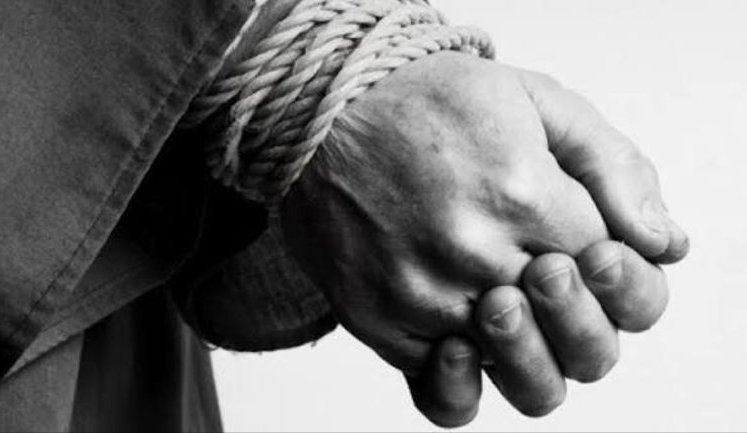
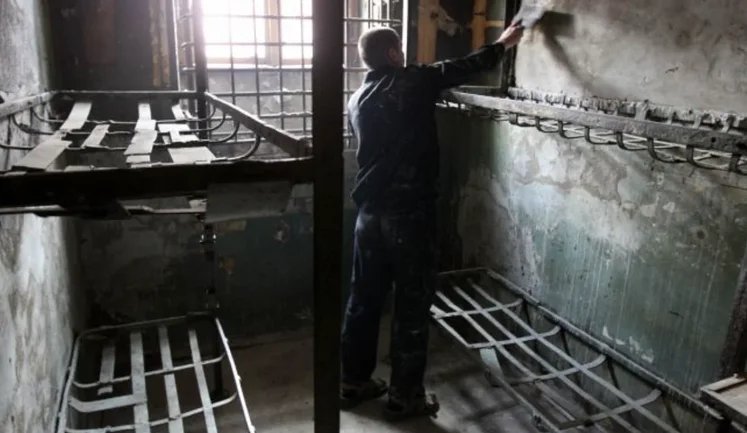
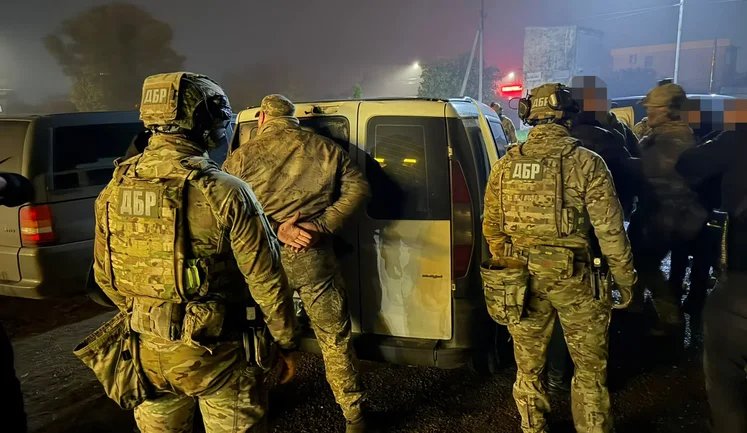
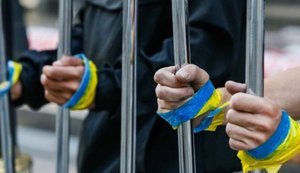
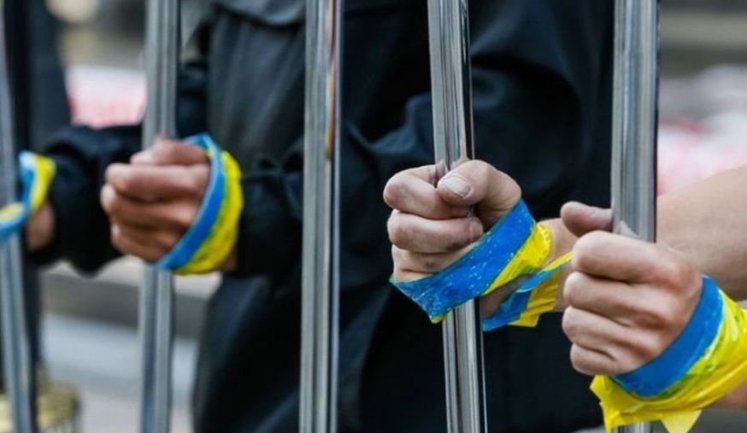
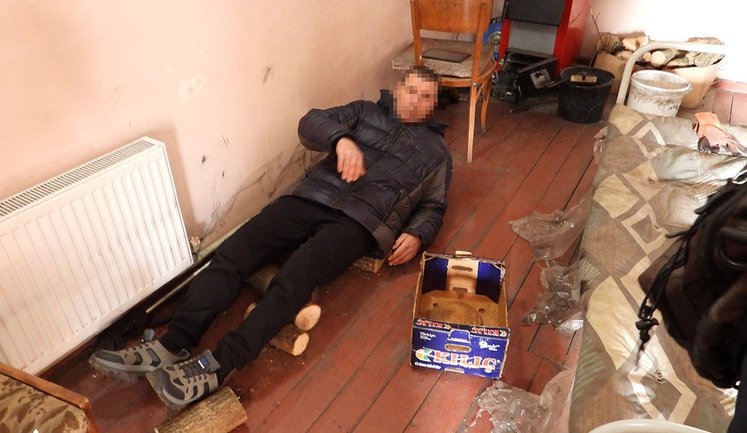
The systematic torture and abuse of Ukrainian prisoners in Russian captivity serves as a stark reminder of ongoing war crimes. According to a UN report, at least 438 Ukrainians have died under these conditions. This report outlines multiple forms of torture, including beatings, sexual violence, and electric shocks, that prisoners of war and civilians have endured. Disturbingly, medics have been involved in these acts, and evidence of torture has been systematically concealed. Russia's withdrawal from the European Convention for the Prevention of Torture further complicates accountability efforts. Activists continue to demand international pressure and justice for the victims of these egregious violations.
What are the main forms of torture reported in the UN findings?
The UN report highlights severe methods of torture, namely beatings, electric shocks, and sexual violence, all inflicted upon Ukrainian prisoners of war and civilians. These abuses are described as systematic, with involvement from medical personnel, further highlighting the deeply ingrained nature of these acts within detention protocols.
How many Ukrainians have died in Russian captivity according to the report?
According to the UN report, at least 438 Ukrainian citizens have perished while held in Russian captivity. This tragic number underscores the severe conditions and mistreatment faced by detainees, raising alarm over human rights abuses and war crimes perpetrated against captives, which require urgent international redress and action.
How has Russia's legal stance on torture changed recently?
Russia has formally withdrawn from the European Convention for the Prevention of Torture as of 2025. This decision is a setback for human rights oversight and accountability, as it removes a legal framework meant to prevent torture and uphold human rights within its borders, complicating international efforts to address such abuses.
What role do medical personnel play in the torture of Ukrainian prisoners?
The UN report indicates that medical personnel have been complicit in the abuse, participating in or facilitating acts of torture against Ukrainian prisoners. Their involvement is a grave violation of medical ethics and further exacerbates the suffering of detainees, violating their rights to proper care and humane treatment under detention.
What international actions are being taken against these human rights violations?
International bodies and human rights organizations are urged to increase pressure on Russia, demanding accountability and justice for the victims of these heinous acts. Sanctions and legal actions are considered against those implicated in torture and abuse, while documentation of these abuses aims to raise global awareness and foster swift international responses.