ENG




11732 visitors online
The increasing reports of torture linked to conflicts highlight severe human rights abuses. In Ukraine, multiple trials involve members of both Russian and local armed forces accused of torturing civilians and prisoners. Cases cover a range of torturous acts—from physical abuse and illegal detentions to inhumane conditions reported in occupied territories. International bodies, including the EU, have responded with sanctions and condemnations. Such violations have led to widespread international concern for accountability and justice. Addressing these abuses is pivotal in supporting Ukrainian sovereignty and protecting human rights.
What instances of torture are reported in Ukraine’s conflict areas?
In Ukraine, there have been multiple reports of torture, including physical abuse, unlawful detention, and the use of civilian hostages as human shields. These incidents involve various actors, including Russian military personnel and those associated with local forces.
Who is being held accountable for acts of torture in Ukraine?
Several individuals, including members of the Russian military and local forces in occupied areas, are facing trials for their alleged involvement in torture and other war crimes. International bodies continue to investigate and impose sanctions where applicable.
What legal actions are being taken against perpetuators of torture?
Legal actions include trials and sentencing of individuals involved in torture-related crimes. The Ukrainian judicial system and international bodies are actively pursuing justice through prosecutions and sanctions against those responsible.
How have international organizations responded to torture reports?
International organizations like Human Rights Watch and the European Union have condemned the reported acts of torture and imposed sanctions on individuals and entities involved. These organizations demand accountability and justice for victims, stressing the importance of upholding human rights globally.
What impact do torture allegations have on international relations?
Torture allegations significantly strain international relations, particularly between the involved states and global bodies advocating for human rights. Such reports contribute to diplomatic tensions and the imposition of international sanctions as means of enforcing accountability.
News torture
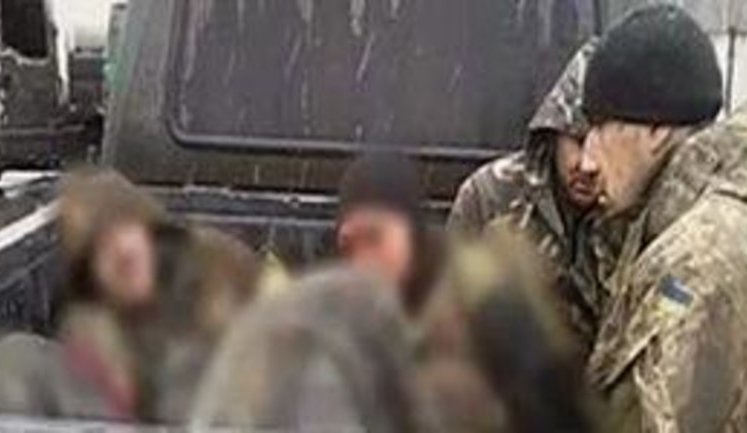
 Russians have set up network of 29 torture centres for civilians in temporarily occupied territories of Kharkiv region: people were moved between them and deported to Russia. PHOTO In the temporarily occupied territories of the Kharkiv region, the Russians have established a system of unlawful detention of civilians, comprising transit and main torture centres. Human rights activists have documented 29 such locations and identified around 800 people who have passed through... 916 4 Previously in trend: Civilian casualties in Ukraine Ukrainians in Russian captivity
 He beat them, subjected them to electric shocks and held them in cellar: occupier is to stand trial in Zaporizhzhia for abusing civilians An indictment has been filed against a member of the Russian Armed Forces who tortured and abused local residents during the occupation of the Berdiansk district in the Zaporizhzhia region. 1 021 10 Previously in trend: Torture during the occupation
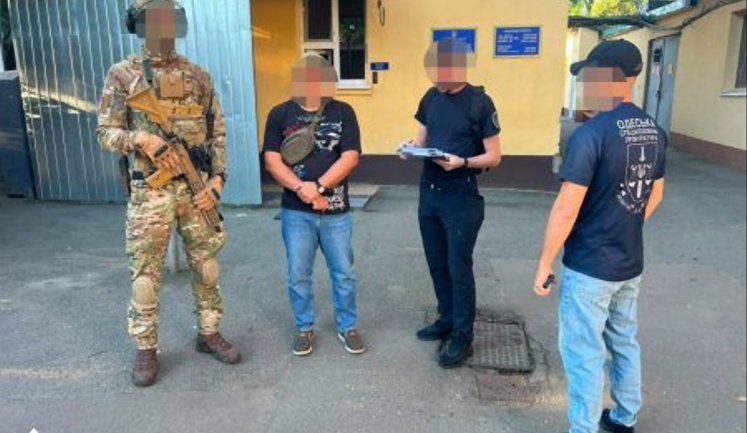
 In Odesa, TCR serviceman was sentenced to seven years’ imprisonment for kidnapping and torture In Odesa, a member of the TCR and SS was sentenced to seven years’ imprisonment for torturing and unlawfully abducting a man during mobilisation operations. 4 738 36 Previously in trend: Unlawful actions of the TCR Violation of human rights by TCR
 Tortured civilians and used them as "human shields": two Russian soldiers sentenced to 10 and 12 years. PHOTO Two Russian soldiers have been convicted of torturing civilians, using people as ‘human shields’ and shelling houses and civilian infrastructure during the occupation of Borodianka and Makariv in the Kyiv region. 1 168 6 Previously in trend: Torture during the occupation
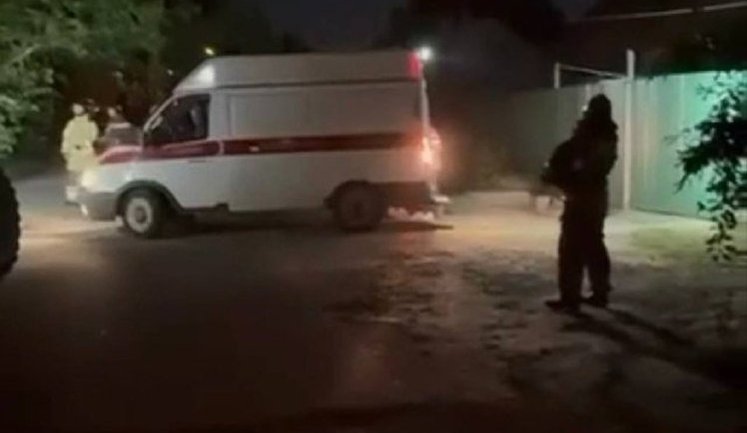
 In Donetsk, car of Neyelov, first deputy head of Olenivka prison, who was involved in torture of Ukrainian prisoners of war, was blown up, - sources. VIDEO On the night of 29 August, in the temporarily occupied city of Donetsk, a car belonging to Dmitry Neyolov, the first deputy head of the Olenivka prison colony, who was implicated in the torture, beating and humiliation of Ukrainian prisoners of war and civilians, was blown up. 14 611 20 Previously in trend: "Blowing up Russian war criminals
 At least 375 Ukrainians died in Russian captivity. They were subjected to torture – Lubinets The deaths of at least 375 Ukrainian citizens in Russian captivity have now been officially confirmed. Their bodies were returned home as part of "on the shield" exchanges. They were Ukrainian prisoners of war and civilian hostages. 1 194 8 Previously in trend: Detention conditions of POWs Torture of POWs in Russian prisons
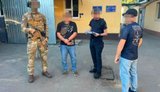 There are now 13 suspects in case concerning unlawful detention and beating of men at Odesa TCR, - State Bureau of Investigation. PHOTO The State Bureau of Investigations has identified a further four employees of the district TCR in the Odesa region who are suspected of involvement in the unlawful detention of and violence against citizens. The number of suspects in the case has risen to 13. 3 040 30 Previously in trend: Unlawful actions of the TCR
 "This evil must be defeated": civilian hostage Oleh Kotov has died after more than four years in Russian captivity Oleh Kotov, a former civilian hostage whom Russia illegally held captive for more than four years, died after returning to Ukraine. Following his release, doctors diagnosed him with cancer that had metastasized extensively. 5 015 5 Previously in trend: losses of Ukraine
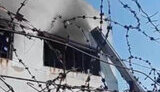 406 Ukrainians died in Russian captivity, hundreds of forms of torture used against captives – Prokopenko At least 406 Ukrainian military personnel and civilians have died in Russian captivity since the start of the full-scale invasion. At the same time, the Russian occupiers subject Ukrainian prisoners of war to 695 forms of torture. 1 531 7 Previously in trend: Torture of POWs in Russian prisons
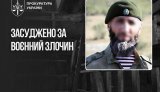 Tortured prisoner of war and civilians in Zaporizhzhia: Rosgvardiya commander sentenced in absentia to 10 years in prison. PHOTO Following a public prosecution by prosecutors from the Zaporizhzhia Regional Prosecutor’s Office, the court found the commander of a rosgvardiya unit guilty in absentia of cruel treatment of a Ukrainian prisoner of war and civilian residents (Article 438(1) of the Criminal Code of Ukraine). 1 598 10 Previously in trend: Torture during the occupation
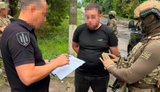 Beaten and locked in shed for "breaches of discipline": two soldiers from "Skelia" regiment have been notified of suspicion of torturing their comrades – SBI. PHOTO The State Bureau of Investigation (SBI) has notified two servicemen from the ‘Skelia’ regiment that they are under suspicion of mistreating their comrades. 6 970 69 Previously in trend: Beating of soldiers
 Police officer from occupied town of Hornostaivka has been sentenced to 13 years for torturing married couple Former Ukrainian law enforcement officer Volodymyr Plyukhin, who defected to the Russian side following the occupation of the Kherson region and became the ‘head of criminal investigations’ for the occupying police in Hornostaivka, has been sentenced to 13 years’ imprisonment for torturing... 1 588 8 Previously in trend: Torture during the occupation
 EU imposes sanctions against leadership of Mordovian colony where Ukrainian prisoners were tortured The European Union has imposed sanctions against the leadership of Penal Colony No. 10 in Mordovia, where Ukrainian prisoners of war and civilians are being unlawfully detained and tortured. Seven officials from the Russian prison system have been added to the sanctions list. 679 5 Previously in trend: Torture of POWs in Russian prisons
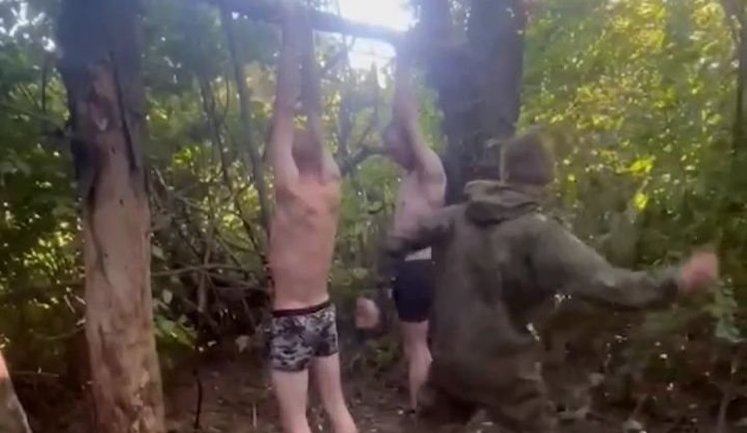
 Russian soldier is torturing his fellow soldiers who complained about fuel shortage: "Not enough fuel for you, you f#ckers!? You’ll have to fill up at your own expense!". VIDEO A video has been posted online showing yet another brutal act of violence within the ranks of the Russian army. The footage shows a Russian soldier torturing two of his fellow soldiers: he stripped them down to their underwear, hung them by their arms from a crossbar between two trees, and beat... 10 565 34 Previously in trend: Order in Russian army Fuel shortage in the Russian Federation
 Suspicions against Russian war criminals: with assistance of Defence Intelligence, two further torturers of Ukrainian prisoners of war have been identified. PHOTO With the assistance of the Defence Intelligence of the Ministry of Defence of Ukraine and under the procedural guidance of the Office of the Prosecutor General of Ukraine, operatives from the Criminal Investigation Department of the National Police of Ukraine and investigators from the Main... 2 188 2 Previously in trend: Torture of POWs in Russian prisons
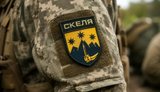 "From legal point of view, there are no drug-dependent people in Skelia": regiment on information about 2,000 ill fighters The information about two thousand drug-dependent servicemen in the 425th Separate Assault Regiment "Skelia" is untrue. Military rights commissioner Olha Reshetylova had earlier reported this. 6 470 42 Previously in trend: Death of the soldiers of the Skelia regiment
 Possible torture of servicemen in Skelia: Ombudsman’s Office monitoring group heads for inspection A monitoring group from the Ombudsman's Office will go to the site to verify information about possible torture of servicemen in the 425th Separate Assault Regiment Skelia. 2 366 21 Previously in trend: Beating of soldiers Death of the soldiers of the Skelia regiment
 Man locked in basement and tortured: leadership of district TCR in Mykolaiv region to stand trial – SBI. VIDEO+PHOTOS A pre-trial investigation into the torture of a man at one of the district TCR and SS offices in Mykolaiv region has been completed. The indictment has been sent to court. 4 550 49 Previously in trend: Unlawful actions of the TCR Trial of TCR servicemen
 In Kyiv, five men beat passer-by to death after tying him to tree, - police. PHOTO In Kyiv, law enforcement officers have detained five men suspected of murdering a 58-year-old local resident. 16 347 114 Previously in trend: Murder of man in Kyiv
 Tortured Ukrainian prisoners of war: prison guard from Luhansk region charged in absentia, - SSU Evidence has been gathered against an "operational officer at Correctional Colony No. 4 of the Federal Penitentiary Service of the LNR of the Russian Federation", who is implicated in the mass torture of Ukrainian prisoners of war. 722 9 Previously in trend: Torture during the occupation
 Mykola Bruiev, defender of Mariupol and member of Azov battalion, died in Russian captivity as result of torture Mykola Bruiev, a fighter with the Azov Brigade and a defender of Mariupol, known by the call sign ‘Brusha’, has died in Russian captivity. 6 190 27 Previously in trend: losses of Ukraine
 Chechen occupier has been charged with torturing resident of Zaporizhzhia and staging mock execution A Chechen occupier has been charged with violating the laws and customs of war for torturing a civilian in the Zaporizhzhia region. 967 7 Previously in trend: Torture during the occupation
 Roshchyna was broken occipital bone while in Russian captivity, - National Police While holding Ukrainian journalist Viktoria Roshchyna at Pretrial Detention Center No. 2 in Taganrog, Russian occupiers inflicted serious injuries on her, including a fractured occipital bone. 3 879 7 Previously in trend: Death of Victoria Roshchyna
 Tortured civilians near Kyiv: Bosnian mercenary, commander of Russian unit, notified of suspicion. PHOTO A Russian and Bosnian citizen – the commander of the ‘Wolves’ sabotage and reconnaissance unit of the ‘Redut’ private military company – has been charged in absentia with torturing civilians during the occupation of settlements in the Kyiv region. 2 751 20 Previously in trend: Torture during the occupation
 95% of Ukrainian prisoners in Russia undergo torture, - Verkhovna Rada Russia is currently holding approximately 7,000 Ukrainian prisoners of war, and more than 95% of them are subjected to torture and ill-treatment. 813 11 Previously in trend: Torture of POWs in Russian prisons
 Serbian mercenary Davor Savičić served notice of suspicion over war crimes in Ukraine The Security Service of Ukraine, jointly with the Defence Intelligence of the Ministry of Defence, has served a notice of suspicion on Bosnian mercenary Davor Savičić over war crimes committed during Russia’s full-scale war against Ukraine. 2 489 4 Previously in trend: War crimes of Russia
 Civilians were tortured and held in pit during occupation of Kyiv region – two Russian military personnel have been served with notices of suspicion, - National Police Law enforcement officials reported a war crime committed by the Russian Federation in the village of Bohdanivka: the occupiers tortured and illegally detained three civilians, one of whom died. 1 010 2 Previously in trend: Investigation of Russian war crimes
 Head of district TCR and three subordinates tortured men liable for military service in Ivano-Frankivsk region, SBI says. PHOTOS An investigation has been completed in the Ivano-Frankivsk region into the head of a district Territorial Centre of Recruitment and Social Support (TCR and SS) and three of his subordinates, who are suspected of torturing men liable for military service. The indictment has already been sent to... 11 663 169 Previously in trend: Unlawful actions of the TCR Violation of human rights by TCR
 Stepmother who beat child to death is to stand trial in Nikopol In the Dnipropetrovsk region, a pre-trial investigation has been completed into a case of child abuse that led to a tragedy. 2 117 4 Previously in trend: Child abuse
 They posed as military personnel, tortured man and demanded $360,000 ransom – criminal gang has been exposed in Odesa. PHOTOS In Odesa, law enforcement officers have uncovered a group of individuals who kidnapped a businessman, held him captive, and demanded hundreds of thousands of dollars. 5 958 47 Previously in trend: Extortion of funds Kidnapping and ransom demands
 Torture and shooting in Kharkiv: TCR servicemen notified of suspicion - SBI. VIDEO+PHOTOS A group of servicemen from one of the district Territorial Centers of Recruitment and Social Support (TRC and SS) in Kharkiv, as well as servicemen from other units who acted jointly, have been served with suspicion notices. 7 204 43 Previously in trend: Unlawful actions of the TCR Violation of human rights by TCR
 Murder and torture have become commonplace in Russian army – DIU intercept. AUDIO DIU has intercepted communications between Russian invaders, indicating that killings and torture have become commonplace within the 5th Brigade of the Russian Armed Forces. 3 545 8
 Torture chamber in foundry in Dymer, Kyiv region: FSB officer charged with torturing civilians. VIDEO+PHOTOS An officer of Russia’s Federal Security Service has been charged with involvement in the torture of civilians during the occupation of the Kyiv region. 4 059 8 Previously in trend: Torture during the occupation
 Russian paratrooper convicted of crimes in Bucha has been charged with new offence The Main Investigation Department of the National Police of Ukraine has announced new charges against a Russian soldier who has already been convicted of war crimes in Bucha. 2 718 3 Previously in trend: Bucha massacre War crimes of Russia
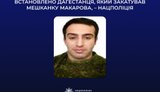 Tortured resident of Makariv during Russian occupation: Dagestan native has been identified and faces life imprisonment, - National Police. PHOTO Employees of the National Police and the Security Service of Ukraine have gathered evidence against another Russian war criminal for committing atrocities during the occupation of the Kyiv region in the spring of 2022. 6 616 21 Previously in trend: War crimes of Russia
 Russian commander beats and scolds half-naked subordinates tied to trees in winter forest: "Brave, f#ck off, walk of fame, f#ck!". VIDEO The invading army continues to practise medieval methods of punishment and humiliation of its own personnel. According to Censor.NET, a video filmed by a Russian commander in a winter forest has appeared online. 13 573 83 Previously in trend: Order in Russian army
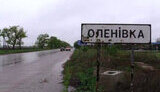 "Olenivka" barracks, designed for 200 people, housed 600, - National Police In the Olenivka colony in the Donetsk region, there were cases where Russian forces tortured prisoners to death. 1 257 6 Previously in trend: Terrorist attack in Olenivka
 Russian commander tortures his subordinates: "You are f#ggots, f#ck! You wanted to flee off from your positions and not carry out your orders, f#ck!". VIDEO Medieval methods of torture and extrajudicial executions continue to thrive in the army of the aggressor country. According to Censor.NET, a shocking video has appeared online showing a Russian officer mocking his own subordinates, accusing them of deserting their positions. 16 670 86 Previously in trend: Order in Russian army
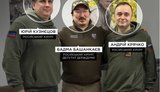 Media identified Russian surgeons who had burned "Glory to Russia" on body of Ukrainian prisoner. PHOTO The inscription "Glory to Russia" and the letter Z on the body of Ukrainian prisoner of war Andrii Pereverzev were made during an operation at the largest hospital in Donbas – the "Donetsk Clinical Territorial Medical Association" (DOKTMO). This inscription could have been left by Russian... 29 447 51 Previously in trend: War crimes of Russia
 Russian commander sentenced to 12 years for torturing civilians in Chernihiv region The Chernihiv District Court sentenced Russian Armed Forces serviceman Nikita Zheludkov, who in March 2022, while in the Chernihiv region, kidnapped and illegally detained two civilians in a basement. 1 888 15 Previously in trend: War crimes of Russia
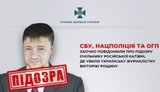 Notice of suspicion served on Perevozkin, head of Russian penal colony where Viktoriia Roshchyna and Yevhen Matvieiev died as result of torture – SSU The Security Service of Ukraine (SSU), jointly with the National Police and the Office of the Prosecutor General, have served a notice of suspicion in absentia on the head of a Russian pre-trial detention center where Ukrainian captives were tortured and killed, including journalist Viktoriia... 1 562 9 Previously in trend: Death of Victoria Roshchyna
 Torture, sexual violence, and beatings: Russians systematically commit crimes against Ukrainian prisoners - Human Rights Watch The international human rights organization Human Rights Watch has stated that Russian authorities and military personnel systematically use torture against Ukrainian prisoners of war. 2 914 12 Previously in trend: Torture of POWs in Russian prisons
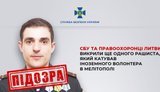 Security Service of Ukraine exposed Russian marine military police officer who tortured foreign volunteer in Melitopol The Security Service of Ukraine, together with Lithuanian law enforcement agencies, has identified another Russian soldier who tortured a Lithuanian volunteer in occupied Melitopol — Senior Inspector of the Military Police of the 177th Marine Regiment of the Russian Federation Rabadan Abdulganiev. 1 343 4 Previously in trend: Torture during the occupation
 Torture and rape of civilian in temporarily occupied territory: two representatives of occupation administration and Russian officer have been notified of suspicion. PHOTO Two accomplices of the occupiers and a Russian officer have been notified of suspicion of ill-treatment of civilians in the temporarily occupied territory of the Zaporizhzhia region. 2 486 4 Previously in trend: War crimes of Russia
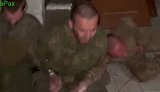 Russian commander tortures three of his subordinates with electricity: "Why f#ck did you f#ck off to deep rear?!". VIDEO A video recording of three occupiers being tortured by their accomplices was published online. 14 889 49 Previously in trend: Order in Russian army
 Tortured with soldering iron and demanded half million dollars in ransom: gang detained in Kryvyi Rih. PHOTOS In Kryvyi Rih, law enforcement officers detained three members of a criminal group who kidnapped an entrepreneur, tortured him with a soldering iron and demanded $500,000. 7 795 25 Previously in trend: Kidnapping and ransom demands
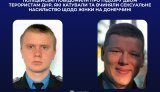 Suspicion notices served to 2 terrorists who tortured and sexually assaulted woman in Donetsk region Prosecutors from the Office of the Prosecutor General have notified two members of the terrorist organization "Donetsk People's Republic" that they are suspected of committing criminal offenses, namely: cruel treatment of civilians, committed by a group of persons acting in concert, and other... 2 039 3
 Occupiers broke arms and legs of their accomplice who tried to escape from front: "We caught f#ggot! He almost made it to Mariupol, f#cking bastard". AUDIO The Russians broke the arms and legs of their accomplice, who tried to avoid the meat assaults and escape from the front. 5 774 17 Previously in trend: Order in Russian army
Page 1 of 5
more news