


Over 6,000 complaints against TCRs, torture, and corruption: Lubinets names four most problematic regions
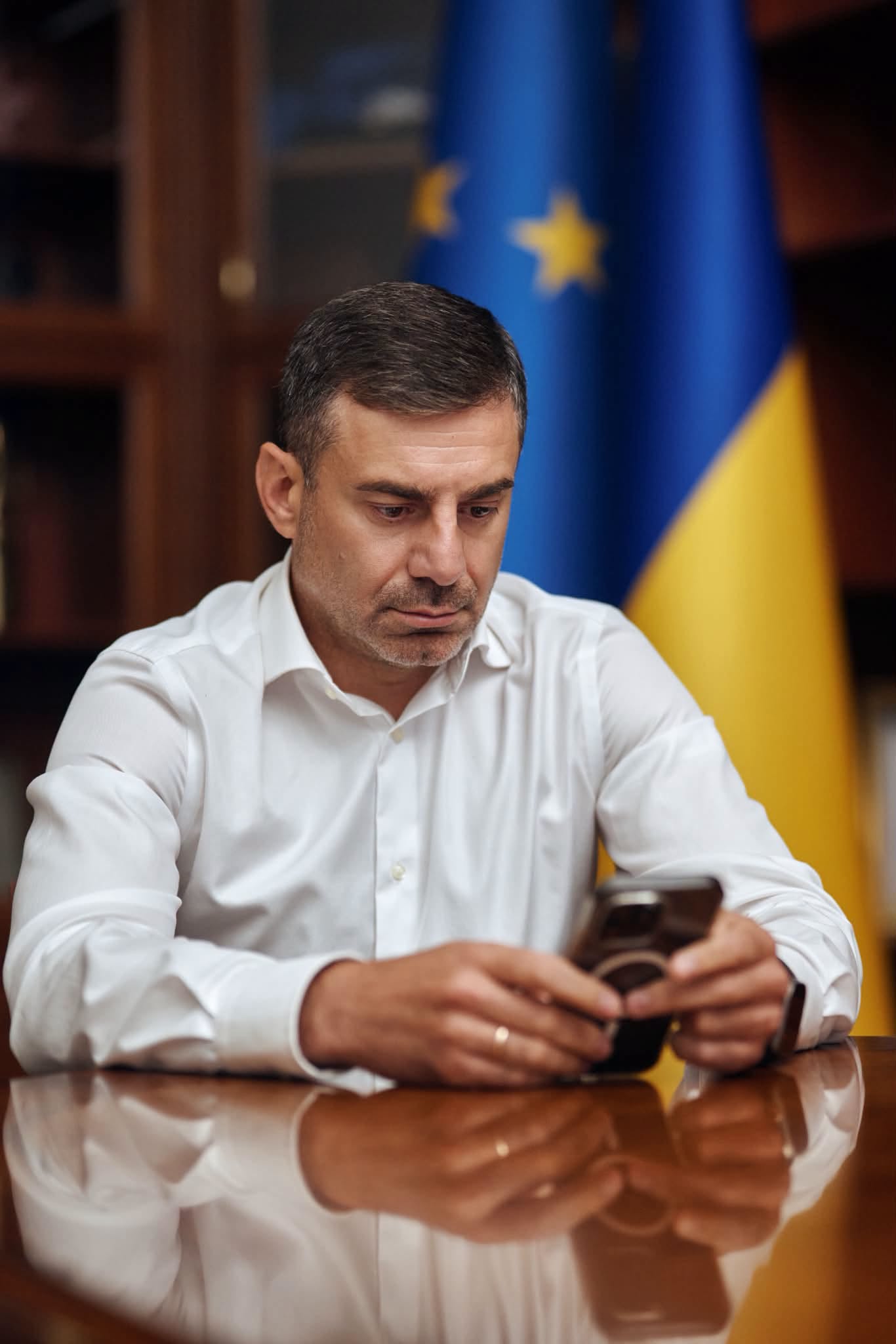
In just under ten months of 2026, the Verkhovna Rada’s Human Rights Commissioner Dmytro Lubinets received more than 6,000 complaints regarding the operations of regional recruitment and social support centers. This is more than in all of 2025. The Ombudsman has declared a systemic crisis in the area of mobilization, specifically citing corruption, unlawful detentions, and the conscription of individuals eligible for deferment.
This was reported by Censor.NET, citing an interview with Dmytro Lubinets.
According to the ombudsman, he began reporting violations during mobilization to the relevant authorities as early as 2023. At that time, he sent official letters and held closed-door meetings with representatives of the Ministry of Defense, the General Staff, and the Army Command, but these efforts yielded no results.
"This is no longer just a problem; it is a systemic crisis and a violation of the rights of Ukrainian citizens with regard to mobilization," Lubinets emphasized.
$15,000 for being released from the van and $20,000 for the Medical Examination Commission's decision
The ombudsman stated that corruption has permeated various stages of mobilization. According to him, people are openly discussing the possibility of paying to avoid being detained or to obtain the desired decision from the military medical commission.
"For $15,000, you can get out of the van, and for $20,000, you can get the Medical Examination Commission to approve any diagnosis," Lubinets said, describing widespread corrupt practices.
At the same time, in this part of the interview, he did not cite any specific criminal cases that would confirm exactly these amounts of bribes.
According to information from the Ombudsman’s Office, law enforcement agencies conducted hundreds of searches in various regions of Ukraine in 2026. In particular, they uncovered cases of fictitious mobilization, in which people were registered as having been drafted only on paper.
In addition, according to Lubinets, there were cases of the unlawful exemption from military service of citizens deemed fit for service and the mobilization of individuals who had valid deferments.
Nine convicted TCR employees in the Odesa region and four in custody in Zakarpattia
Lubinec reported that in 2026, law enforcement agencies began to respond more actively to the information provided by his Office.
According to him, nine employees of the TCR were convicted in Odesa, one of them for torture.
In Transcarpathia, criminal cases have been opened based on information from the Ombudsman’s Office, and four employees of the TCC are being held in a pretrial detention center.
Separately, Lubinets spoke about the former head of the regional TCR in Zakarpattia, who is suspected of corruption.
According to the ombudsman, during searches conducted by the SBU at his workplace, significant amounts of foreign currency were discovered. The official was dismissed, but two months later he returned to the same position as acting head.
"And for ten months, every 30 days, they keep extending this 'TVO' designation for her. For all ten months, I've been sending a bunch of requests, additional materials, and further details about what's happening in Zakarpattia. Not a single response," Lubinets said.
According to the ombudsman, the most problems consistently arise in four regions: Dnipropetrovsk, Odesa, Lviv, and Zakarpattia Oblasts.
Balaclavas, beatings, and the lack of video evidence
Lubinec cited the use of balaclavas by TCR personnel as another violation. He emphasized that concealing faces and removing identifying marks make it impossible to identify military personnel in cases of unlawful detentions or beatings of citizens.
The Ombudsman insists that all TCR employees must use properly functioning body cameras and that video surveillance be installed in the premises of the recruitment centers.
In his opinion, the absence of video footage during the conflict should be considered grounds for presuming that the TCR employee’s actions were unlawful. This is the ombudsman’s position, not a presumption established by law.
Lubinec also strongly condemned attacks by civilians on TCR servicemembers. He emphasized that National Police officers must respond to violations of the law on both sides.
In Transcarpathia, a mother sold her four children to secure a deferment
One specific case mentioned by the ombudsman involves the alleged trafficking of children for the purpose of illegally obtaining the status of a parent with multiple children.
According to Lubinets, four children from a large family were found this week in Zakarpattia; their mother had apparently given them to a stranger in exchange for money.
According to the ombudsman, he obtained the status of a father with many children and left the country. The children were left in Ukraine in unsuitable conditions.
Lubinec said he had contacted law enforcement authorities. He also suggested that representatives of local social welfare agencies may have been involved in the violations.
The ombudsman emphasized that he publicly reports only a small portion of the violations he has uncovered.
"I am publicly revealing 1% of the information we are gathering, which we are finding throughout the country," he said.
According to Lubinets, overcoming the crisis requires complete transparency in the mobilization process, video recording of the actions of TCR employees, the digitization of procedures, prompt investigations into corruption crimes, and the certainty of punishment.
He emphasized that mobilization must continue, but only in accordance with the law, while respecting the rights of those subject to military service and their obligations to the state.


