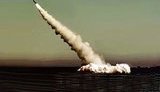
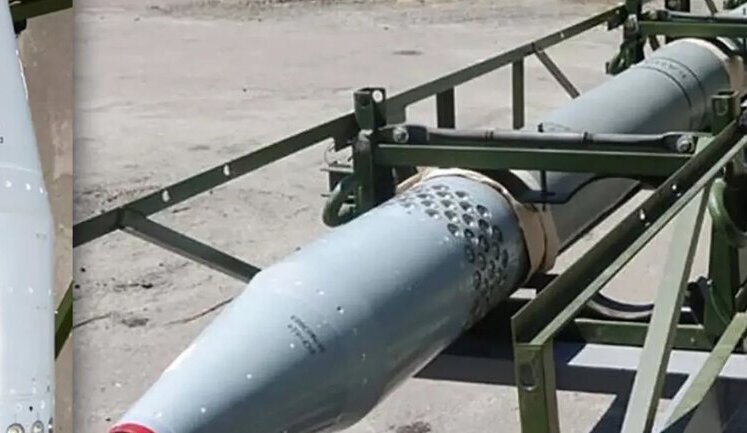
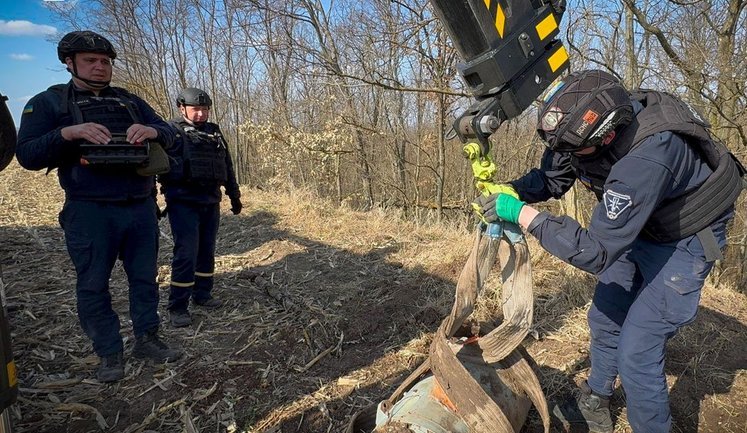
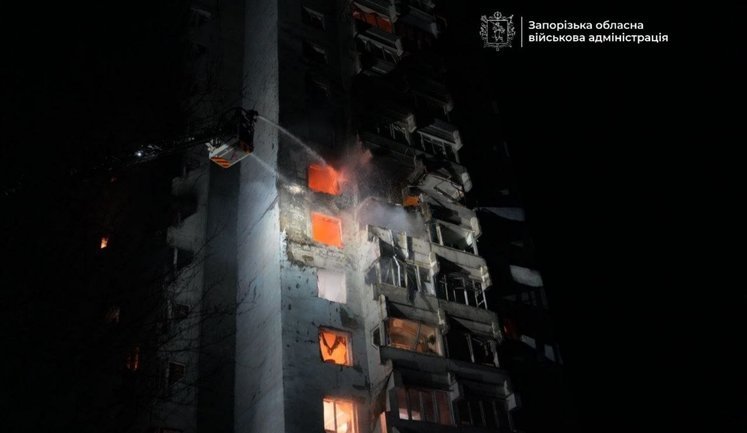
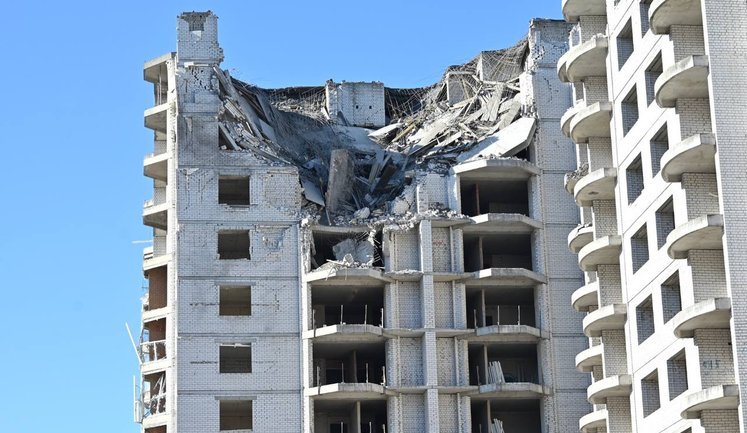
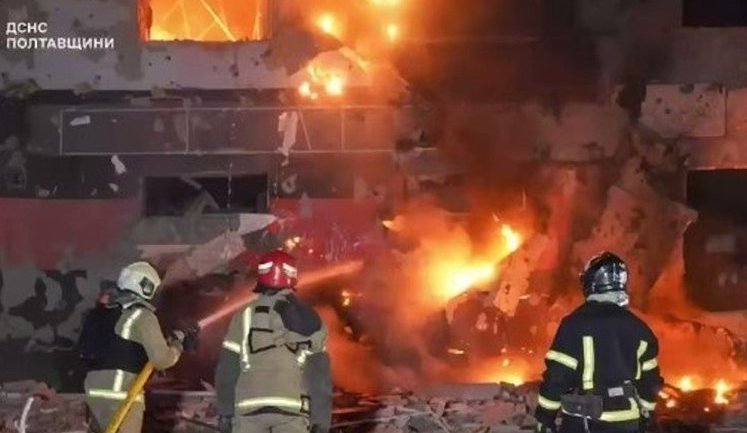
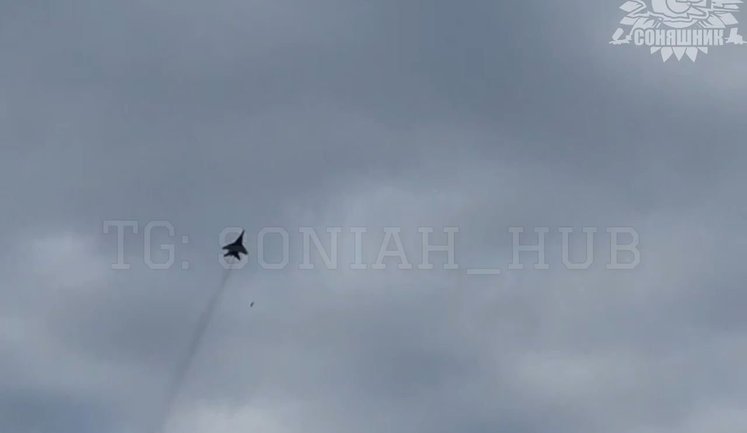
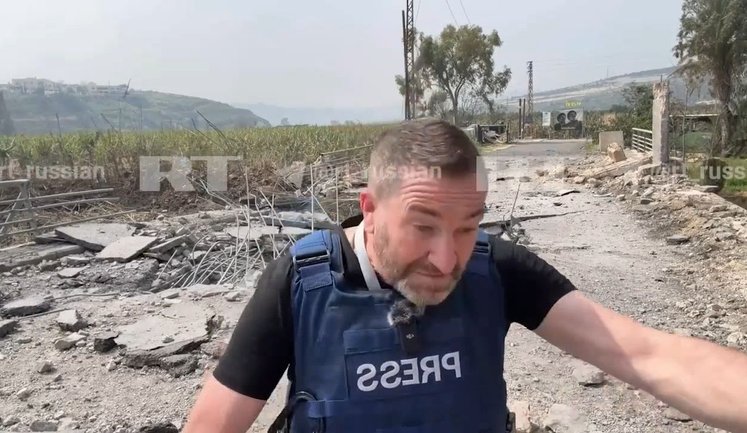
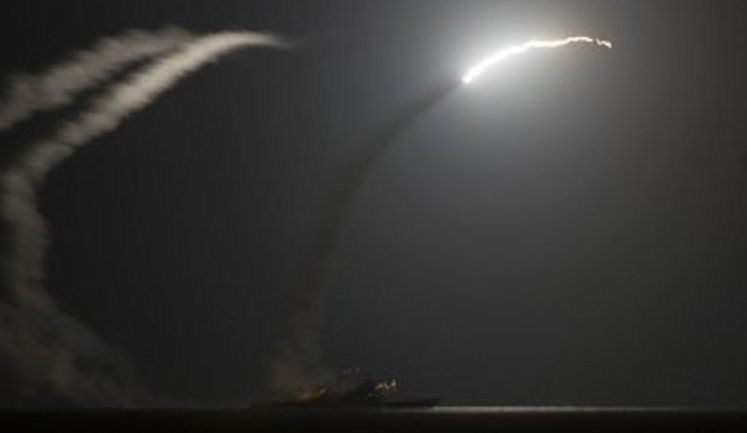
Recent reports highlight an alarming increase in rocket and missile-related incidents across various regions, emphasizing the ongoing threat to global security. In Ukraine, Russian forces have launched numerous guided missiles, including ballistic types, causing catastrophic damage, particularly in the Kyiv region and Kharkiv. Meanwhile, conflicts in the Middle East see Israeli missile strikes impacting regions like southern Lebanon, where they injured Russian journalists. Additionally, Iran showcased its military capabilities by revealing underground missile facilities, while its tactics often mimic those used against Ukraine. These events underscore the escalating missile threats worldwide, necessitating enhanced missile defense and international cooperation to address the challenges posed by such warfare.
What is the current situation regarding missile attacks in Ukraine?
Ukraine continues to face significant missile attacks predominantly from Russian forces. These assaults have resulted in extensive destruction of infrastructure and numerous casualties. The Ukrainian government, with international assistance, is continually striving to bolster its missile defense systems to mitigate the impact of these attacks.
How have recent missile strikes affected regions outside Ukraine?
Recent missile activities have extended beyond Ukraine, with regions like southern Lebanon experiencing missile impacts from Israel. Additionally, tensions in the Middle East are rising, with Iranian military capabilities being showcased through underground missile and naval equipment tunnels, indicating an expansion of missile threats beyond traditional conflict zones.
What role does international cooperation play in managing missile threats?
International cooperation is crucial in managing missile threats, as it involves technology sharing, defense alliances, and funding for missile defense systems. Countries like the US and its allies are pivotal in supporting Ukraine’s air defense, showcasing how global partnerships can effectively deter and defend against missile attacks.
How does missile production capacity affect global security dynamics?
Missile production capacity greatly influences global security dynamics by enabling nations to exert power and influence through military capabilities. Russia's increased missile production, aided by allies like China, underscores the strategic importance of missile technology in geopolitical conflicts and necessitates international monitoring and regulation.
What are the implications of missile strikes on civilian populations?
Missile strikes have dire implications for civilian populations, often resulting in loss of life, injury, and displacement. The destruction of critical infrastructure further exacerbates humanitarian crises, hindering access to essential services and increasing the burden on emergency response systems, ultimately destabilizing affected regions.
Are there any developments in missile defense technologies?
Recent advancements in missile defense technologies include improved interceptor missiles, enhanced radar systems, and the development of drone-based defense mechanisms. Such technologies are crucial for nations like Ukraine, which face constant missile threats and require robust systems to protect their airspace and civilian infrastructure.
What strategies are being employed to mitigate the threat of missile attacks?
Strategies to mitigate missile threats include boosting missile defense systems, engaging in diplomatic negotiations to reduce tensions, and forming international coalitions to share defense resources. Efforts also include sanctions and diplomatic pressure on nations that engage in or support aggressive missile activities, aiming to curb their capabilities and influence.