Romania is currently encountering a series of complex challenges on both economic and security fronts. The Moldova–Romania border has seen a surge in truck traffic, primarily driven by increased exports from Ukraine amidst changing trade routes due to ongoing conflicts. This situation is exacerbating logistical pressures and highlighting regional economic dependencies. Simultaneously, Romania's airspace has been frequently violated by Russian drones, raising significant security concerns both domestically and within NATO. High-profile incidents, including drone strikes causing casualties and property damage, emphasize the urgent need for enhanced defense measures. Cooperation between Romania, Ukraine, and other NATO allies is intensifying, focusing on bolstering defense capabilities and securing the Black Sea region. These developments underline Romania's pivotal role in wider geopolitical dynamics, as it navigates the dual challenges of border logistics and security threats.
Why are truck queues increasing at Moldova-Romania border?
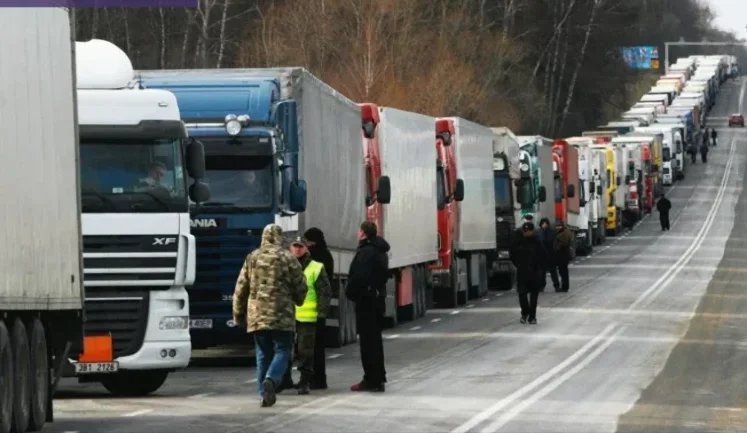
Truck queues at the Moldova-Romania border have risen due to a substantial increase in exports from Ukraine. The conflict in Ukraine has altered traditional trade routes, directing more freight through Moldova into Romania as a gateway to the European Union. This surge is compounded by seasonal grain exports, creating significant logistical challenges.
What are the security concerns regarding drone incursions in Romanian airspace?
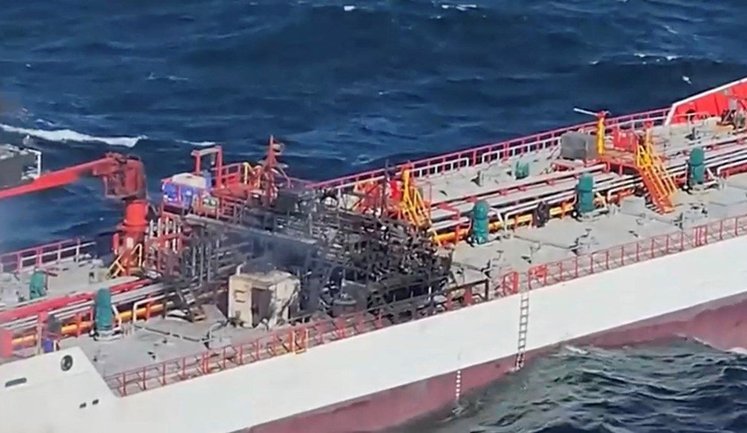
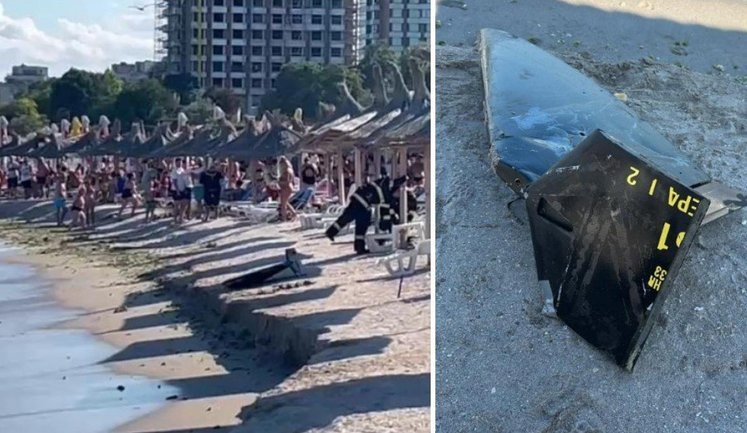
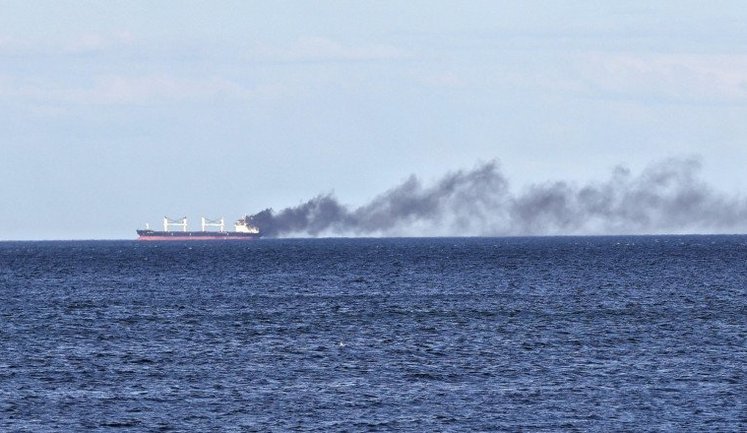
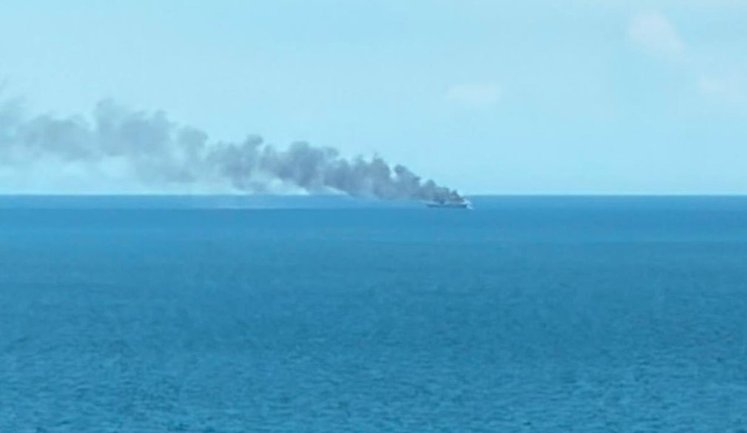
Drone incursions in Romanian airspace, primarily attributed to Russian UAVs, pose significant security threats. These drones have been involved in attacks on commercial vessels and, at times, have crashed in populated areas, causing property damage and casualties. These actions challenge Romania's security protocols and stability in the Black Sea region, prompting calls for enhanced NATO defense measures.
How is Romania responding to the increased security threats?
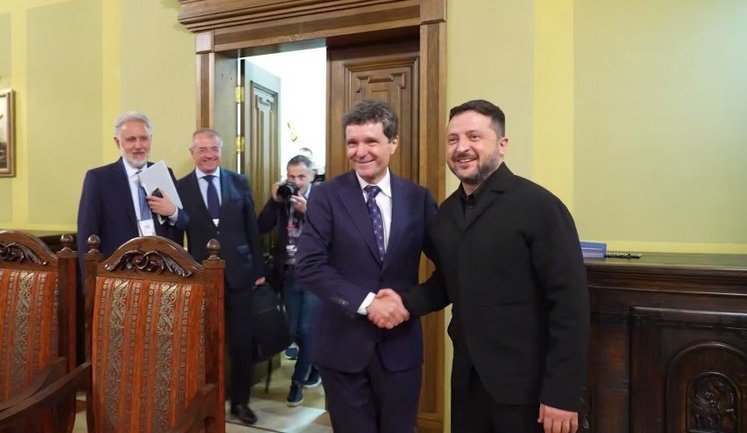
Romania is responding to increased security threats by strengthening its defense strategies and seeking NATO's support. The country is coordinating closely with Ukraine and other allies to bolster air defense systems and improve monitoring of its airspace. Recent incidents have prompted the deployment of fighter jets and air defense personnel to counter drone threats and reinforce national security.
How has the conflict in Ukraine affected Romania’s foreign trade?
The conflict in Ukraine has significantly impacted Romania's foreign trade by diverting traditional trade routes through its borders. Many Ukrainian exports now transit through Romania as a point of entry into the EU, leading to increased traffic at border crossings. This shift underscores Romania's strategic role in regional trade amidst geopolitical tensions.
What are the implications of Romania's situation for European security?
Romania's current situation has broader implications for European security, particularly concerning NATO's eastern flank. Frequent airspace violations by Russian drones highlight vulnerabilities that may affect the entire region. The incidents underscore the importance of regional cooperation and the need for NATO to adapt its defense posture to safeguard member states against evolving aerial threats.
What measures are being discussed to enhance Romania's air defense?
To enhance Romania's air defense, discussions involve deploying advanced defense systems and increasing coordination with NATO allies. Proposals include strengthening radar and surveillance capabilities, deploying more NATO troops and air defense assets, and increasing joint military exercises to ensure rapid response to any aerial threats.