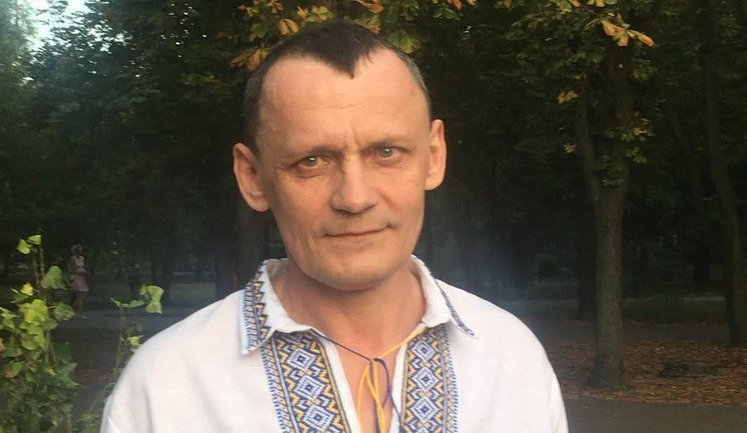
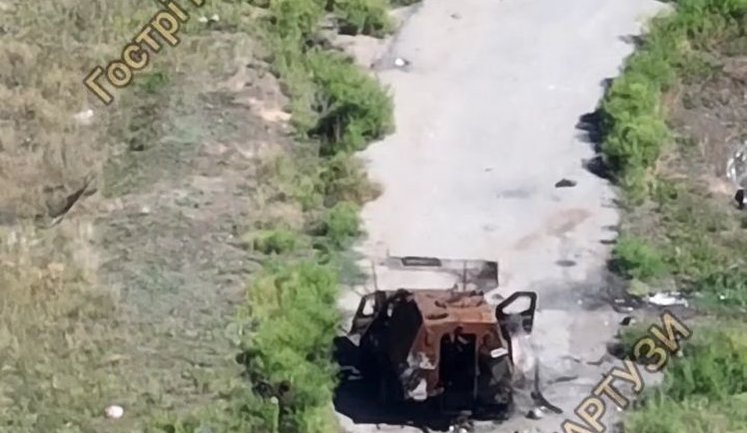
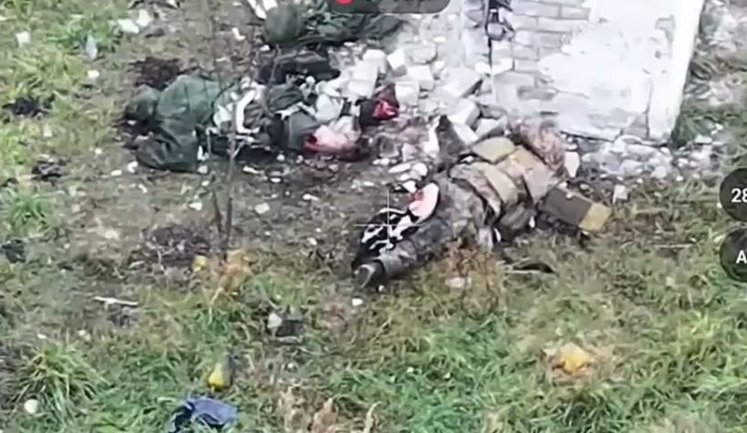
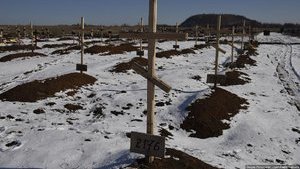
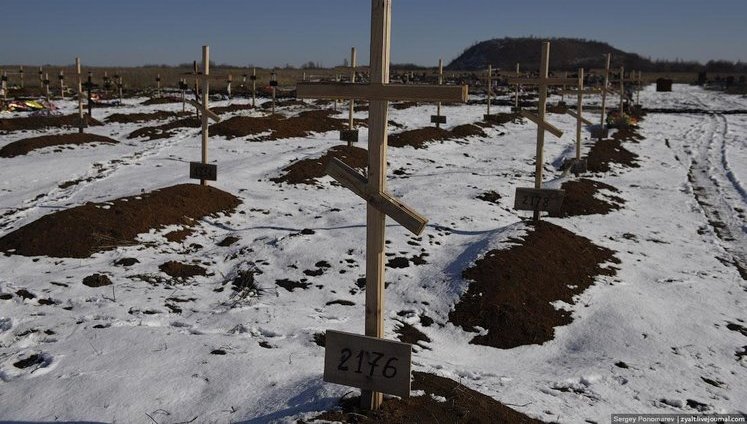
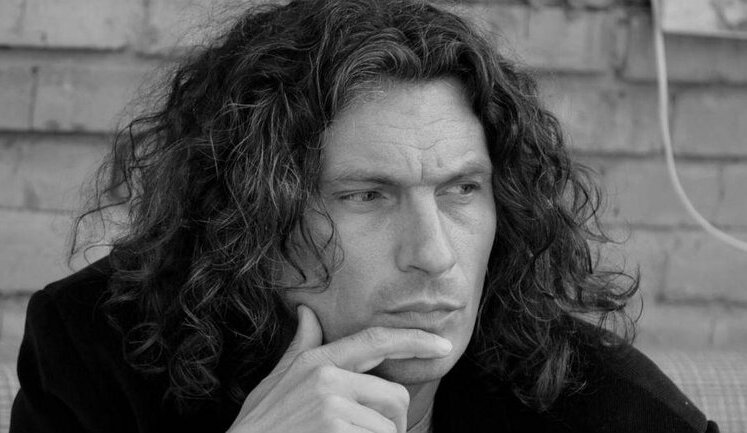
Reports from war-torn Ukraine reveal harsh realities with both civilian and military deaths making headlines. Among the victims is Oleh Kotov, who perished after years in Russian captivity upon being diagnosed with advanced cancer. Notably, high-profile deaths include Major General Plokhotnyuk and Daniil Peredriy in Moscow, both victims of explosions. In Kyiv, a man succumbed to injuries from a Russian military strike. Such incidents underscore the destructive impact of conflict and human rights abuses. Continued violence exacerbates an already dire humanitarian situation, affecting international perceptions and diplomacy.
What conditions did Oleh Kotov endure during his captivity?
Oleh Kotov was held illegally by Russia for over four years, where he likely faced severe hardships. Such extended captivities often involve psychological and physical challenges, and upon his release, he was diagnosed with significant health issues, including cancer.
How do restaurant bombs in Moscow relate to the conflict in Ukraine?
Incidents such as the restaurant blast in Moscow underline regional instability connected to the Russian-Ukrainian war. These events often involve political or military figures tied to the conflict, illustrating the far-reaching impacts of hostilities beyond direct military engagements.
What repercussions follow civilian deaths in Ukrainian cities?
Civilian deaths in Ukraine, such as those from missile strikes or landmines, have severe social and political repercussions. They contribute to international condemnation of aggressors, prompting calls for action and aid to address the humanitarian crisis and protect non-combatants.
What is the international response to the deaths of athletes and volunteers in Ukraine?
Internationally, the deaths of athletes and volunteers in Ukraine spark outrage and compassion. Such losses often lead to increased calls for international support, sanctions against perpetrators, and humanitarian aid to help afflicted communities and restore safety.
What impact do high-profile military deaths have on the conflict in Ukraine?
High-profile military deaths, like those of generals and commanders, can alter military strategies and morale. These losses may lead to shifts in command, reevaluation of tactics, and renewed commitments to military operations, impacting the strategic landscape of the conflict.
How do the deaths of volunteers affect frontline operations in Ukraine?
The loss of volunteers, such as those from international brigades, affects frontline operations by reducing manpower and impacting morale. It highlights the global solidarity with Ukraine and can inspire further international enlistments despite the personal risks involved.
How have deaths from non-combat incidents been addressed by Ukrainian authorities?
Non-combat deaths raise serious concerns about the safety and management within military units. Ukrainian authorities typically investigate these incidents to ensure accountability, uphold military discipline, and address any systemic problems to prevent future occurrences.
What role does international media play in highlighting Ukrainian casualties?
International media shine a light on Ukrainian casualties, providing a platform for voicing the tragedies and preserving memory. Media coverage raises global awareness, influences public opinion, and can pressure policymakers to take concrete actions addressing the crisis.
In what ways have military and civilian deaths in Ukraine influenced international diplomacy?
Military and civilian deaths in Ukraine have been pivotal in shaping international diplomacy. These events compel nations to reassess their positions, push for ceasefires, provide humanitarian aid, and support peacekeeping missions or sanctions against those perpetuating violence.