In the sphere of sport, Ukraine continues to witness both inspiring achievements and heartbreaking losses. The tragic death of former basketball player Klym Liiv, who was killed defending Ukraine, underscores the personal sacrifices made by athletes during this ongoing conflict. His contributions both on and off the court as a youth coach were recognized with a state award. Meanwhile, Yaroslava Mahuchikh's historic win as the first-ever World Athletics Ultimate Champion in high jump showcases the determination and talent prevalent among Ukrainian athletes. Controversially, the European Volleyball Confederation's decision to permit Russian teams to participate caused uproar, reflecting the broader geopolitical tensions spilling over into the sports community. Ukraine's success extends beyond borders as Ukrainian tennis squads and karate teams reach new heights on the global stage, proving that the spirit of resilience remains strong, despite dire circumstances.
How has the war in Ukraine impacted its sports community?
The ongoing war in Ukraine has deeply impacted its sports community. Tragic incidents, including the deaths of athletes like Klym Liiv and Mykola Litovchenko, highlight the sacrifices made by former champions now defending their country. Additionally, some athletes have pivoted to military roles, underscoring a significant shift in priorities as they contribute to national efforts. Meanwhile, Ukraine's success in international sports underscores resilience and unity amidst adversity.
What recent sports achievements has Ukraine celebrated?
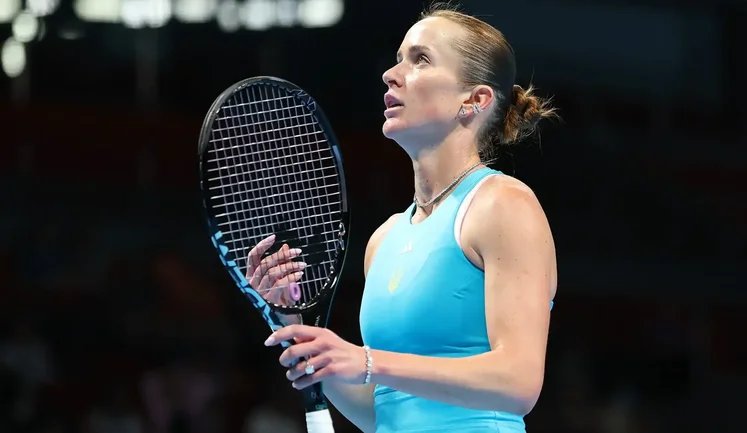
Ukraine has had remarkable success in recent sports events. Notably, Yaroslava Mahuchikh became the first-ever female high jump World Athletics Ultimate Champion. Additionally, the Ukrainian women's tennis team reached the finals of the Billie Jean King Cup for the first time. These achievements reflect the strength and determination of Ukrainian athletes to excel on the global stage, reinforcing a sense of national pride during challenging times.
Why is there controversy over Russian participation in international sports?
Controversies around Russian participation in international sports have intensified due to geopolitical tensions. The European Volleyball Confederation's allowance for Russian teams sparked debate, reflecting the division in the international sports community. Various organizations, like the International Olympic Committee, face criticism over perceived leniency towards Russia, especially amid ongoing conflicts. This situation prompts discussions about integrity and fairness within international competitions.
What challenges do Ukrainian sports programs face due to funding issues?
Ukrainian sports programs face significant challenges due to funding shortfalls. The 'Veterans’ Sport' program, which provided financial support to veteran athletes, has halted due to exhausted funds. This situation reveals the broader financial constraints affecting sports development in Ukraine, complicating efforts to sustain various athletic programs and initiatives, which are crucial for nurturing new talent and maintaining sports engagement across the nation.
How are international sports organizations reacting to geopolitical tensions?
International sports organizations face complex dilemmas regarding geopolitical tensions. Decisions like accepting or banning certain national teams are contentious, prompting varied reactions from member countries. For example, decisions by organizations like CEV and IOC to allow Russian participation despite political disputes have met with criticism and threats of funding withdrawal from the EU. Such decisions continue to spur debate over the balance between inclusivity and geopolitical sensitivity in sports.
What is the impact of political conflicts on global sports events?
Political conflicts significantly impact global sports events, as seen with the geopolitical rift influencing participation rules and athlete experiences. Compromises like allowing specific nations' teams or symbols often provoke criticism, affecting event integrity and spirit. Moreover, boycotts by countries against perceived unjust decisions showcase how political landscapes are intertwined with sports, complicating governance and international relations in this domain.