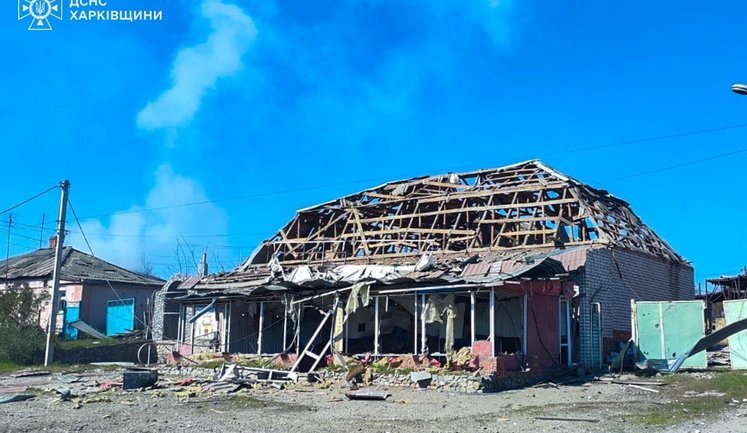
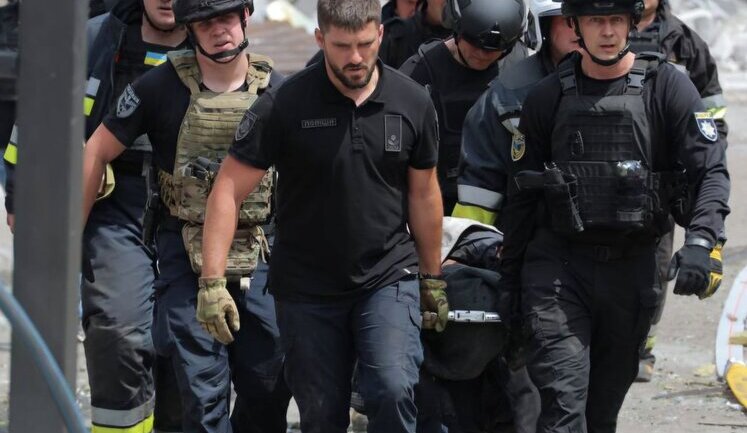
March 9 will solemnly mark a day of mourning in Kharkiv to honor those who perished in a recent rocket strike, reflecting the city's deep sorrow and the wider nation's resilience amid ongoing conflicts. This gesture is part of a broader acknowledgment of the ongoing tragedies affecting Ukraine, particularly in its war-torn regions. Days of mourning provide a poignant reminder of the human cost of the war and underscore Ukraine's commitment to remembering those lost. Such commemorations resonate through cities affected by conflict, emphasizing their solidarity and collective grief while facing relentless adversity.
Why is March 9 declared a day of mourning in Kharkiv?
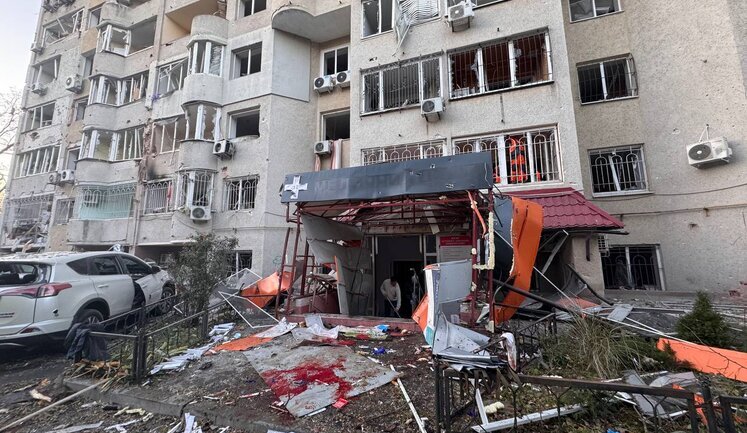
March 9 is declared a day of mourning in Kharkiv to honor the victims of a rocket strike on a high-rise building. This tragedy has deeply affected the local community, and the day of mourning serves as a formal expression of collective grief and a commemoration of those who lost their lives in the attack.
What events led to the declaration of mourning in Bohodukhiv?
The Bohodukhiv district declared three days of mourning—February 11, 12, and 13—following a deadly Russian strike. This solemn period reflects on the significant loss suffered by the community and allows for communal mourning and remembrance of those who passed away due to the conflict.
How has Odesa been affected by recent strikes?
Odesa has been deeply impacted by a Russian strike, prompting the declaration of January 28 as a day of mourning. This decision allows the community to collectively memorialize those lost and reflects the widespread grief caused by ongoing hostilities affecting the region and its people.
What significance does a day of mourning hold in Ukraine during the war?
Days of mourning in Ukraine serve as powerful symbols of national unity and remembrance. They not only honor the lives lost due to military aggression but also provide a space for communities to express their collective grief and resilience, highlighting the human impact of ongoing conflicts and reinforcing humanitarian solidarity.
How are mourning days observed in cities like Dnipro?
In Dnipro and similar cities, mourning days often include lowering flags to half-mast, public gatherings for tribute, and moments of silence. These observances pay homage to victims and help communities process grief, reinforcing Ukraine's commitment to honoring those affected by war.