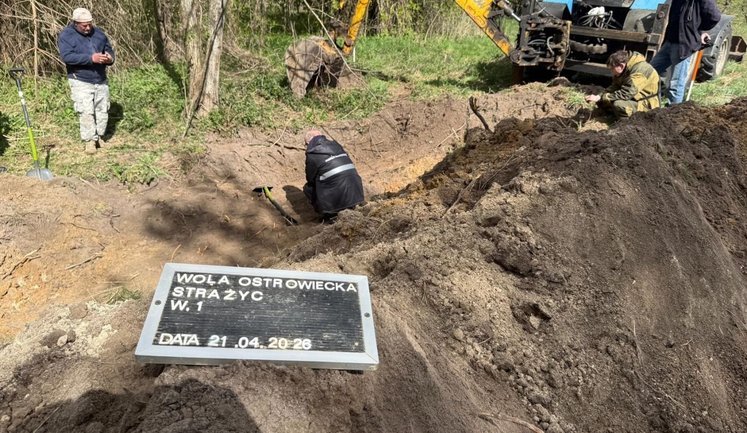
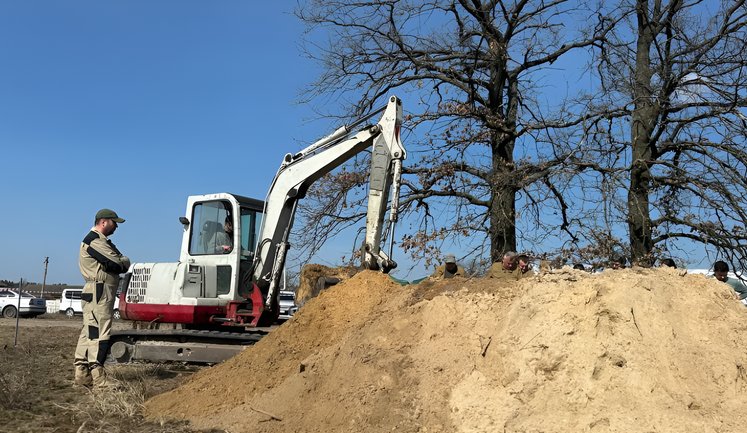
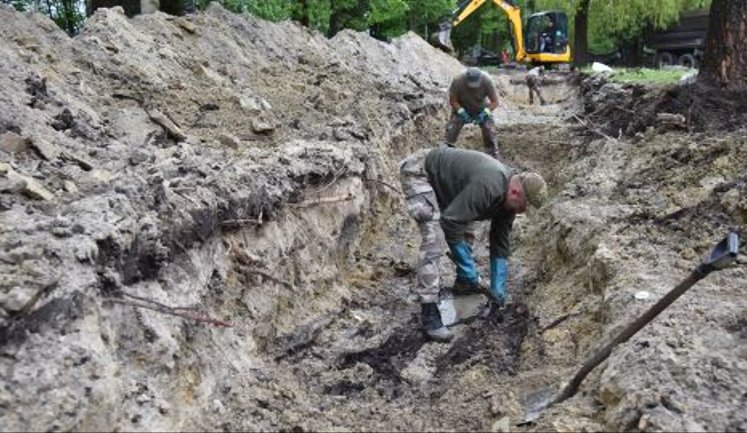
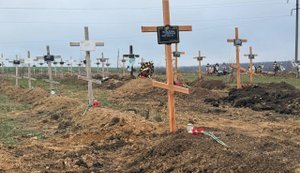
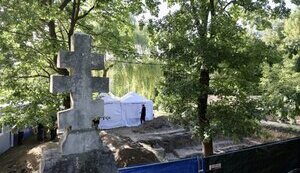
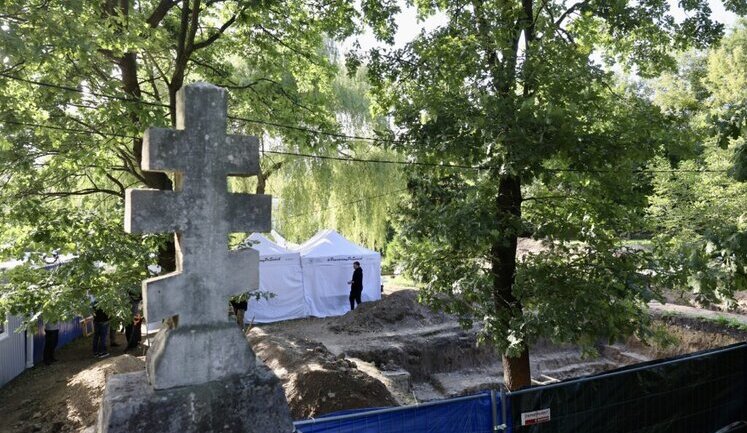
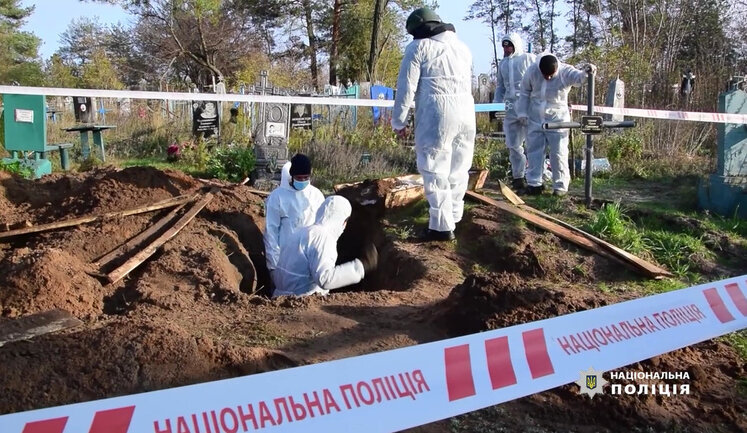
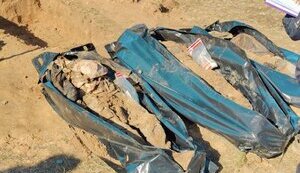
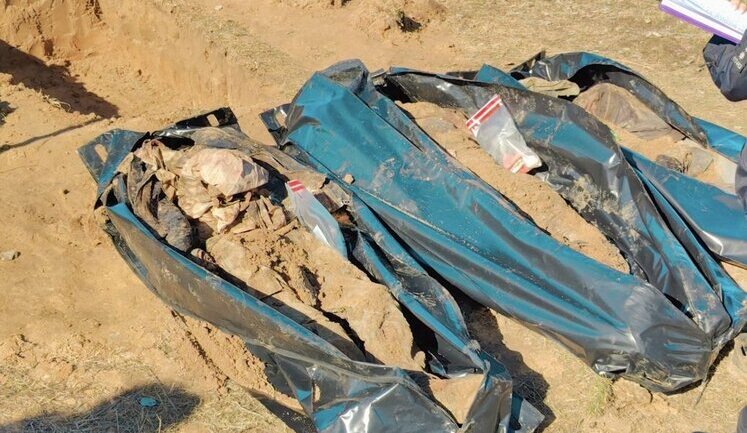
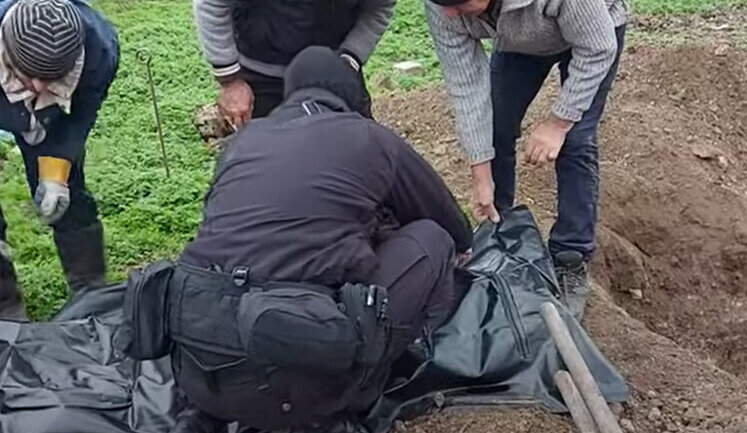
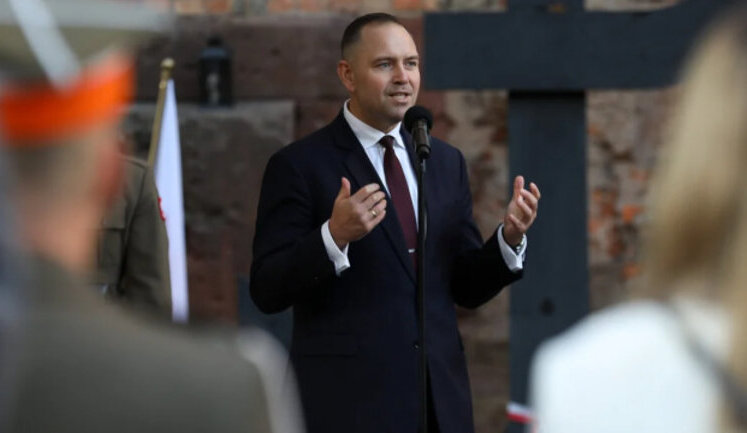
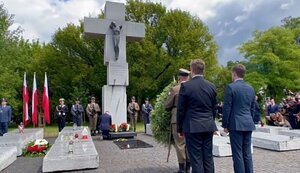
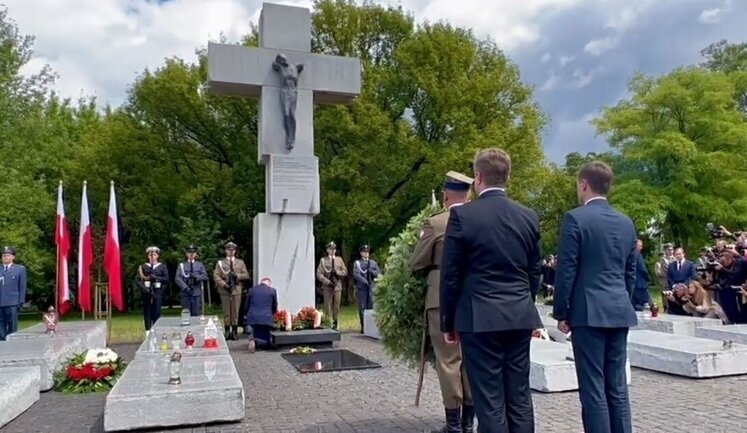
Exhumation efforts in Ukraine have been pivotal in addressing historical grievances and ongoing conflict impacts. Current operations in regions like Rivne and Lviv uncover WWII mass graves, revealing the enduring scars of past conflicts. The Ukrainian government's collaboration with Poland exemplifies a joint commitment to reconcile historical injustices, such as those related to the Volyn tragedy. Meanwhile, ongoing exhumations in areas affected by recent conflicts, including Izium and Kherson, painstakingly document and mourn the civilian toll of aggression. These meticulous efforts are crucial for documentation, accountability, and fostering reconciliation amidst complex geopolitical dynamics.
How is Ukraine addressing historical exhumation efforts?
Ukraine has been conducting exhumation operations to address historical mass graves from World War II, cooperating with Poland to uncover and identify victims, especially those from the Volyn tragedy. These efforts aim to foster reconciliation and acknowledge shared histories.
What are the recent findings in exhumation operations in Ukraine?
Recent exhumation operations in Ukraine have uncovered mass graves from both historical events like World War II and recent conflicts. Sites across Rivne, Lviv, and Kharkiv regions have revealed remains, highlighting the impact of past atrocities and present conflicts on the civilian population.
Why is exhumation work significant in the Lviv region?
Exhumation work in the Lviv region is significant for addressing the historical grievances related to WWII and victims of the Volyn tragedy. It involves collaboration between Ukrainian and Polish authorities, symbolizing efforts towards reconciliation and understanding shared pasts.
What impact do exhumation efforts have on Ukrainian-Polish relations?
Exhumation efforts have a profound impact on Ukrainian-Polish relations by facilitating reconciliation processes. Through cooperative search and exhumation operations, both nations aim to address historical grievances, acknowledging the shared, often painful past, and enhancing diplomatic ties.
How does exhumation contribute to conflict resolution in Ukraine?
Exhumation contributes significantly to conflict resolution by providing closure to families and communities affected by past and ongoing conflicts. It aids in historical documentation, promotes accountability, and supports transitional justice measures by bringing truth to light.
What steps are involved in the exhumation process in conflict areas?
The exhumation process in conflict areas involves site identification, careful excavation, forensic analysis to determine identities and causes of death, and respectful reburial. These steps ensure proper documentation for legal proceedings and provide closure for families.
How do exhumations help in documenting war crimes?
Exhumations are critical in documenting war crimes as they provide tangible evidence of atrocities, enable identification of victims, and support legal actions by collecting forensic data that can be used in prosecutions and historical records.
What role do international collaborations play in Ukraine’s exhumation efforts?
International collaborations play a crucial role in Ukraine's exhumation efforts by providing forensic expertise, facilitating diplomatic negotiations, and sharing resources. These partnerships are essential for successful identification and documentation of remains, crucial for historical justice.
What challenges are faced in exhumation operations in Ukraine?
Exhumation operations in Ukraine face challenges such as difficult terrain, political sensitivity around historical events, logistical issues, and the need for extensive forensic resources. These complexities require careful coordination and international support.