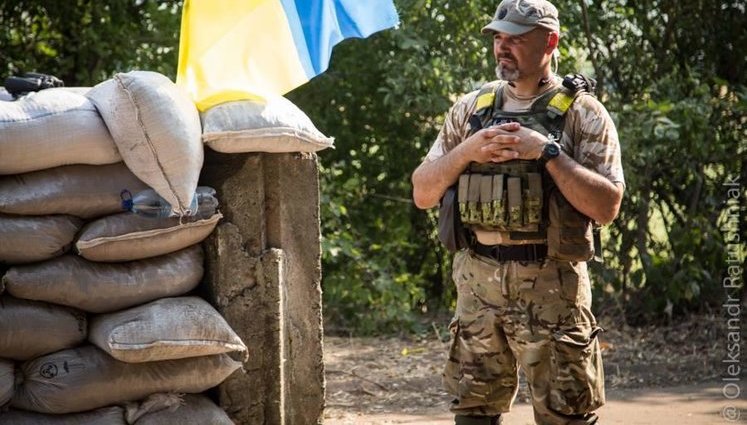
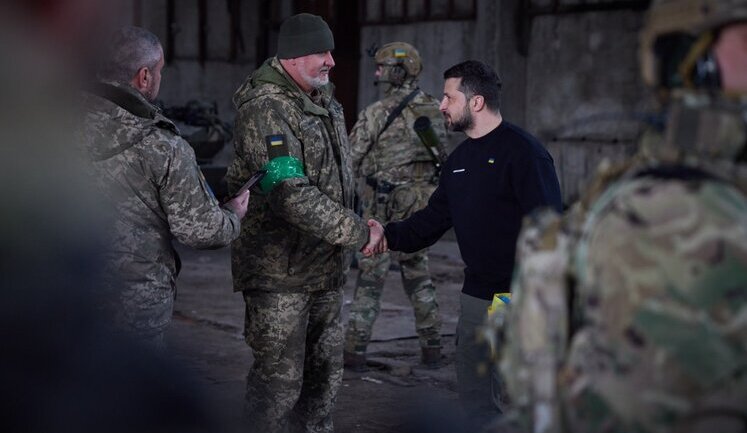
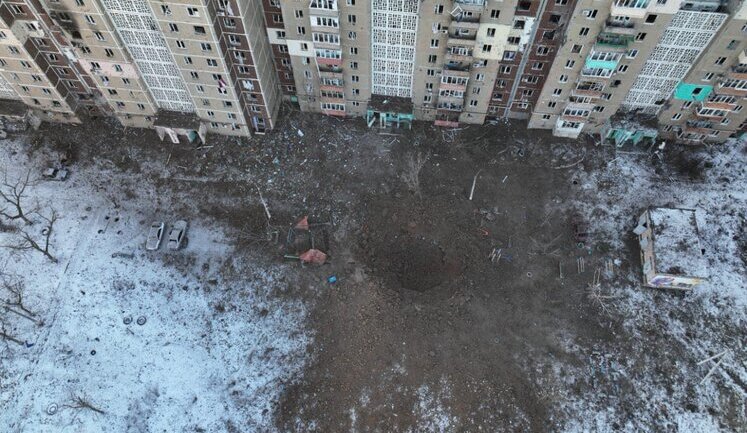
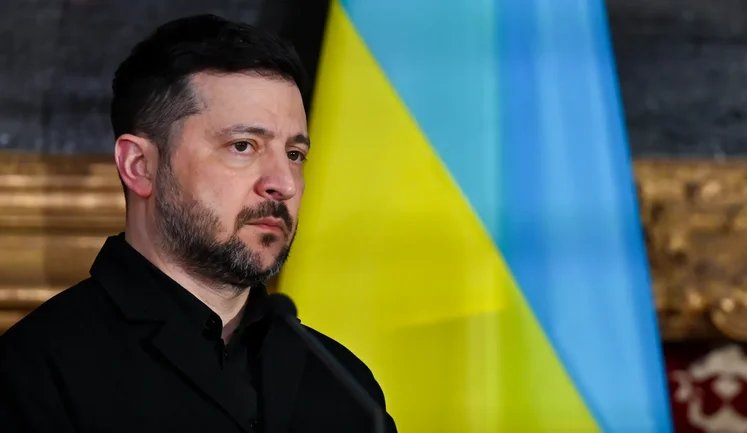
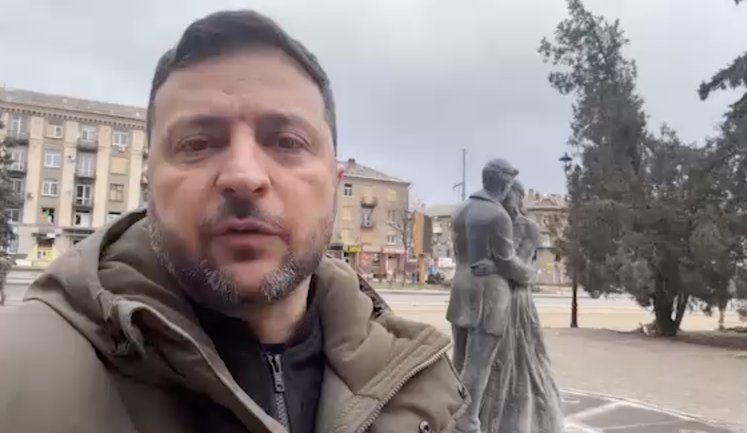
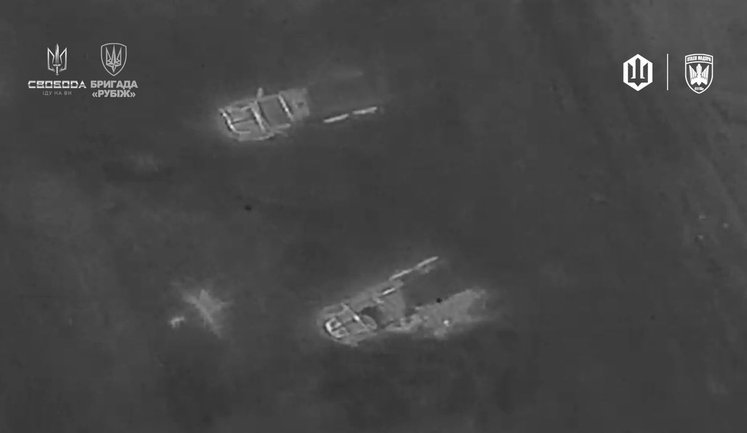
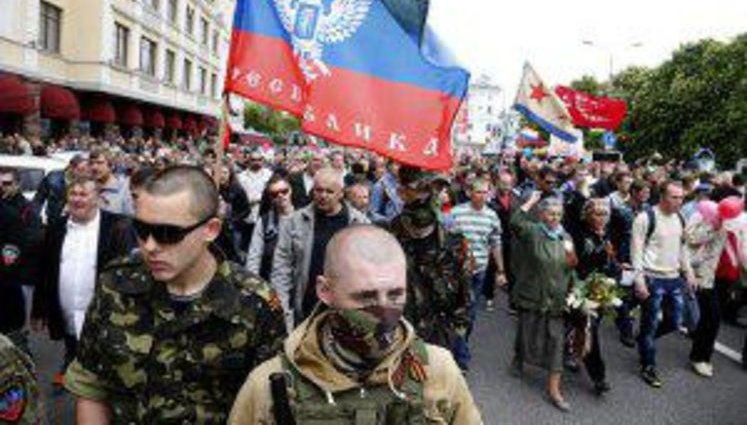
The situation in Donbas remains precarious as Ukraine and Russia engage in intense diplomatic negotiations. Recently, Russian spokesperson Peskov claimed that peace talks would be possible only if Ukraine withdraws its troops from Donbas. Russia's military leadership has assured Putin that the entire region will be under control by fall 2026. Conversely, President Zelenskyy rejected territorial concessions, emphasizing Ukraine's sovereignty. Diplomatic pressure mounts, with the US voicing potential security guarantees contingent on troop withdrawal. Meanwhile, former President Trump denied any agreements with Putin over Donbas. The region's future remains uncertain as geopolitical dynamics continue to unfold.
What is the main demand of Russia regarding the Donbas region?
Russia has consistently demanded that Ukraine withdraw its troops from the Donbas region to facilitate peace negotiations. The Kremlin claims that Ukrainian military presence hampers the potential for diplomatic resolutions. However, Ukraine has repeatedly rejected these demands, prioritizing its territorial integrity and national sovereignty.
What role does the United States play in the Donbas negotiations?
The United States has been actively involved in mediating talks between Ukraine and Russia, offering security guarantees to Ukraine contingent upon strategic withdrawals from Donbas. Despite proposals for territorial concessions, Ukraine remains cautious, considering national interests and public opposition to such measures. The US continues to balance diplomatic engagement with international geopolitical interests.
How has Ukraine responded to Russia's demands on Donbas?
Ukraine, under President Zelenskyy, has refused to meet Russia's demands for troop withdrawal from Donbas, citing the importance of defending its territorial sovereignty. Ukrainian leadership has been open to negotiations but asserts that any resolution must align with the nation's legal and territorial boundaries. Public sentiment also heavily favors maintaining control over the region.
What are the implications of a possible Donbas troop withdrawal?
A withdrawal of Ukrainian troops from Donbas could have significant implications, potentially consolidating Russian control over the region and destabilizing Ukraine's eastern defense lines. This move might also influence regional security and alter the balance of power, leading to broader conflicts and affecting peace prospects in Eastern Europe. Strategic military leaders view troop presence as crucial for national defense.
Are there any proposed compromises for the Donbas conflict?
Several compromises have been proposed, including the creation of a demilitarized zone or a free economic zone in Donbas. The United States has suggested security guarantees in exchange for partial withdrawal. However, these proposals face resistance due to concerns over sovereignty, security, and public agreement. Effective mediation remains essential for acceptable resolutions.