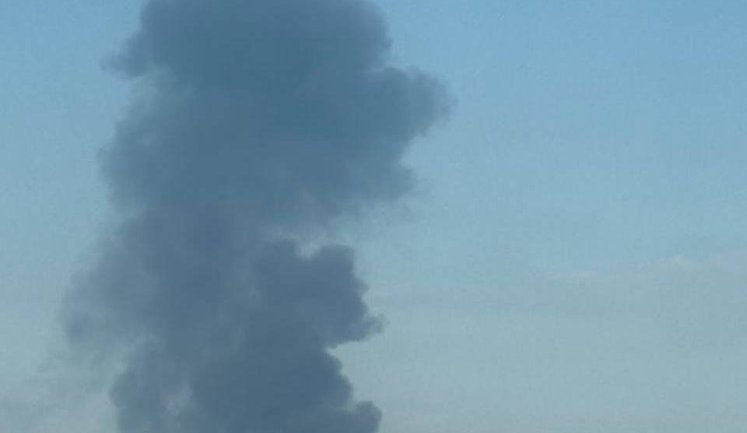
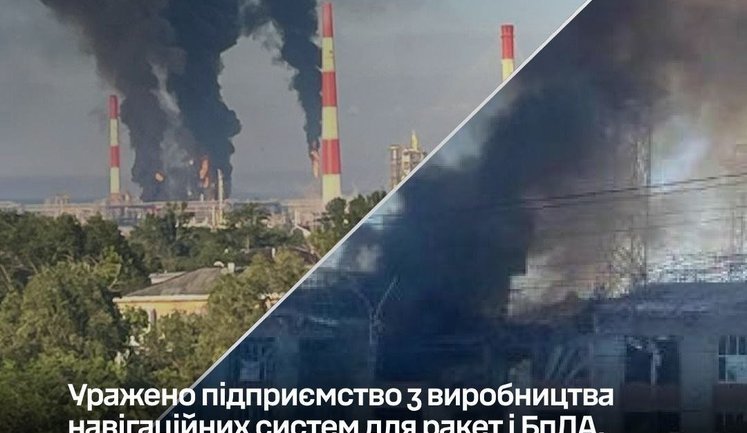
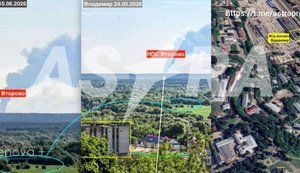
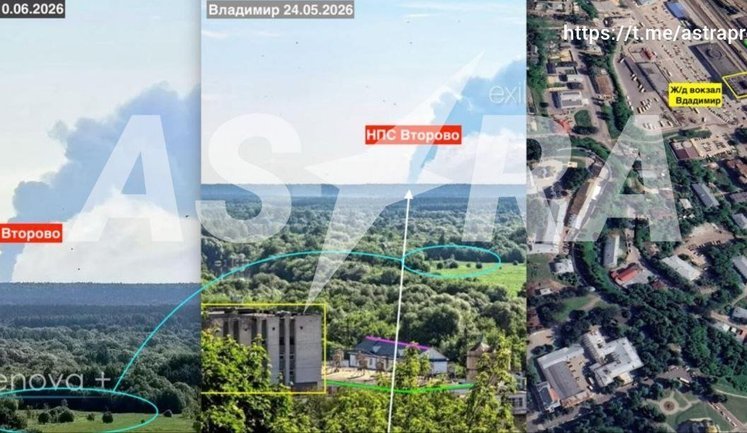
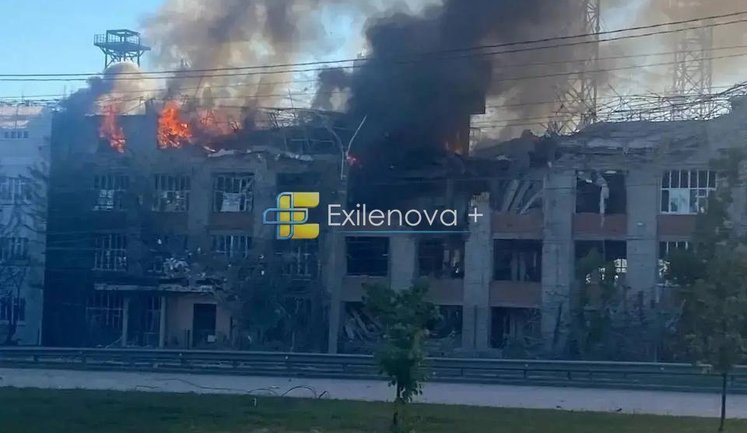
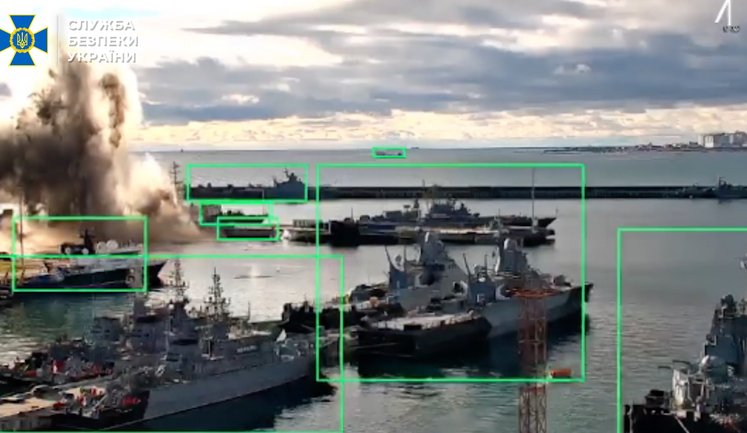
Recent strikes on the Russian Federation, particularly targeting oil infrastructure and defense systems, have created significant geopolitical tension. Ukrainian President Volodymyr Zelenskyy has acknowledged requests to limit attacks on Russia's oil industry due to potential global economic repercussions. Despite this, Ukraine's Defense Forces continue to execute strikes, such as the ones on the Krymskaya oil pumping station and Ust-Luga Oil terminal. These actions reaffirm Ukraine’s strategy to weaken Russia’s military and economic capabilities. Strikes on oil facilities, like those on the Sheskharis terminal in Novorossiysk, have strengthened Ukraine's bargaining power during negotiations. As these operations diversify, they highlight the intensifying nature of contemporary military conflicts and their economic implications, specifically concerning global oil markets and military logistics.
What are the strategic goals behind Ukraine's strikes on Russian oil infrastructure?
Ukraine aims to undermine Russia's military and economic capabilities by targeting critical infrastructure such as oil facilities. These actions are intended to disrupt the aggressor's logistics and economic stability, strengthening Ukraine's position in ongoing negotiations while highlighting vulnerability in enemy defense systems.
How do strikes on Russian soil impact global oil prices?
Strikes on Russian oil infrastructure can lead to disruptions in supply, potentially escalating global oil prices. This instability reflects on global markets due to Russia's significant role in energy exports. Such activities highlight the geopolitical risks associated with military actions targeting key economic sectors.
Why might allies request Ukraine to limit strikes on Russian infrastructure?
Allies may request restraint to prevent escalations that could severely impact global economic stability, particularly in energy markets. Avoiding significant disruptions in oil supply is crucial for maintaining economic balance and preventing adverse global market reactions.
How do these military operations affect Ukraine's negotiating position with Russia?
By effectively targeting vital infrastructure, Ukraine strengthens its negotiating stance. Demonstrating capability and resilience in striking hard-to-reach areas showcases strategic leverage, which can be advantageous during diplomatic engagements with Russia, persuading concessions or agreements favoring Ukraine.
What are the risks involved in Ukraine's ongoing strike campaign within Russian territory?
The main risks include potential retaliation from Russia, strain on international diplomatic relations, and increased military escalation, involving broader regional conflicts. These operations can lead to unpredictability in economic markets, affecting global stakeholders depending on stability in energy sources.
How do drone strikes compare to traditional military attacks?
Drone strikes provide a strategic advantage through precision and reduced risk to personnel. They are cost-effective, harder to intercept, and can target high-value objectives with minimal collateral damage. However, they also escalate wartime technological warfare, adding complexity to global defense strategies.
What role does technology play in Ukraine's defense strategy?
Technology, particularly unmanned aerial systems, plays a critical role in enhancing Ukraine's defense capabilities. It allows for effective long-range operations and targeting of vital enemy infrastructure, while also showcasing advancements in Ukraine's military technology and strategic adaptability.
What is the international response to Ukraine's expanded military actions?
International responses vary, with some allies supporting Ukraine's defense initiatives, while others express concern over potential escalations. Diplomatically, these actions necessitate careful balancing to maintain support while addressing global economic and political impacts of expanded military operations.
How do these strikes align with Ukraine's overall military objectives?
The strikes align with Ukraine's objective to deter aggression by disrupting enemy logistics and demonstrating military readiness. By targeting economic and military infrastructures, Ukraine aims to sustain defensive and offensive capacities necessary for its sovereignty and regional security.
What potential future outcomes could arise from these ongoing strikes?
Potential outcomes include changes in negotiation dynamics, shifts in global oil prices, heightened military engagement, and redefined alliances. The strikes could either hasten conflict resolution through strategic advantage or escalate into broader confrontational scenarios requiring international intervention.