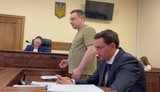
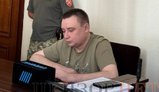
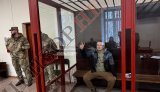
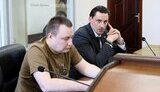
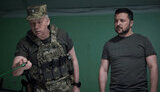
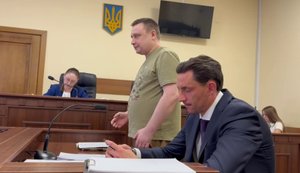
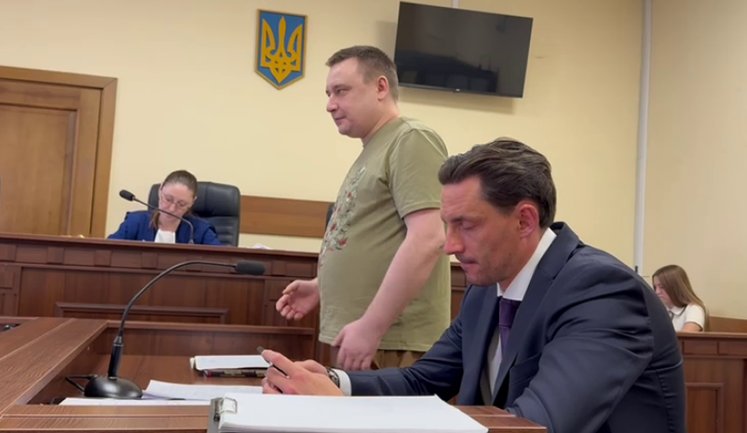
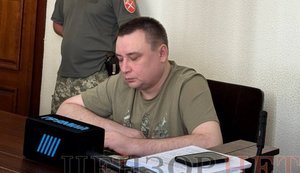
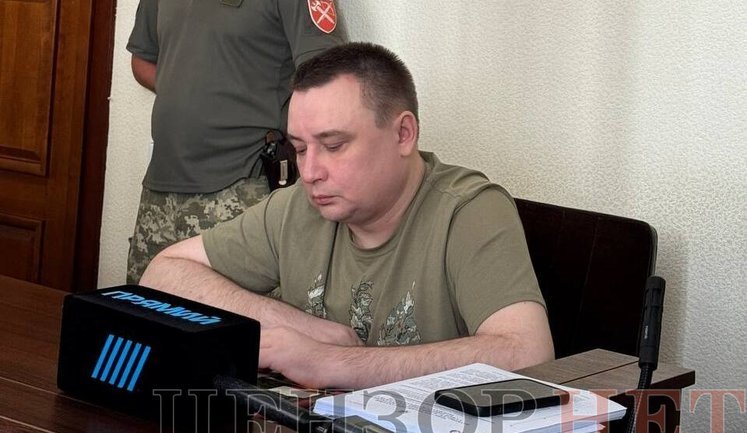
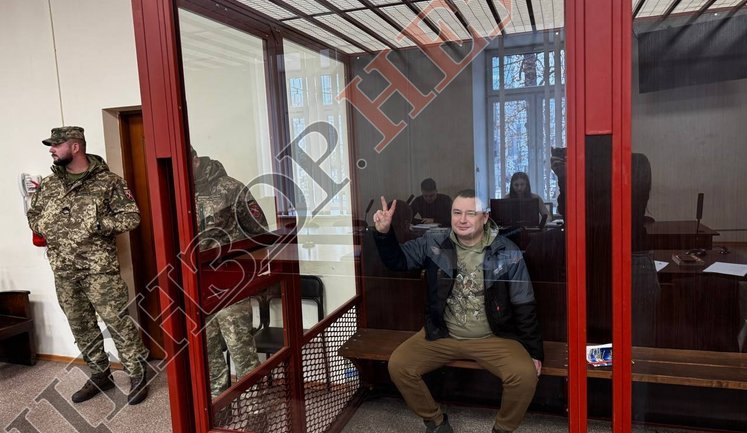
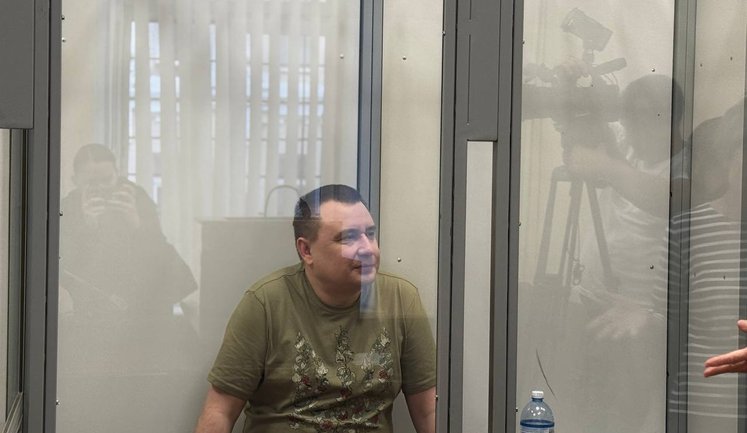
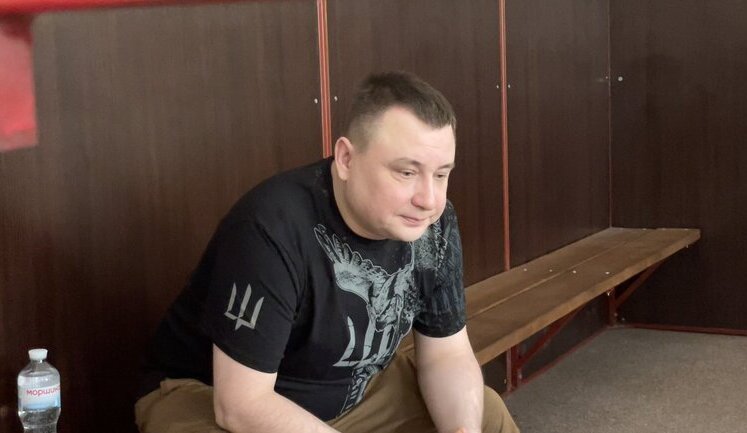
Dmytro Riumshyn, ex-commander of the 155th Brigade in Ukraine, is embroiled in significant legal battles. Accused of failing to report military crimes, including 630 AWOL cases, Riumshyn's detention has repeatedly been extended amidst decreasing bail amounts, now set at UAH 10 million. The European Court of Human Rights is also reviewing his complaint, with legal proceedings marked by appeals and reduced bail conditions. Despite this, no AWOL soldier has been interrogated, raising concerns about the fairness of the investigation. Public support for Riumshyn has been evident, with endorsements from military veterans and different battalions, indicating the complex and contentious nature of these proceedings.
What are the charges against Dmytro Riumshyn?
Dmytro Riumshyn faces accusations of failing to report military crimes, notably not addressing 630 cases of absent without leave (AWOL) under his command in the 155th Brigade. These charges include legal violations related to military discipline and oversight.
What is the current bail amount for Dmytro Riumshyn?
The latest court ruling has reduced Colonel Dmytro Riumshyn's bail to UAH 10 million. This amount has been adjusted several times during the proceedings, reflecting ongoing legal debates about the case severity and the preventative measures necessary.
What role does the European Court of Human Rights play in Riumshyn's case?
The European Court of Human Rights has initiated consideration of Riumshyn’s complaint. This international legal oversight signifies the case's complexity and potential human rights implications, providing an additional review layer beyond Ukrainian courts.
How has public opinion reacted to the Riumshyn trial?
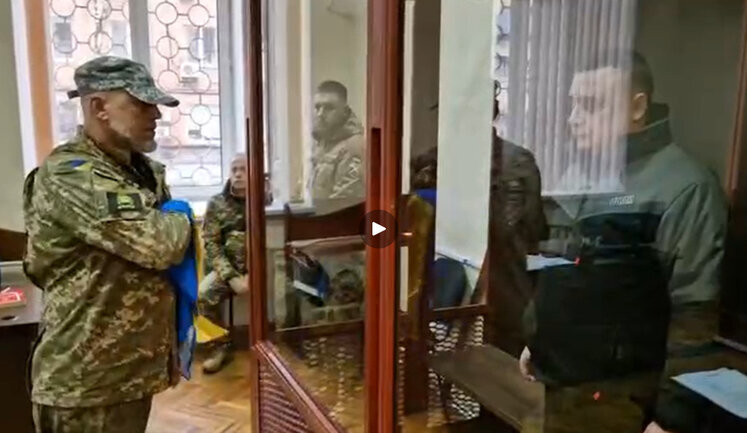
Public reaction to Dmytro Riumshyn's trial has seen military veterans and current battalions expressing support for their former commander. This backing challenges prosecutorial narratives and highlights the broader implications of military leadership accountability.
What procedural issues have arisen in Riumshyn's legal process?
Several procedural issues have emerged, including delays in case file preparations and challenges in transferring cases for appeal. These issues are compounded by claims of insufficient soldier interrogations, raising concerns over procedural fairness and transparency.
Why have none of the AWOL soldiers been interrogated in Riumshyn's case?
In the proceedings against Dmytro Riumshyn, it is reported that none of the military personnel who went AWOL have been interrogated. This lack of interrogation poses critical questions regarding evidence gathering and the thoroughness of the investigations pursued by the authorities.