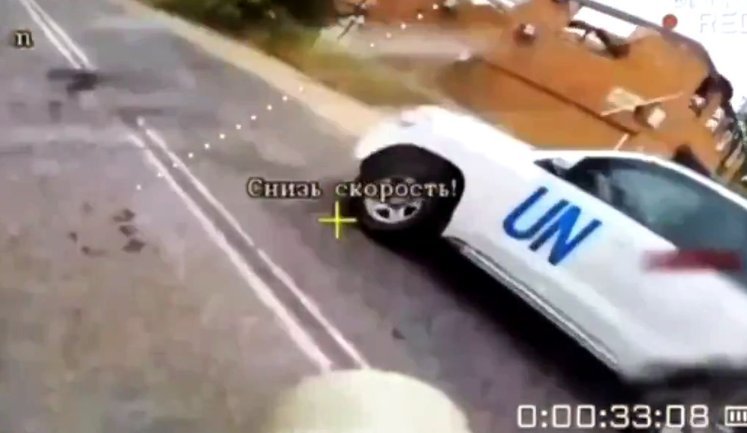
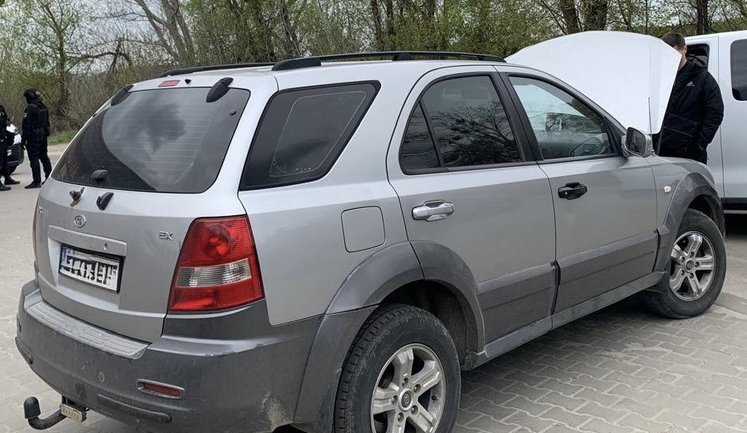
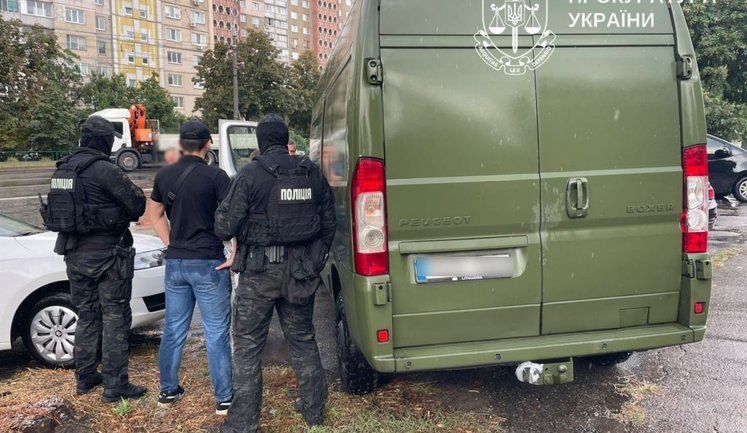
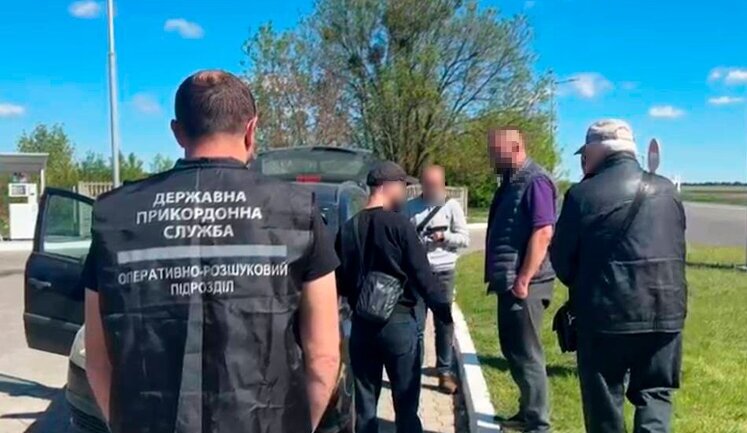
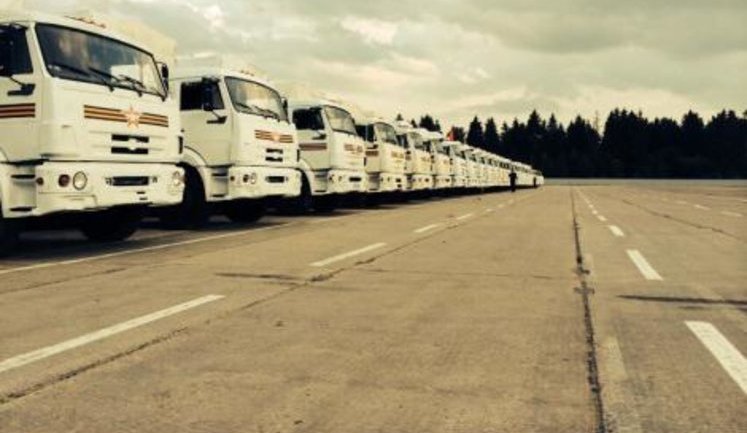
The ongoing conflict in Ukraine continues to prompt international response, particularly in the form of humanitarian aid. Recent contributions include an additional $46 million from Norway and €2 million from Austria, emphasizing a global commitment to support Ukraine's needs. In an effort to streamline aid efforts, President Zelenskyy has enacted legislation to regulate humanitarian assistance, ensuring aid reaches those in need effectively. Unfortunately, challenges persist as illegal activities, such as the misuse of vehicles provided as aid, have surfaced, highlighting the need for vigilance. Meanwhile, destruction of aid storage facilities due to military actions further exacerbates the crisis. International bodies, including the UN and EU, are actively involved, with significant funds allocated to bolster humanitarian operations in Ukraine.
What are the main sources of humanitarian aid to Ukraine?
The main sources of humanitarian aid to Ukraine include international governments, such as those of Norway and Austria, and organizations like the United Nations and the European Commission. These entities provide crucial financial resources and supplies to support humanitarian efforts in the country.
How is humanitarian aid being affected by the conflict in Ukraine?
The conflict in Ukraine significantly impacts humanitarian aid efforts. Hostilities have led to the destruction of aid storage facilities, such as those in Zaporizhzhia and Sumy regions, disrupting distribution and endangering lives. Additionally, legal and illegal challenges, such as misuse of aid goods, complicate delivery and necessitate increased oversight.
What recent changes have been made to humanitarian aid regulations in Ukraine?
Recently, President Zelenskyy signed a law regulating humanitarian aid activities, aimed at improving the efficiency and transparency of aid distribution. This legislation seeks to optimize efforts by establishing clear guidelines for the operation of humanitarian organizations in Ukraine.
How are international organizations contributing to Ukraine's humanitarian needs?
International organizations, including the United Nations and the European Commission, are playing a pivotal role by allocating substantial funds to Ukraine. These organizations focus on providing financial resources and logistical support necessary for ongoing humanitarian missions, aiming to meet the pressing needs of those affected by the conflict.
What measures are being taken to combat the misuse of humanitarian aid in Ukraine?
To address misuse of humanitarian aid, Ukrainian authorities are actively investigating and prosecuting illegal activities related to aid distribution. This includes actions against individuals and organizations involved in the inappropriate sale or diversion of aid materials originally intended for military support or civilian relief.