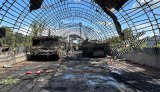
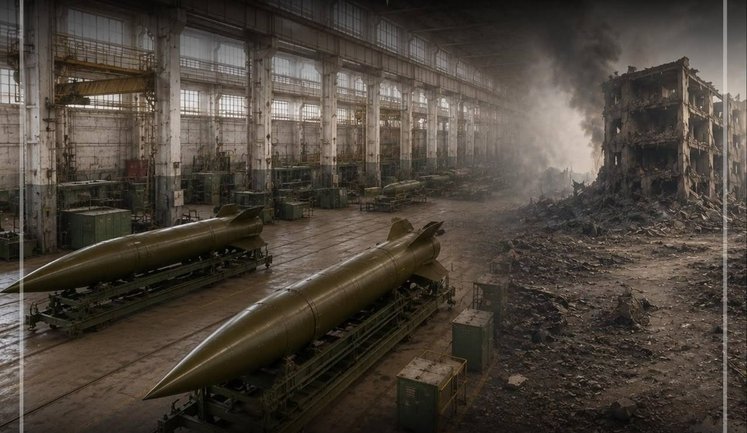
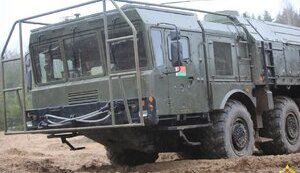
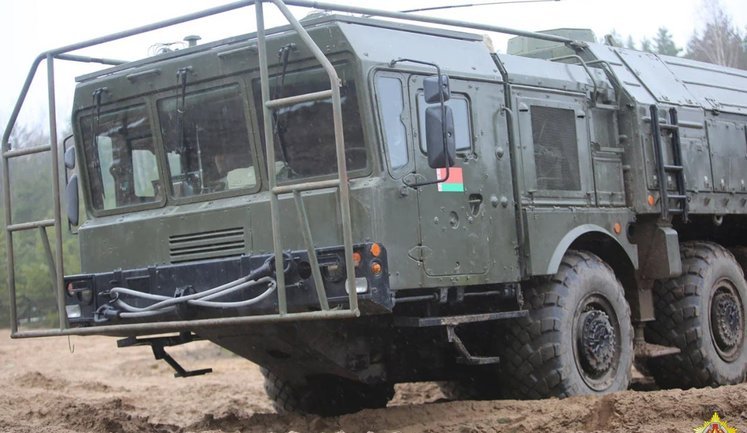
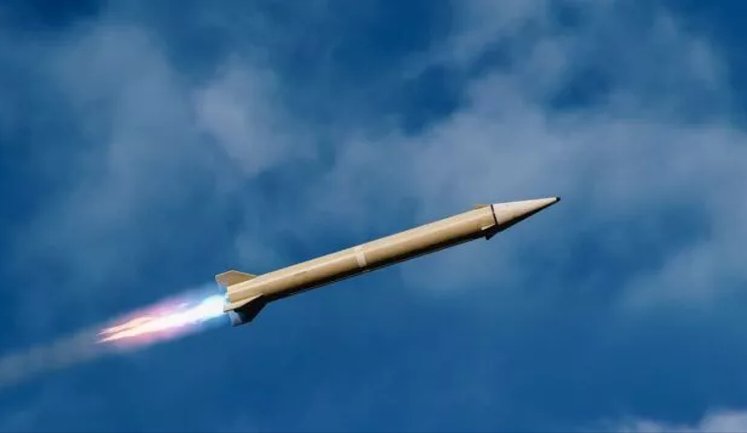
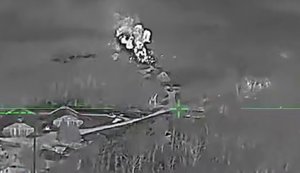
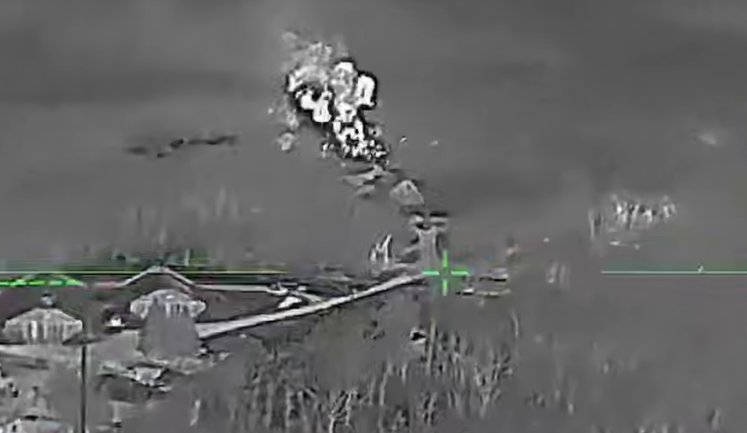
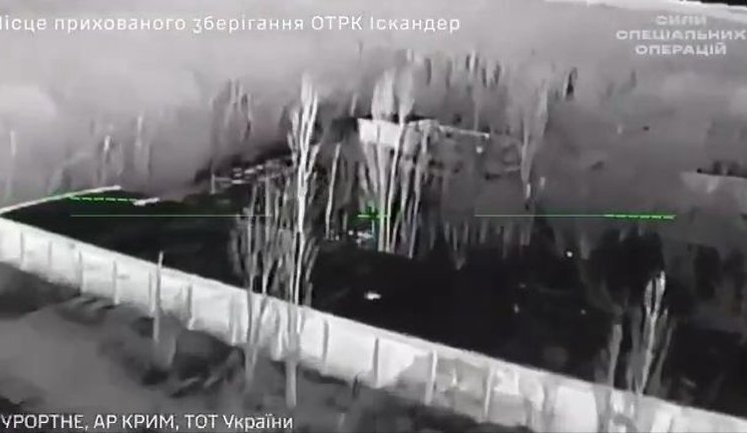
The Iskander missile system continues to play a significant role in the ongoing military activities involving Russia and Ukraine. The Ukrainian Defence Intelligence has disclosed detailed information on the production of the 9M723 ballistic missiles for the "Iskander-M." This includes data concerning 140 Russian and foreign components, 35 enterprises, and the workforce involved in the assembly process. Additionally, recent strikes have showcased the challenges and strategic efforts made by Ukrainian forces to mitigate this threat. Notably, the Defence Forces have successfully targeted an Iskander launcher near the border. The high mobility of these launchers makes them difficult to neutralize, yet efforts are being concentrated on hitting missile production and deployment sites.
What is the current production rate of Iskander missiles?
According to recent reports, Russia produces between 60 to 70 Iskander missiles per month. This production rate suggests a strategic focus on maintaining a steady supply of this missile type to reinforce its military operations and intensify attacks.
What makes the Iskander missile system difficult to destroy?
The Iskander missile system is characterized by its high mobility, allowing launchers to leave their positions rapidly after firing. This mobility complicates targeting for forces aiming to disable or destroy these systems, requiring strategic strikes on production and storage facilities.
How has Ukraine reacted to Iskander missile threats?
Ukraine has responded by striking Iskander launchers and storage facilities, particularly in occupied regions like Crimea. The focus has been on preemptively targeting deployment areas and logistical support to disrupt their use and effectiveness in combat situations.
What impact do Iskander missiles have on regional security?
Iskander missiles pose significant threats to regional security due to their capability of reaching large metropolitan areas, including European cities, in a short time. This has heightened tensions and emphasized the need for robust missile defense systems among affected nations.
What are the challenges faced by Ukrainian defense forces against Iskanders?
Among the challenges faced are the detection and interception of missiles which require sophisticated air defense systems. The shortage of such systems, like Patriots, compounds the difficulty Ukraine experiences in fully countering the missile threat.
How is the international community responding to Iskander threats?
The international community, particularly European countries, is concerned about the existential threat posed by Iskander missiles. Discussions often involve improving collective defense capabilities and enhancing surveillance to anticipate and defend against potential missile strikes.