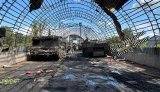
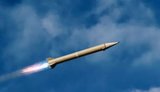
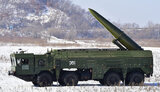
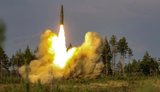
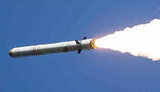
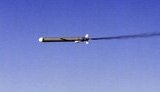
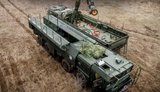
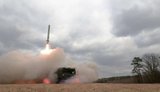
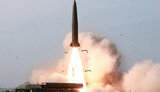
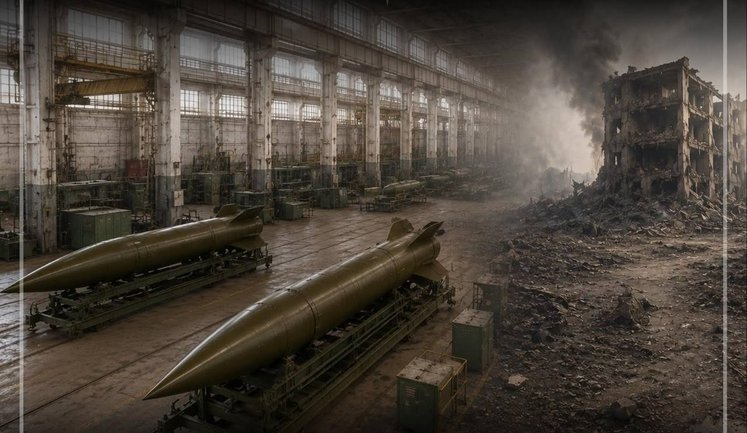
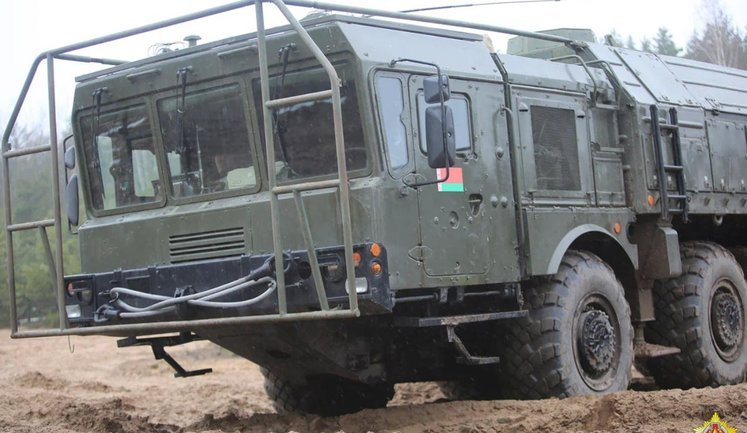
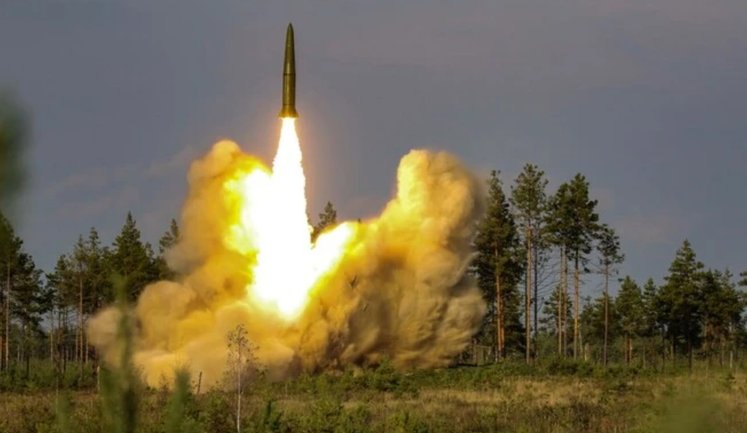
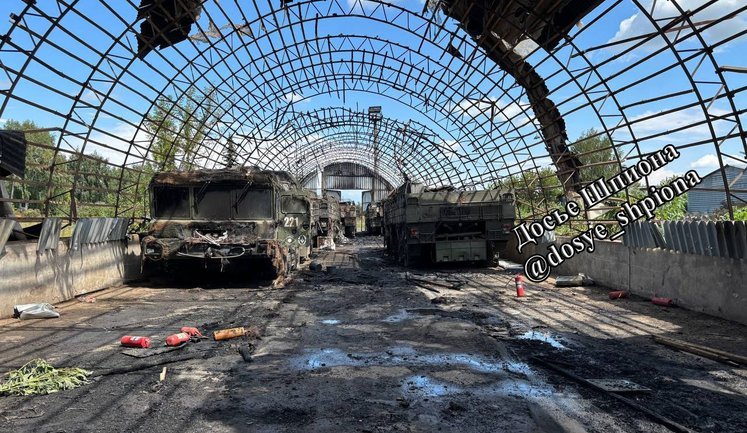
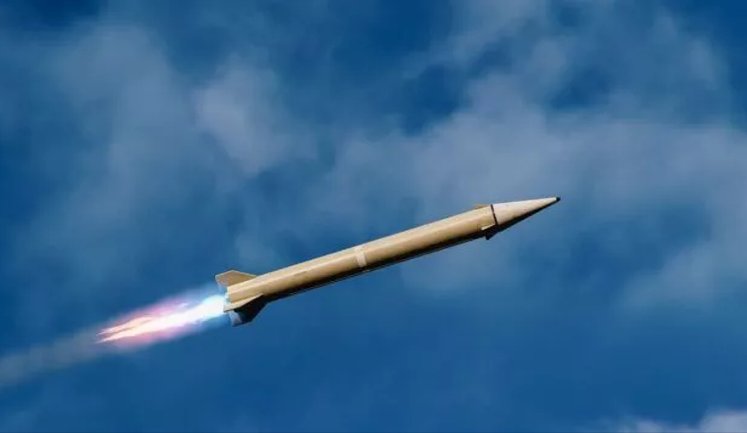
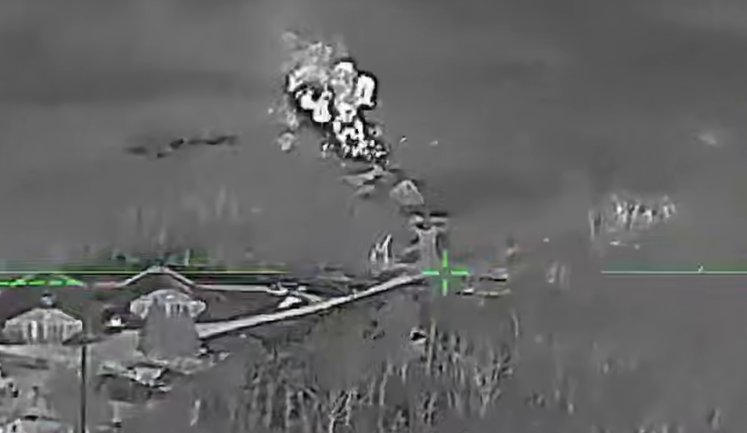
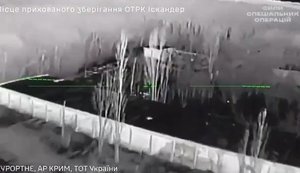
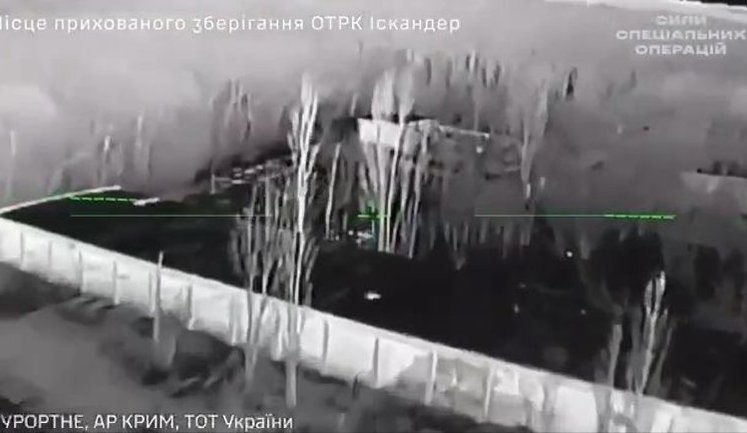
Iskander missile systems represent a critical challenge in the realm of global security due to their advanced capabilities and high mobility. These missiles can strike significant distances rapidly, with experts noting their potential to reach European cities like Berlin in mere minutes. The difficulty in destroying Iskander launchers stems from their high mobility, allowing them to quickly vacate launch sites after firing. Furthermore, the consistent production of these missiles by Russia, at a rate of 60-70 per month, exacerbates tensions and threats to infrastructure. Recent events highlight these threats, with Iskander missiles used in deadly strikes on Ukrainian territories and posing potential export risks involving countries like North Korea. Additionally, Ukrainian forces have made efforts to counter these threats through targeted strikes on production and storage sites, but the ongoing production continues to be a concern for regional and global security.
What makes Iskander missiles a significant threat?
Iskander missiles are particularly threatening due to their mobility and rapid deployment capabilities. They can be launched quickly and can reach distances covering large parts of Europe, posing a major security risk. Their production rate remains high, making them a persistent threat to infrastructure and stability.
How does Russia utilize Iskander missiles in their attacks?
Russia uses Iskander missiles as part of a broader strategy to strike critical infrastructure and civilian targets in Ukraine. Their high precision and mobility make them effective tools for causing both physical damage and psychological impacts during military operations.
Are there any international concerns regarding the production of Iskander missiles?
The international community is concerned about the high production rates of Iskander missiles, reportedly 60-70 per month. This production capability supports Russia's ongoing military operations and poses an export risk to other nations, potentially destabilizing regions beyond Europe.
What defensive measures are being taken against Iskander missile threats?
Ukraine and its allies are employing several countermeasures, including targeted strikes on Iskander production and storage sites. The use of advanced air defense systems is also critical in intercepting missile and UAV strikes launched by the Russian military, although shortages, like those of Patriot systems, present challenges.
Have there been any successful efforts in neutralizing Iskander systems?
Yes, there have been successful military operations targeting Iskander systems. Ukrainian Special Operations Forces have struck relevant targets in occupied Crimea and other regions, aiming to dismantle the capabilities of these missile systems before they can be deployed.
How do Iskander missiles impact regional geopolitics in Europe?
Iskander missiles contribute significantly to regional instability in Europe by posing a direct threat to nations across the continent. The ability of these missiles to reach strategic cities like Berlin in moments heightens tensions between Russia and European nations, influencing both military strategy and diplomatic relations.
What are the recent examples of Iskander missile strikes?
Recent incidents include an Iskander missile strike on the outskirts of Kryvyi Rih, resulting in civilian casualties, and multiple attacks on critical Ukrainian infrastructure. These actions highlight the ongoing threat Iskander systems pose to Ukraine and its neighbors.
How does Ukraine respond to Iskander missile deployments?
Ukraine responds to Iskander missile deployments by strengthening its air defense systems, employing surveillance to track missile positions, and executing targeted strikes against launch and production sites. These measures aim to reduce the operational threat posed by such missiles.