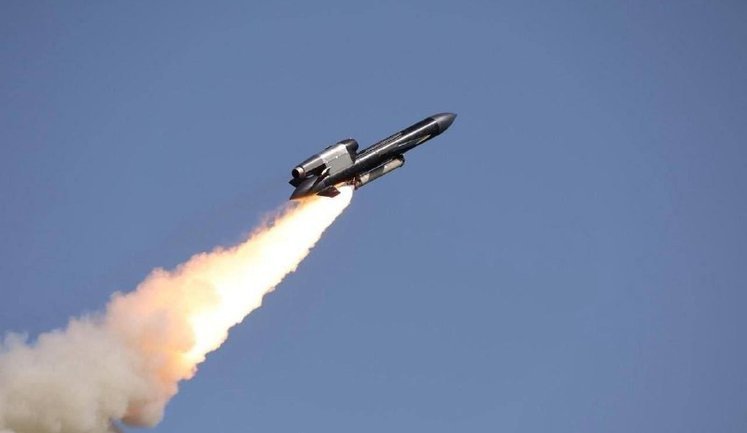
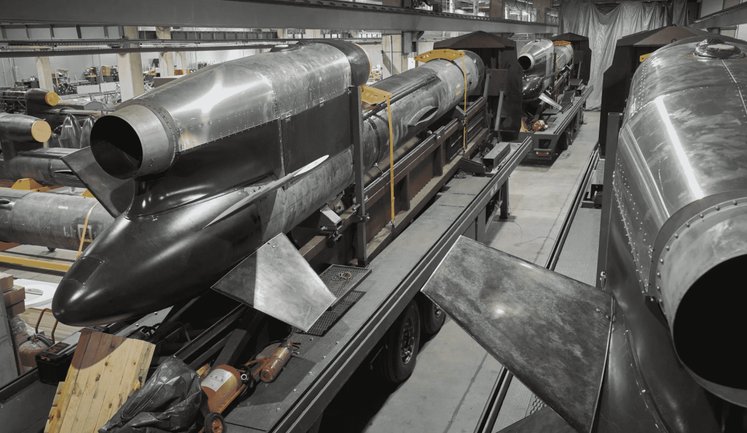
The FP-5 "Flamingo" missile, a key asset for Ukraine's military, has significantly impacted the ongoing conflict by successfully striking multiple strategic targets within the Russian Federation. Recent reports have highlighted successful Flamingo missile strikes on major Russian military-industrial complexes, including the Titan-Barrikady plant in Volgograd and the Avitek plant in Kirov. These strikes have not only caused substantial material damage but have also been instrumental in disrupting the production of Russian military weapons. The Flamingo missile's deployments are part of a broader strategy involving saturation tactics to penetrate Russian air defenses, utilizing waves of drones to overwhelm detection systems before the primary strike. Additionally, the production and use of these missiles underscore Ukraine's growing defense capabilities, with the military-industrial complex continuously evolving to adapt to wartime demands.
What is the primary purpose of the Flamingo missile?
The Flamingo missile serves as a strategic military asset for Ukraine, employed primarily to strike significant Russian defense sites. Its precision and effectiveness, particularly against industrial complexes, underscore its role in disrupting enemy weapon production and logistics, crucial for Ukraine's ongoing defense efforts against Russian aggression.
How has the Flamingo missile strategy impacted Russian military operations?
By targeting key Russian military-industrial sites, the Flamingo missile strategy has disrupted the production of critical weapon systems like the Iskander-M and Topol-M missiles. This not only hampers Russia's ability to replenish its arsenal but also necessitates a reassessment of its defensive and offensive strategies due to the persistent threat posed by these precision strikes.
What role do saturation tactics play alongside Flamingo missile launches?
Saturation tactics involve overwhelming Russian air defenses with a barrage of inexpensive drones before deploying more lethal weaponry like the Flamingo missiles. This approach helps to increase the penetration rate of long-range strikes, making subsequent attacks with more advanced missiles like the Flamingo more effective in reaching their targets despite sophisticated enemy defense systems.
How has the development of the Flamingo missile influenced Ukraine's defense capabilities?
The development and successful deployment of the Flamingo missile have significantly bolstered Ukraine's defense capabilities. It demonstrates Ukraine's ability to produce and employ advanced military technology effectively, fostering a stronger strategic posture against potential adversaries and enabling targeted strikes that have both tactical and psychological impacts on military operations.
What geopolitical implications arise from Ukraine's use of Flamingo missiles?
Ukraine's use of Flamingo missiles carries substantial geopolitical implications by showcasing its advanced military technology and capability to inflict strategic damage within Russia. This not only impacts the balance of power in the region but also influences international perspectives on Ukraine's military resilience and the ongoing conflict dynamics, potentially affecting diplomatic negotiations and alliances.
How does the Flamingo missile contribute to Ukraine's saturation tactics?
The Flamingo missile is a critical element of saturation tactics, used after drones that overwhelm enemy radars, making it difficult for Russian defenses to intercept all threats. This layered approach helps ensure that the primary strike weapons, like the Flamingo missiles, can reach and damage their intended targets more effectively, maximizing the impact of each military operation.