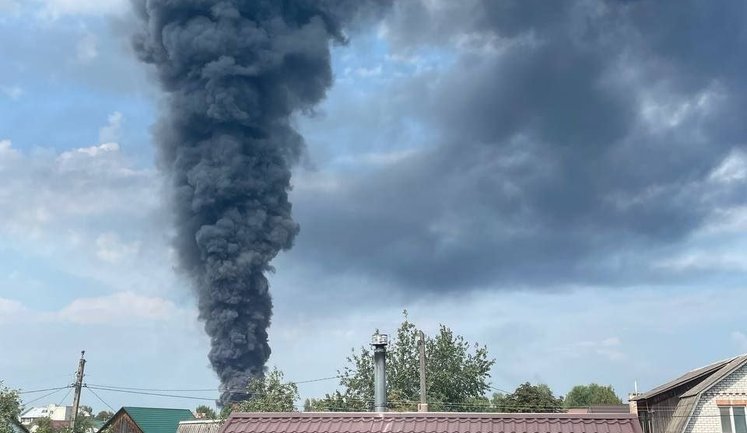
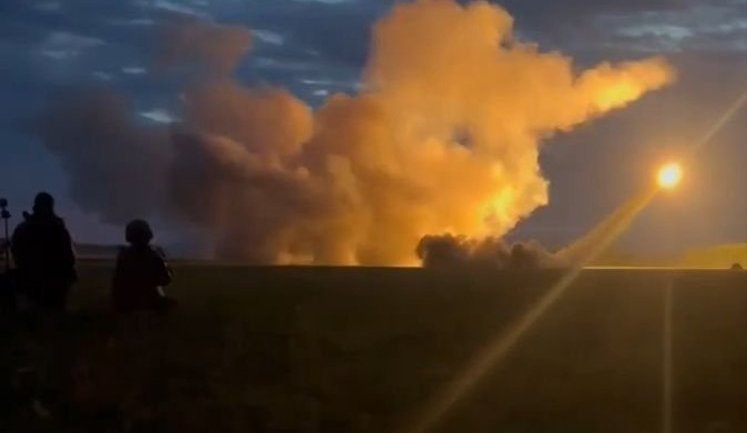
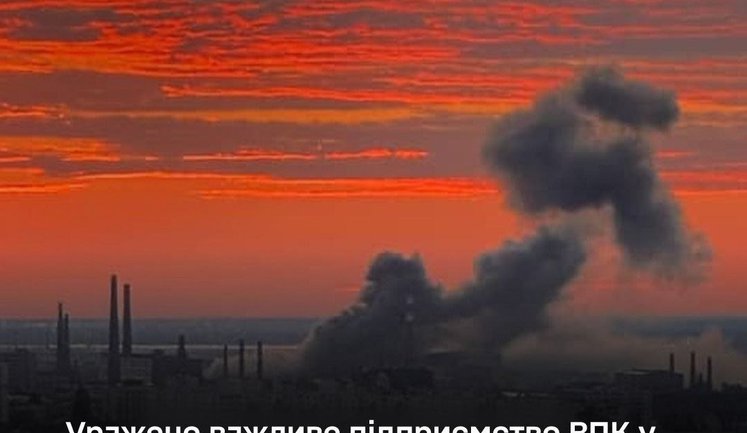
Ukrainian FP-5 "Flamingo" missiles have become a focal point in the ongoing conflict, targeting vital Russian military-industrial installations such as the Cheboksary and Chapaevsk plants. These maneuvers have not only impaired Russian military production but have also led to a declared missile threat across 13 Russian regions for the first time during the war. President Zelenskyy has highlighted the challenges faced in missile production due to Russian attacks, yet resilience is shown through the rapid relocation and resumption of manufacturing. The strategic use of these missiles underscores Ukraine's growing defense capabilities and highlights the escalating significance of technological advancements in modern warfare.
Why are Flamingo missiles significant in the Ukraine conflict?
Flamingo missiles are a major component of Ukraine's defense strategy, capable of targeting critical Russian military installations. Their successful deployment has disrupted Russia's military industrial capabilities and escalated the conflict, highlighting Ukraine's technological advancements.
How have Flamingo missiles affected Russian military production?
Flamingo missiles have struck key Russian factories, such as those in Cheboksary and Chapaevsk, severely impacting the production of military equipment. This has led to logistical challenges within the Russian defense sector, drawing significant strategic attention.
What challenges has Ukraine faced in Flamingo missile production?
Ukraine's production of Flamingo missiles faced setbacks due to Russian strikes on manufacturing facilities. Despite these challenges, production lines were relocated and operations resumed, showcasing resilience and determination in maintaining defense capabilities.
What impact have Flamingo missile strikes had on Russian civil areas?
The strikes on military facilities by Flamingo missiles have triggered a missile threat declaration across 13 Russian regions, impacting regional security and civilian preparedness. This underscores the growing reach of the conflict and its effects on broader Russian territories.
How does the Flamingo missile strategy fit into Ukraine's overall defense approach?
The use of Flamingo missiles is central to Ukraine's defense posture, aiming to disrupt Russian military capabilities and advance its technological edge in warfare. It exemplifies Ukraine's commitment to enhance its offensive and defensive measures amidst ongoing tensions.
What has been the international reaction to Flamingo missile use by Ukraine?
Internationally, the use of Flamingo missiles by Ukraine has been closely watched. It underscores the evolving dynamics of military technology in conflict zones and prompts responses concerning regional security and potential escalation risks, impacting global geopolitical strategies.
Why did Russia declare a missile threat in multiple regions?
Russia declared a missile threat in multiple regions following the impact of Flamingo missile strikes on strategic military facilities. This move reflects heightened alertness and preparedness against further Ukrainian missile activities threatening Russian infrastructure.
What advancements are underway in Ukrainian missile technology?
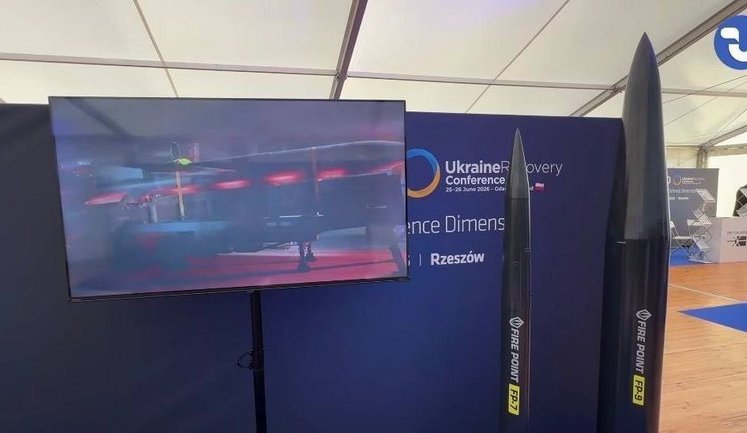
Ukraine is progressing in missile technology with ongoing developments like the FP-7 and FP-9 supersonic ballistic missiles. This evolution in their military technology indicates a strategic shift towards more sophisticated, effective long-range defense capabilities.
How have missile developments affected traditional military events in Russia?
Owing to missile developments, discussions have emerged on altering or cancelling traditional Russian military parades, such as 'Victory Day'. The missile threat influences the perception and conduct of national security events, illustrating the impact of new warfare strategies on cultural observances.