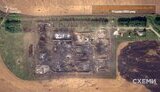
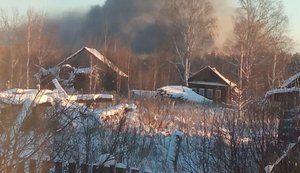
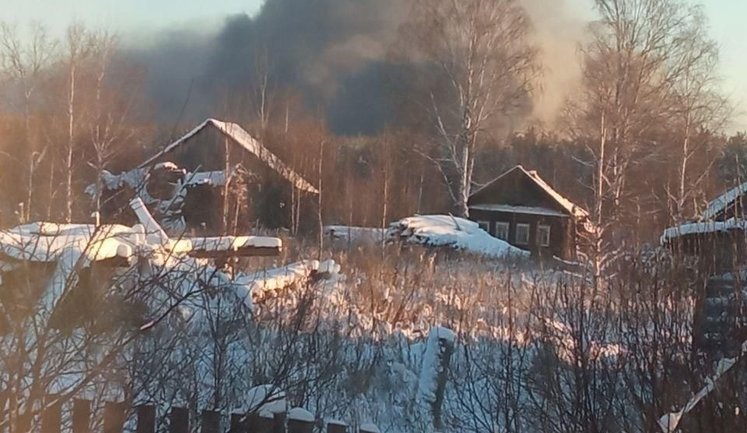
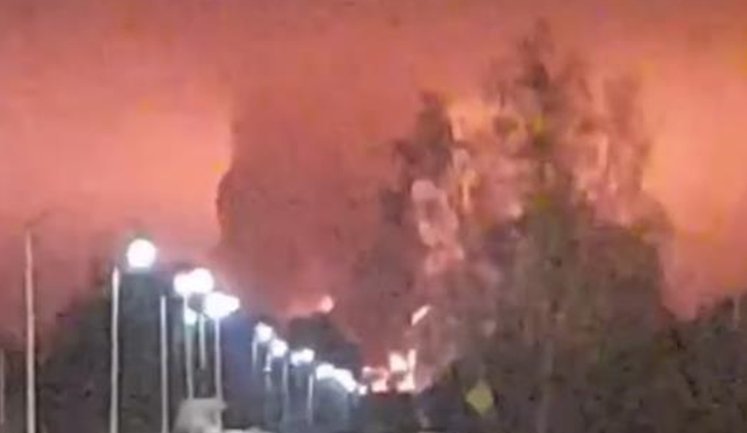
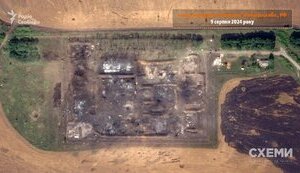
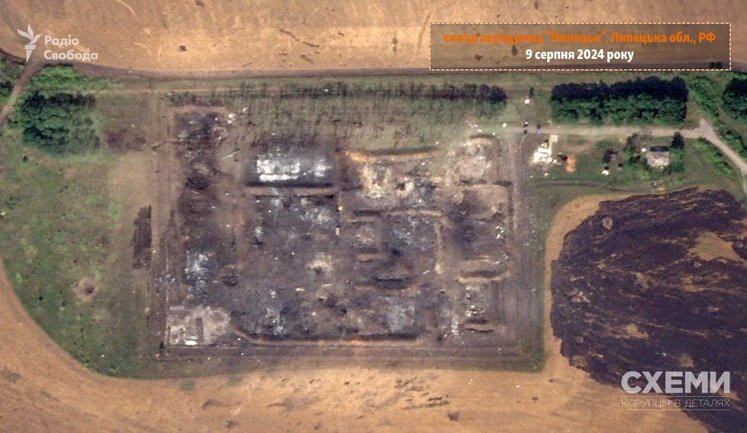
In recent weeks, the Lipetsk Region of the Russian Federation has become a focal point for strategic strikes by the Ukrainian Defence Forces. Significant targets, including the Gerkon Plus oil depot and several military infrastructure points, have been hit by drones. These operations aim to weaken the Russian aggressor's military and economic capacities by affecting its defense industry and logistical operations. The fires resulting from these attacks highlight the vulnerability of vital Russian resources in the region. The disruption of activities like oil storage and military equipment manufacturing is a strategic disadvantage for Russia. The ongoing tensions in the region underscore the importance of these operations in altering the military balance.
What recent events have taken place in the Lipetsk Region?
The Lipetsk Region of Russia has experienced a series of drone strikes targeting critical infrastructure such as oil depots and military production facilities. These attacks have resulted in significant fires and damage, impacting military and economic capabilities.
How have the Ukrainian Defence Forces targeted the Lipetsk Region?
The Ukrainian Defence Forces have focused on strategic targets in the Lipetsk Region through drone strikes, causing substantial damage to oil depots, radar stations, and military production sites. These operations are part of broader efforts to diminish the Russian Federation's military strength.
What impact have drone attacks had on military assets in Lipetsk?
Drone attacks in the Lipetsk Region have caused fires and significant damage to key military assets, including airfields with fighter jets and facilities crucial for the Russian defense industry. This has weakened Russia's operational and logistical capabilities.
Why is the Lipetsk Region a strategic target for Ukrainian operations?
The Lipetsk Region holds many strategic assets, including oil resources and military production sites linked to Russia's defense infrastructure. Strikes here are intended to disrupt production and logistics, ultimately undermining Russia's military efforts.
What were the consequences of the attacks on Lipetsk's oil depot?
The drone attacks on the Lipetsk oil depot led to significant fires, causing extensive damage to fuel supplies and contributing to the broader aim of disrupting Russia's economic and military functionalities. Such disruptions are a strategic setback for the region.
How did the attacks on Lipetsk affect Russia's defense industry?
The attacks on Lipetsk's sites, including the Energia plant, have led to fires and destruction of facilities producing military products for Russian forces. This disruption in manufacturing capability represents a critical blow to Russia's defense production efforts.