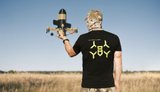
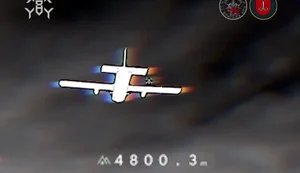
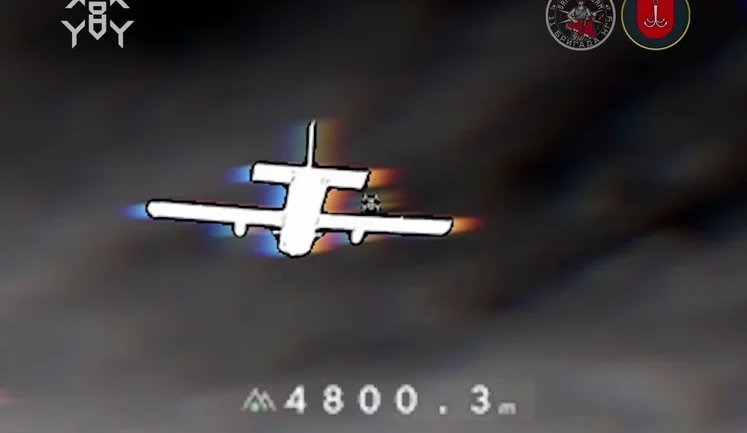
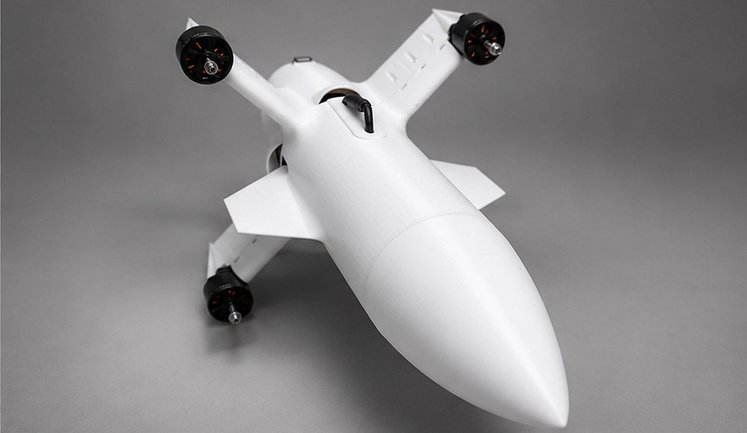
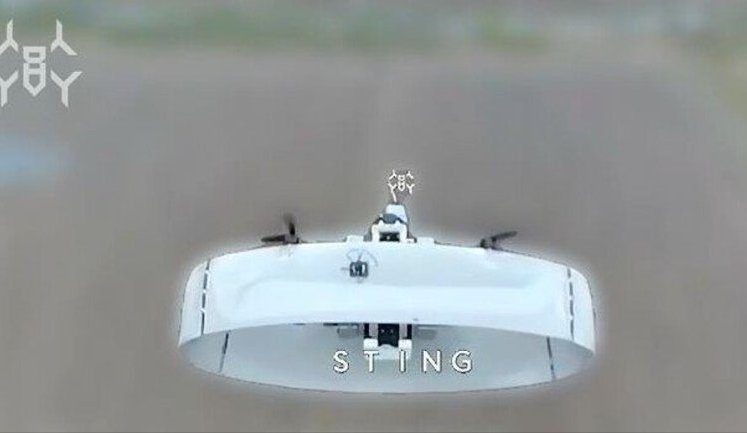
In 2026, interceptor drones have become crucial in Ukraine's defense arsenal. The STING interceptor, developed by Ukrainian company Wild Hornets, has been instrumental in shooting down thousands of Russian drones, including the advanced Shahed models. With over 15,000 neutralizations reported, these drones are pivotal in maintaining aerial security. Additionally, Germany’s Quantum Systems is set to supply Ukraine with numerous SPYS interceptor drones. As Ukraine aggressively expands its production capabilities, collaborations with partners are enhancing technology transfer, aiming to counter jet-powered Russian drones effectively. This year marks significant advancements in the field of interceptor development.
How many Russian drones have been intercepted by Ukrainian systems?
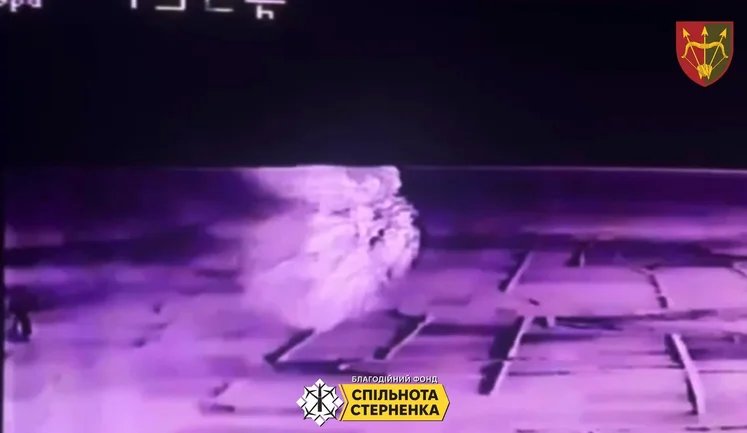
In 2026, Ukrainian interceptor drones, prominently the STING model, have successfully intercepted over 15,000 Russian drones, including advanced models like the Shahed. This has been a crucial component in Ukraine’s effective aerial defense strategy, showcasing the potency and reliability of the interceptor technology deployed.
What is the role of Germany's Quantum Systems in Ukraine's defense?
Germany's Quantum Systems is significantly contributing to Ukraine's defense by providing tens of thousands of SPYS interceptor drones. These systems are tailored to effectively counter Russian jet-powered drones, enhancing Ukraine's aerial defense capabilities and fortifying its ability to neutralize advanced threats from the air.
What technological advancements have Ukrainian interceptors achieved recently?
Ukrainian interceptors, like those developed by Wild Hornets, have achieved remarkable advancements in efficiency and precision. Recent developments include increasing operational ranges by 50% and refining communication systems to maintain stability amidst electronic warfare, thereby improving combat effectiveness against Russian UAV threats.
How are Ukrainian drone operators trained to use new technologies?
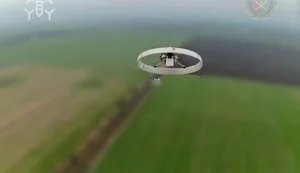
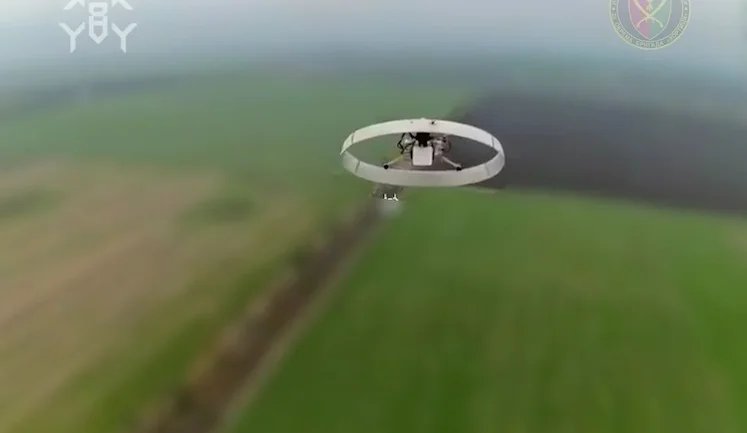
Ukrainian drone operators are trained using specially developed training UAVs such as the Bebradron-M, which simulate realistic operational conditions for interceptors. These training tools enable operators to master navigation, targeting, and engagement procedures, ensuring readiness for active military deployments against aerial threats.
What did President Zelenskyy highlight about Ukraine's interceptor strategy?
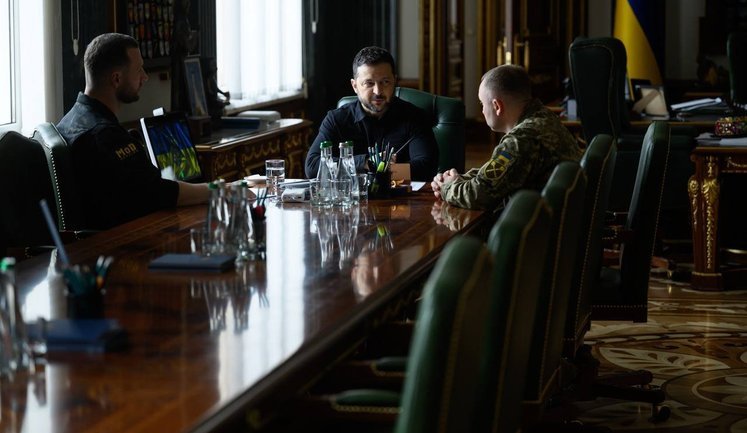
President Zelenskyy underscored the extensive testing and deployment of new Ukrainian interceptor drones. These systems are crafted to bolster air defense by targeting sophisticated Russian drones, such as Shahed models. Zelenskyy emphasized ongoing development and scaling efforts to meet defense needs effectively.
What impact have interceptor drones had on Ukrainian aerial defense?
Interceptor drones have profoundly transformed Ukrainian aerial defense, bolstering the ability to neutralize high-risk UAV threats from Russia. These drones, particularly the STING model, achieved high interception rates, playing a pivotal role in safeguarding infrastructure and civilian areas from aerial attacks.