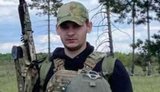
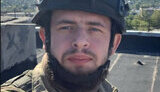
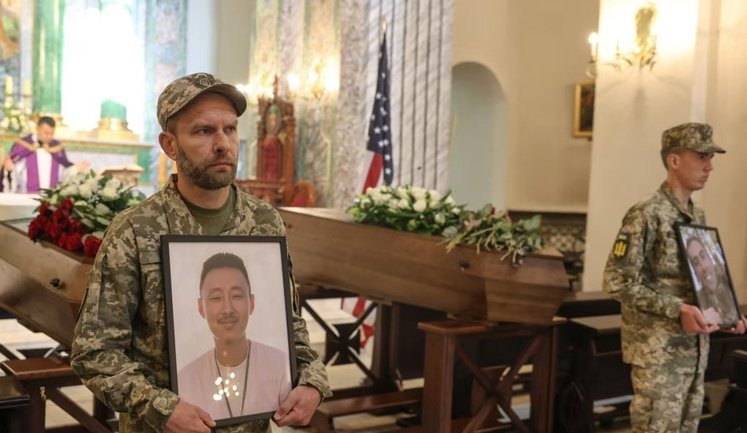
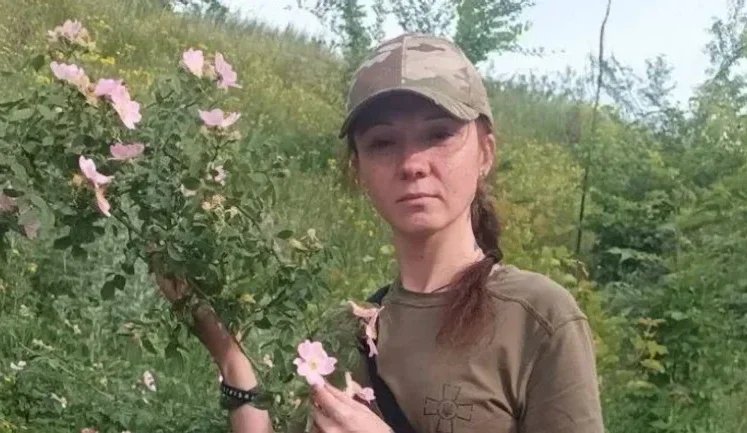
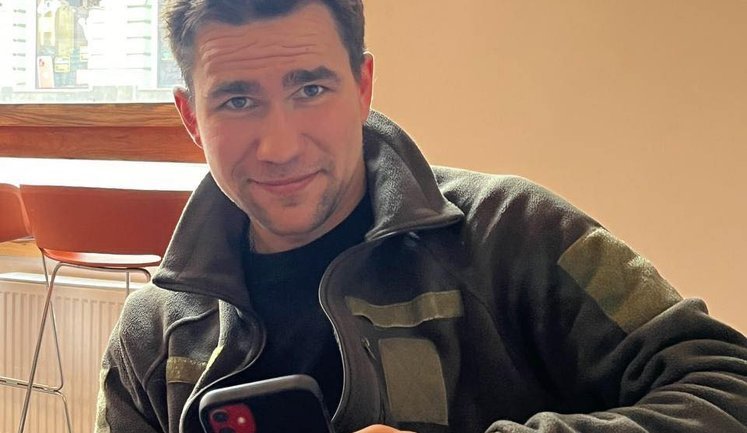
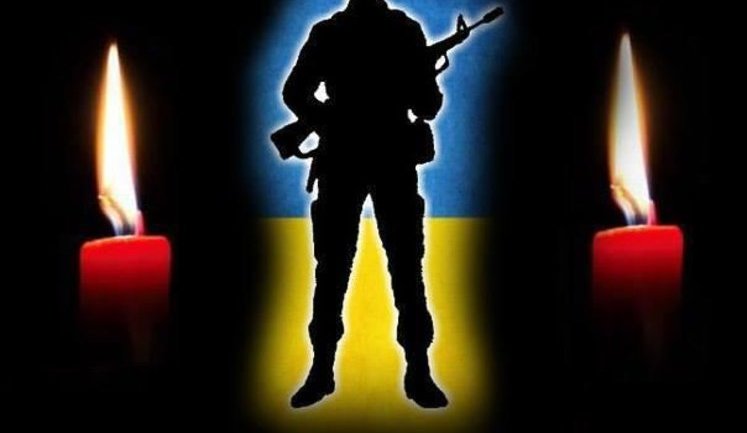
The current conflict in Ukraine has witnessed countless tragic losses as brave individuals defend their homeland. This includes Oleksandr Olivko, a pastor turned sniper, and Ruslan Rudukan, a media designer and serviceman. Young and courageous, Artom Sinevych and Eva Reuter are also among many who fell in the line of duty. The collective sacrifices of servicemen and women, such as Roman Buzile, Anatolii Tkach, and Alina Pashchenko, underscore the ongoing struggle. As Ukraine continues to defend its sovereignty, these losses are not just numbers, but the heartbreaking stories of lives dedicated to the cause of freedom and peace.
What are the recent military losses in Ukraine?
Recent reports highlight several individuals who were killed while defending Ukraine. These include servicemen from different backgrounds, encompassing pastors, journalists, and musicians, all sacrificing their lives on the front lines.
How are losses affecting the Ukrainian armed forces?
The losses are a significant blow, impacting both morale and operational capacity. Each soldier represents a unique skill set, leading to challenging gaps within the military as they try to fill these roles with new recruits.
What is the impact of these losses on Ukrainian society?
The impact is profound, as each loss reverberates through communities. Families and friends mourn their loved ones, while the wider Ukrainian society grapples with the ongoing human cost of defending their national integrity.
Who are some notable individuals recently killed in Ukraine?
Notable individuals include Oleksandr Olivko, a pastor turned sniper; Ruslan Rudukan, a journalist; and Danylo Smyrnov, an assault trooper. Each played unique roles within the armed forces and their deaths signify a tremendous loss.
How does Ukraine honor its fallen soldiers?
Ukraine honors its fallen soldiers through memorials and funeral ceremonies, recognizing their bravery and sacrifice. The nation mourns collectively, illustrating respect for those who have given their lives in defense of freedom and sovereignty.
Are civilians affected by military losses in Ukraine?
Yes, civilians are deeply affected as military losses often include individuals from civilian professions who volunteered for military service. Each loss is felt across social segments, impacting families, and communities tragically and across broader social dynamics.
How do losses at the front influence international perception of the conflict?
The persistent reports and human stories about Ukraine's losses continue to draw international sympathy and support, highlighting the crisis's enduring human cost and the country's relentless defense efforts against aggression.
How do recurring losses affect Ukraine's military strategy?
Losses force the Ukrainian military to reassess strategies continually, prioritizing not only defensive measures but also the protection of personnel. This includes adjustments in tactical approaches and the implementation of new strategies to minimize casualties.