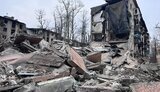
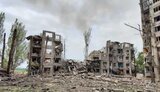
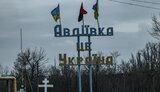
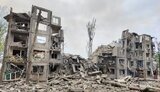
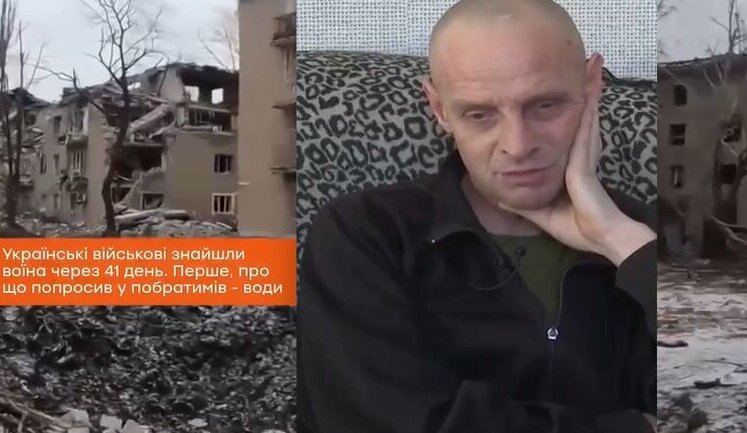
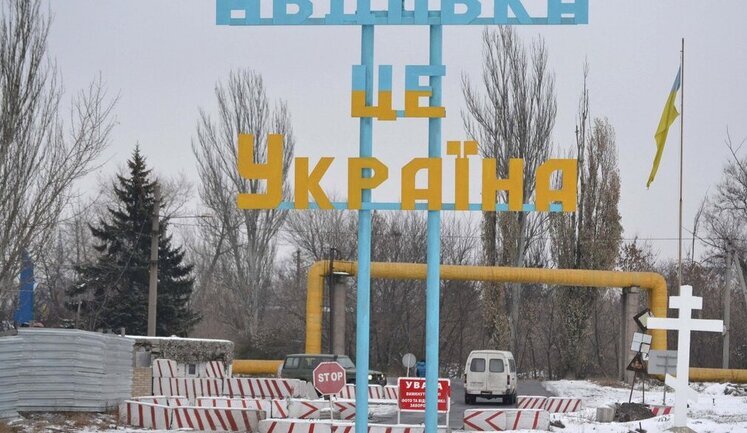
Avdiivka, a focal point in the ongoing conflict in Ukraine's Donetska region, remains embroiled in intense military engagements. The Ukrainian intelligence recently located and neutralized the Russian "Rubicon" headquarters, dealing a significant blow to enemy forces. Despite the adversity, stories of extraordinary bravery emerge, such as paratrooper Vladyslav Molodykh, who defended his position alone for 41 days. Meanwhile, infrastructure issues persist as Russia admits delays in Avdiivka's reconstruction. Videos reveal scenes of destruction and valiant defense, portraying the harsh realities and resilience of the Ukrainian forces. The town's strategic importance continues to make it a central point of military focus, where Ukrainian defenders strive to regain control despite immense challenges.
What significant event happened at the Russian "Rubicon" headquarters in Avdiivka?
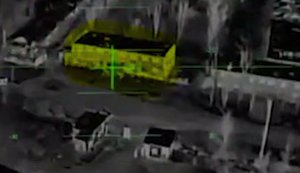
The Ukrainian intelligence successfully targeted the Russian "Rubicon" headquarters in Avdiivka, eliminating several officers and UAV operators. This strike significantly disrupted enemy operational capabilities and was a major tactical achievement for Ukrainian forces resisting occupation.
What challenges does Avdiivka face in terms of reconstruction?
Reconstruction in Avdiivka faces significant hurdles as Russia has suspended efforts, particularly pending decisions about the local coke plant. The delay reflects broader logistical and economic struggles in occupied territories, complicating recovery efforts and impacting local civilian infrastructure development.
How has paratrooper Vladyslav Molodykh contributed to the defense of Avdiivka?
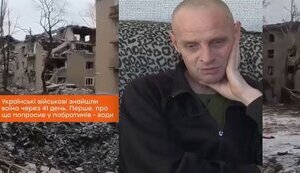
Vladyslav Molodykh demonstrated remarkable heroism by single-handedly defending his position in Avdiivka for 41 days. His endurance and tactical proficiency highlight the determination and resilience of Ukrainian soldiers, serving as an inspirational example in the ongoing conflict.
What evidence is there of ongoing destruction in Avdiivka?
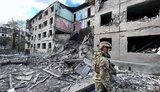
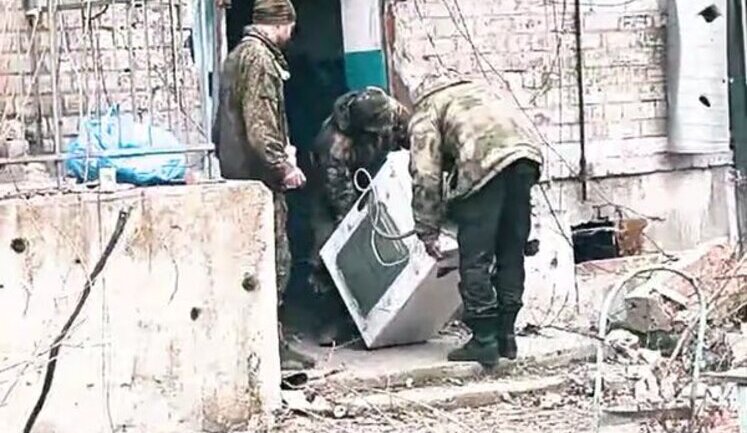
Video footage continues to surface, depicting extensive destruction throughout Avdiivka. This includes visuals of ruined infrastructure, looting by occupiers, and ongoing military engagements. These clips provide a sobering view of the extensive physical and social damage inflicted on the town and its inhabitants.
How are Ukrainian forces performing militarily in the Avdiivka region?
Ukrainian forces are actively engaged in defending Avdiivka, successfully conducting operations such as drone strikes and armor battles against Russian forces. These efforts reflect tactical proficiency and significant bravery, underscoring Ukraine's commitment to reclaiming and defending its territory against aggression.
What strategic significance does the Avdiivka region hold?
The Avdiivka region is strategically important due to its proximity to significant urban centers and infrastructure, such as the coke plant. Control over this area impacts broader operational capabilities and territorial influences in the Ukraine conflict, making it a pivotal focus for military operations on both sides.
How has the local civilian population been affected by the conflict in Avdiivka?
The civilian population in Avdiivka faces severe disruptions due to ongoing conflict. This includes displacement, destruction of homes, and lack of basic services, exacerbated by delayed reconstruction efforts. The persistent military presence and engagements further strain the local way of life and security.
What role do drones play in the Avdiivka conflict?
Drones are a crucial asset in the Avdiivka conflict, utilized extensively by Ukrainian forces for reconnaissance, targeting, and direct engagement against enemy positions. They enhance operational intelligence, increase strike precision, and minimize personnel risk, significantly contributing to Ukraine's defensive strategy.
What are the future prospects for the situation in Avdiivka?
The future of Avdiivka remains uncertain, with ongoing military engagements and complex geopolitical dynamics affecting potential resolutions. Continuous military pressure, diplomatic efforts, and reconstruction plans will be pivotal in shaping the region's stability and recovery in the foreseeable future.