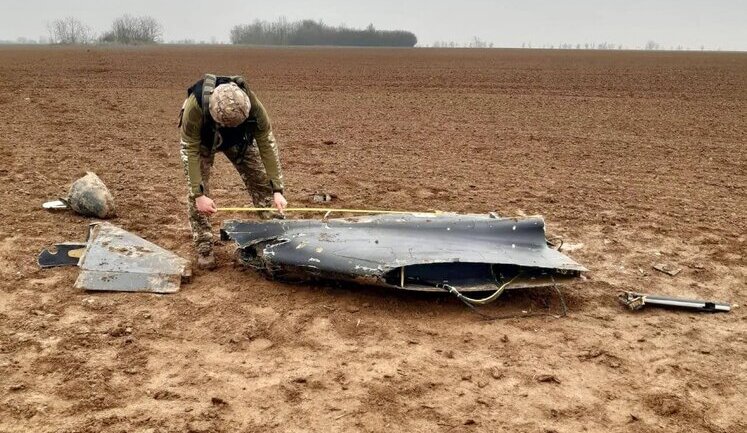
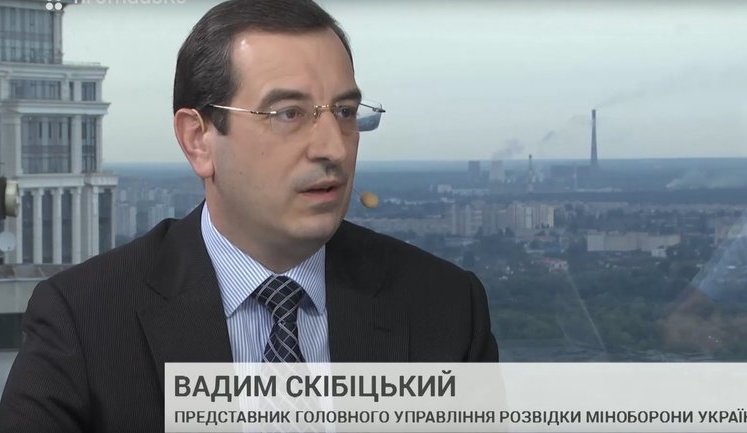
Vadym Skibitskyi, a key figure in Ukraine's Defense Intelligence, has provided in-depth analysis on Russia's military strategies and capabilities. Among the recent developments, Russia's focus on deploying the Rassvet satellite system shows their strategic interest in counteracting systems like Starlink. Furthermore, production of Kinzhal and Kh-32 missiles has been halted, indicating a shift towards other weapon systems, including a notable increase in Iskander missile production, with up to 60 units produced monthly. Skibitskyi highlights that despite resource allocations, Russia's desire to conclude the war by 2026 is due to its inability to match global powers like the U.S. and China. Meanwhile, improvements in missile technology and UAV expansion pose ongoing threats to Ukraine's critical infrastructure and energy sectors. The analysis underscores the importance of vigilance and strategic planning to counteract evolving Russian tactics.
What are Skibitskyi's views on the end of the Ukraine war?
Vadym Skibitskyi suggests that Russia aims to end the conflict by 2026, driven by the challenges of maintaining a war effort that prevents it from reaching the geopolitical influence of countries like China and the U.S. Despite efforts to bolster military production, sustainable engagement has become difficult.
How has Russia's missile production changed, according to Skibitskyi?
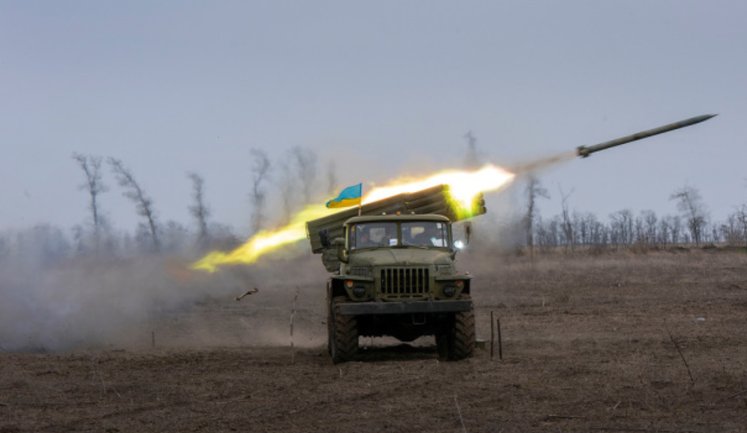
Skibitskyi reports that Russia has increased its Iskander missile output, reaching up to 60 per month, while halting production of Kinzhal and Kh-32 missiles to focus on other arms. This shift highlights a strategic adaptation in response to resource management issues and battlefield requirements.
What new threats does Russia's military pose?
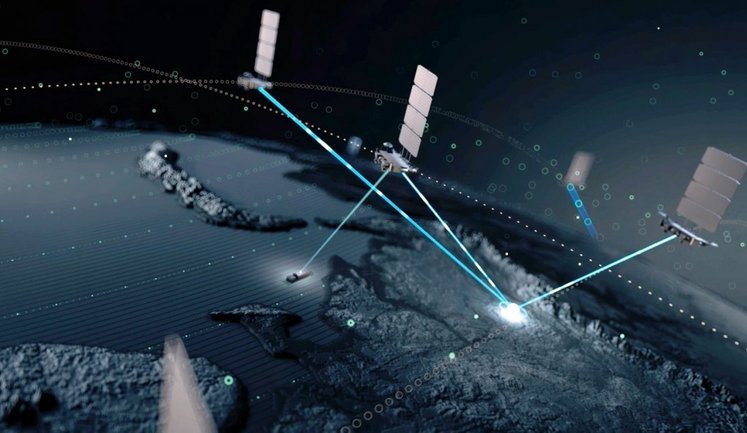
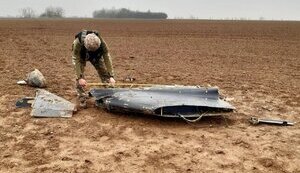
According to Skibitskyi, Russia's development of the Rassvet satellite system is a significant threat, as it aims to offset systems like Starlink. Concurrently, improved missile technologies and drone warfare adaptations signal a heightened threat to Ukraine's energy and defense infrastructures.
What insights did Skibitskyi provide about Russian military recruitment?
Skibitskyi notes a daily drafting rate of 1,000-1,200 people in Russia amid rising dissatisfaction with forced mobilization, reaching nearly 70%. This highlights ongoing internal challenges in maintaining troop levels for prolonged military operations.
How is Ukrainian intelligence preparing for potential threats?
Ukrainian intelligence, as highlighted by Skibitskyi, is actively analyzing cyberspace and military developments to preempt threats, particularly in responding to Russia's upgraded missile technologies and evolving strike strategies against critical infrastructure targets.
What is the significance of the Rassvet system in Russia's strategy?
The Rassvet system represents Russia's strategic initiative to develop its own satellite network, potentially rivaling systems like Starlink. This development underscores Russia's commitment to enhancing its military and communication capabilities independent of Western technologies, reflecting a broader shift in how it conducts warfare.
What role does Skibitskyi see for international collaboration in countering Russian tactics?
Skibitskyi emphasizes the need for international coordination in intelligence sharing and sanctions enforcement to curtail Russia's military advancements, particularly in missile technology and drone production, thereby enhancing Ukraine's defensive capabilities and global support.
How have Russian missile capabilities evolved in recent years?
Skibitskyi's analysis notes that Russian missile capabilities have evolved through upgrades in technology and increased production, particularly of Iskander and Kalibr missiles. These advancements highlight Russia's strategic focus on long-range precision strikes as a pivotal element in its military doctrine.