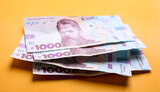
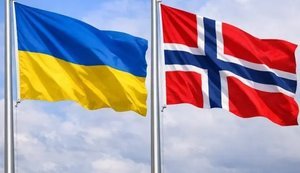
In 2026, Ukraine's economy experiences significant shifts as international contributions and domestic challenges shape its financial landscape. Germany pledges over €800 million to Ukraine's energy fund, reaffirming its support for the country's infrastructure amid ongoing war efforts. Meanwhile, Ukraine's Prime Minister, Serhii Koretskyi, acknowledges a $27 billion shortfall in military expenditures, highlighting the nation's ongoing financial challenges. Additionally, delays in contract submissions have affected the distribution of the EU's €90 billion loan, illustrating the complex financial interplay between Ukraine and its international allies. These developments underscore the critical role of international financial aid and investment in support of Ukraine's economic stability.
What is the purpose of Germany's €800 million funding to Ukraine?
Germany's €800 million funding aims to support Ukraine's energy sector, addressing infrastructure needs exacerbated by the ongoing conflict. This contribution is part of a broader set of agreements reached during a diplomatic visit by Germany's Chancellor, Friedrich Merz. The funding is intended to bolster Ukraine's energy resilience and ensure the country's continued development even as it navigates the challenges of war.
What are the details of Ukraine's $27 billion shortfall issue?
The $27 billion shortfall in Ukraine's military expenditures is a significant concern for the country's financial planners. Prime Minister Serhii Koretskyi has outlined this deficit as part of the total funding requirement of $155 billion needed to sustain Ukraine's military and defense operations. The shortfall highlights the pressing need for additional funding and support from international partners to ensure Ukraine can maintain its defense capabilities.
How does the EU's €90 billion loan affect Ukraine?
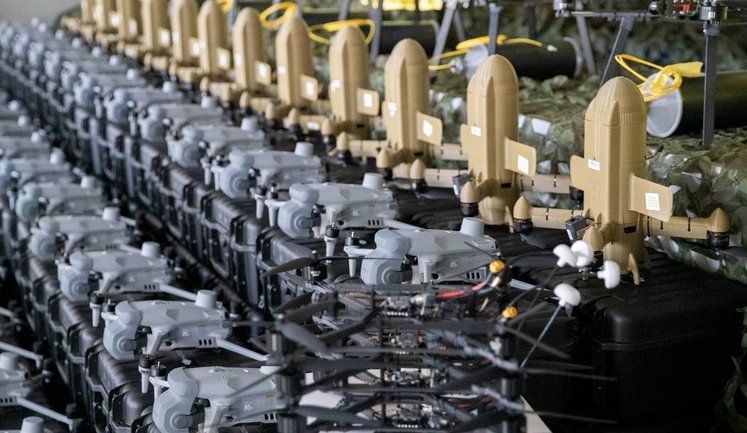
The EU's €90 billion loan is a crucial financial lifeline for Ukraine, intended to support various needs, including military, economic, and social programs. Delays in processing this loan, particularly due to late submissions of over 250 contracts for drone procurements, have impacted the timely disbursement of funds. Ensuring efficient use and access to this loan is vital for Ukraine's economic stability and ongoing defense efforts against aggression.
Why is Poland opposing the full transfer of €6.6 billion to Ukraine?
Poland's opposition to the full transfer of €6.6 billion from the European Peace Facility to Ukraine stems from its demand for financial reimbursement for previously supplied weapons. Poland insists that approximately 2 billion zlotys (450 million euros) should be returned. This stance underscores the complex geopolitical relationships and financial negotiations involved in providing military and economic support to Ukraine during the conflict.
What measures are being taken to address the budget shortfall in Ukraine?
To address Ukraine's budget shortfall, efforts are underway to secure international financial aid, streamline domestic expenditures, and boost revenues. The government is engaging with international organizations like the IMF and EU to unlock critical financial resources. Additionally, initiatives to tighten fiscal management and optimize public spending are being explored to ensure funding is directed effectively to strategic priorities, including defense and infrastructure support.