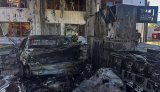
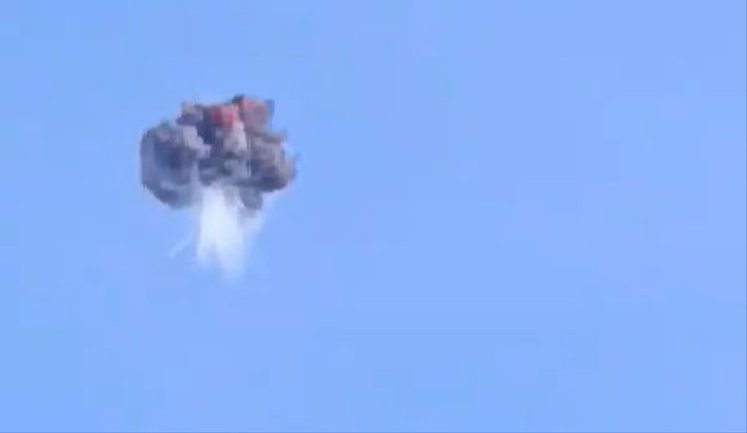
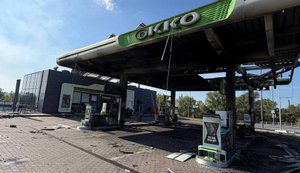
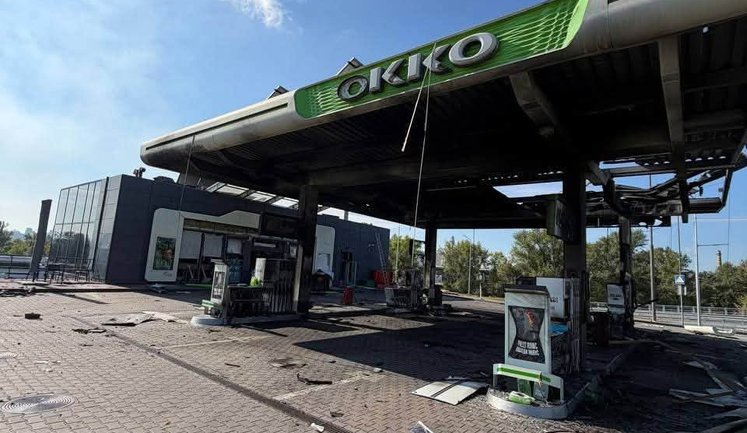
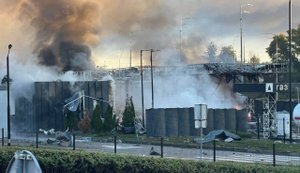
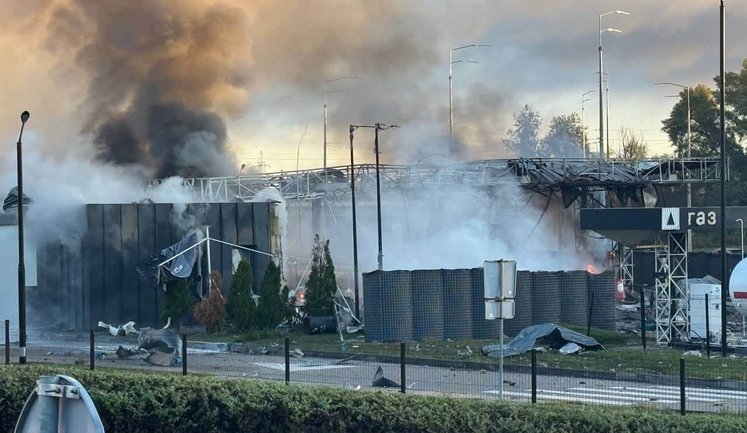
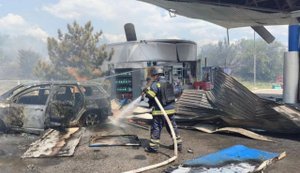
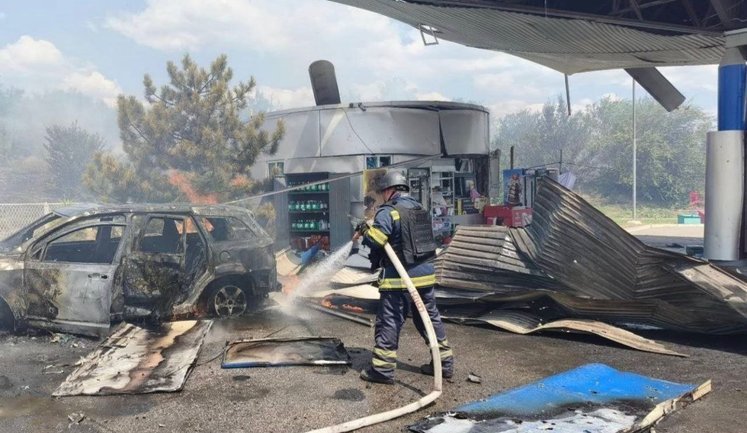
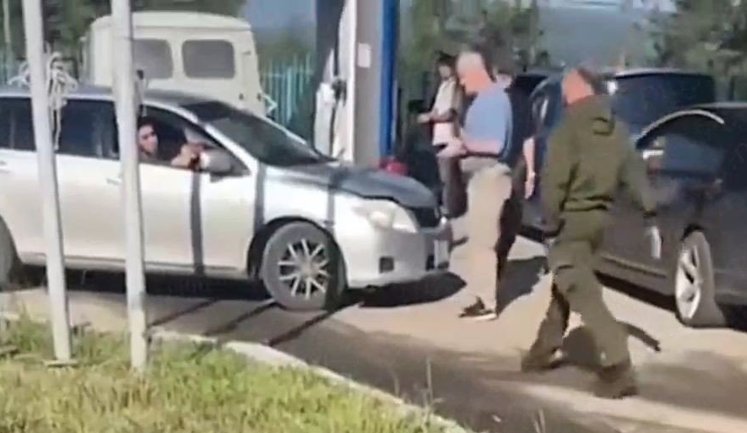
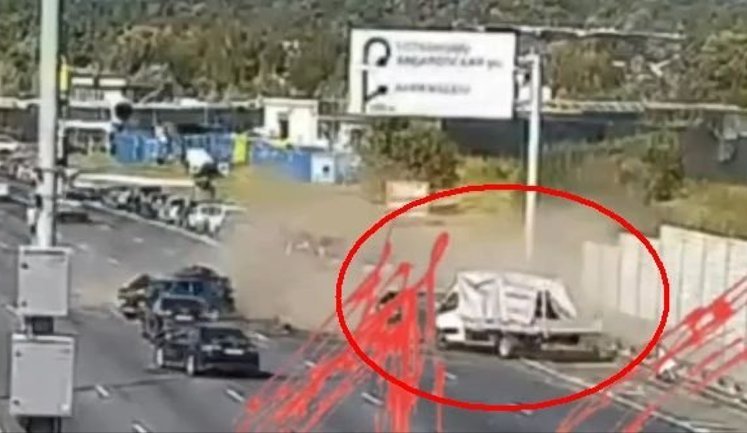
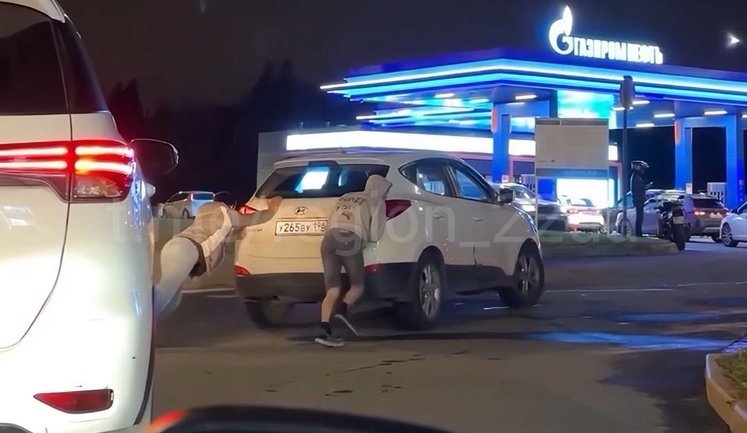
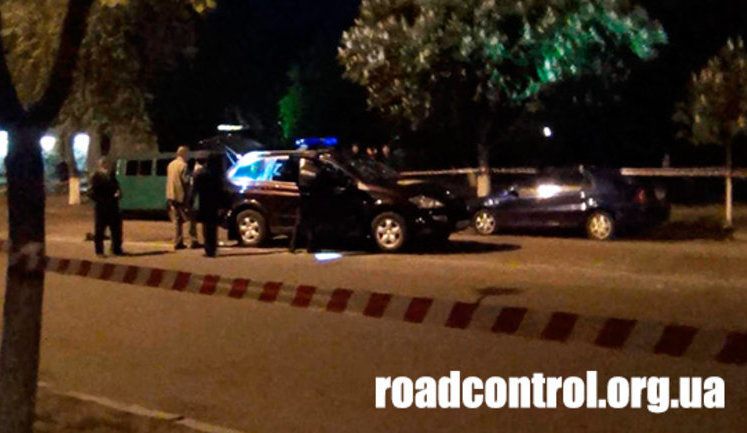
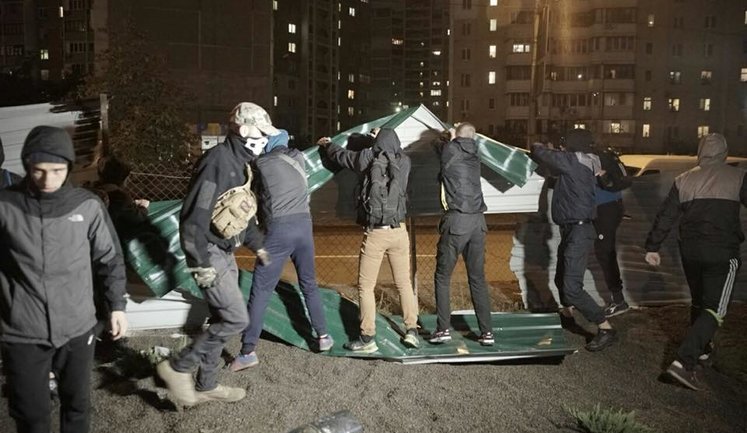
Russia is grappling with a severe fuel crisis, marked by widespread conflicts erupting around gas stations. Video footage reveals chaos and frustration among citizens, as queues stretch for kilometers, and the lack of fuel leads to tension and violence. Confrontations are a common sight, with residents using items such as rebar and baseball bats in disputes. Moreover, attacks on petrol stations in regions like Kharkiv further exacerbate the ongoing crisis. In Moscow, restrictions have been reintroduced, leaving only 28% of stations operational. This crisis highlights the desperation and unrest sweeping across the country as people struggle to fuel their vehicles amidst shortages and long waiting times.
What are the main causes of the fuel crisis at Russian gas stations?
The fuel crisis at Russian gas stations is primarily caused by a combination of factors, including increased demand, disrupted supply chains due to geopolitical tensions, and targeted attacks on infrastructure. These have resulted in long queues, shortages, and even violence among those waiting to refuel.
How have the fuel shortages affected daily life in Russia?
The fuel shortages have had a profound impact on daily life in Russia, causing widespread frustration and inconvenience. Long queues have become a common scene, often leading to disputes and fights. The disruption has also affected businesses and local transport, amplifying economic challenges across affected regions.
Are there any solutions being implemented to address the fuel shortage in Russia?
Russian authorities are attempting to address the fuel shortage by imposing sales restrictions and seeking alternative supply routes. However, these measures have met limited success, and the ongoing geopolitical issues continue to hamper efforts to stabilize the fuel market within the country.
What role do attacks on petrol stations play in the current fuel crisis?
Attacks on petrol stations, particularly in regions closer to conflict zones, have significantly exacerbated the fuel crisis. These attacks lead to infrastructure damage, decreasing the availability of fuel and further complicating the supply challenges faced by Russian citizens and businesses.
How are citizens coping with the fuel shortages at gas stations?
Coping mechanisms include adjusting travel plans, relying on alternative transportation like bicycles or horses, and seeking fuel at night when queues might be shorter. However, these are temporary measures, and many citizens remain frustrated and anxious due to the uncertainty of fuel availability.
What is the government's stance on the ongoing fuel crisis in Russia?
The Russian government has been attempting to downplay the severity of the crisis while working to implement measures to alleviate the shortage, such as controlling the supply and distribution of fuel. However, the effectiveness of these measures is debated, especially amid ongoing geopolitical tensions.
Have there been incidents of violence due to fuel shortages at Russian gas stations?
Yes, multiple incidents of violence have been reported at Russian gas stations due to fuel shortages. Frustrated citizens have resorted to physical confrontations over the chance to refuel, highlighting the heightened tensions and desperation prevalent in many areas experiencing the crisis.