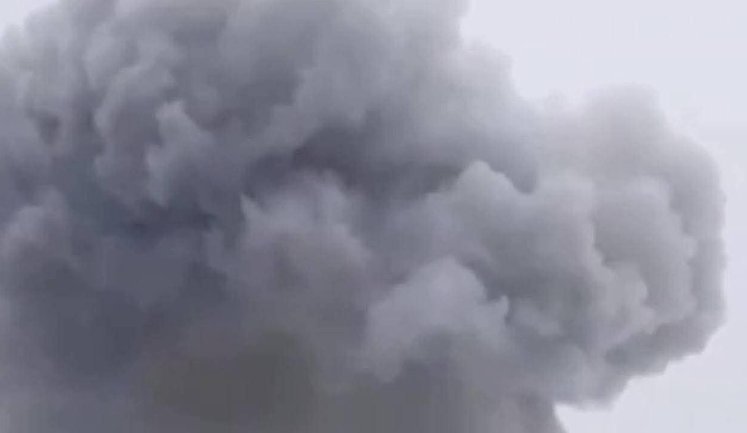
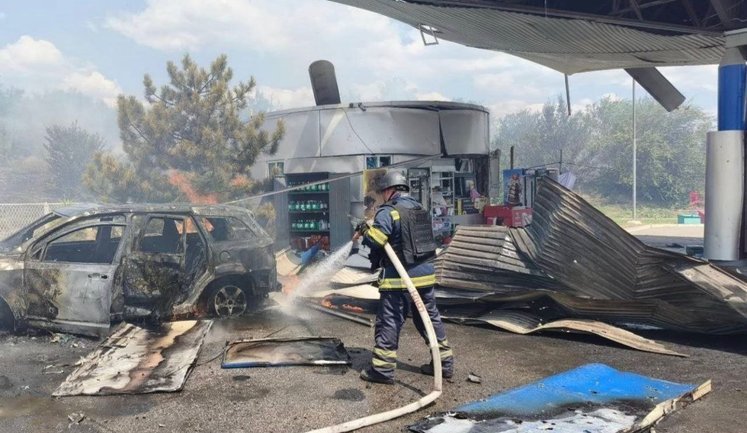
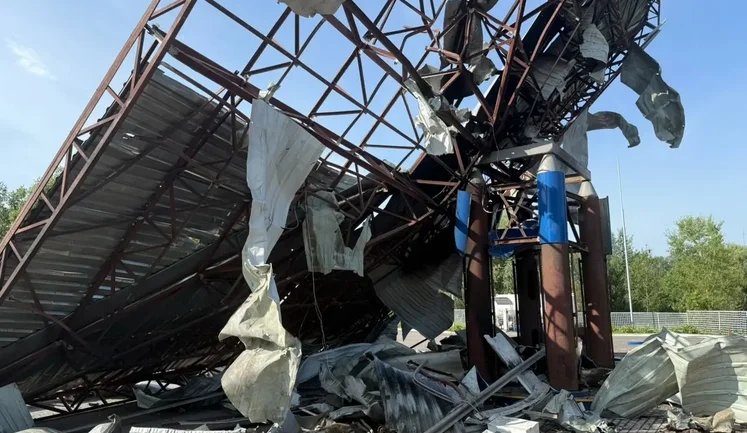
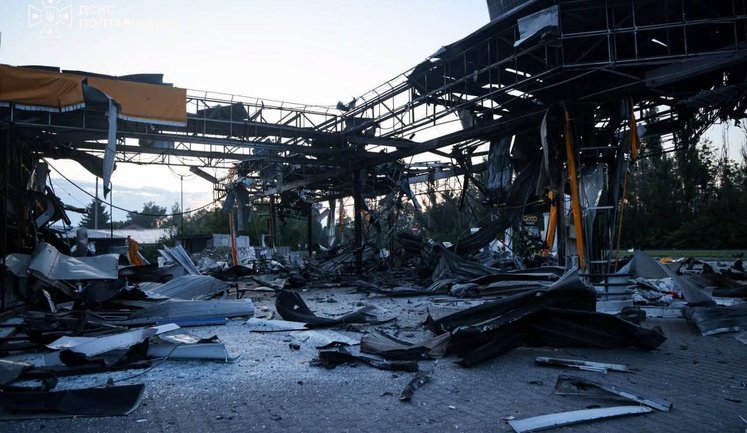
Frequent Russian attacks on gas stations in Ukraine, particularly in frontline regions, highlight the critical infrastructure risks. Authorities have denied reports of total destruction of petrol stations on the Kharkiv–Poltava highway, yet ongoing assaults pose significant challenges. Designating gas stations as critical infrastructure may aid protection efforts. Meanwhile, in response to Russian offensives, certain regions like Dnipropetrovsk and Sumy are implementing safety strategies, including reducing fuel stocks and setting up mobile shelters. The escalation of these attacks underscores the need for coordinated defense strategies to maintain fuel supplies.
Why are gas stations in Ukraine being targeted by Russian forces?
Russian forces are reportedly targeting gas stations in Ukraine to disrupt fuel supply chains and damage critical infrastructure. These attacks create logistical challenges for affected regions and stress local resources, making it harder to sustain civilian and military operations during ongoing conflict.
How are Ukrainian authorities responding to gas station attacks?
Ukrainian authorities are adopting several measures in response to gas station attacks, including denying misinformation, proposing critical infrastructure status for stations in high-risk regions, and introducing protective measures such as reducing fuel stocks and enhancing safety protocols to mitigate risks associated with these attacks.
What impact do gas station attacks have on Ukrainian civilians?
Attacks on gas stations significantly affect Ukrainian civilians by restricting fuel availability, causing injuries, and heightening safety concerns. These disruptions are part of broader efforts to destabilize Ukraine by targeting vital supply chains and critical infrastructure amid ongoing military conflict.
Are there any safety measures in place for gas stations in Ukraine?
Yes, safety measures are being implemented in Ukraine, such as reducing fuel stocks in regions prone to attacks, establishing mobile shelters at gas stations, and coordinating efforts with local authorities and law enforcement to manage disruptions and ensure safety for civilians and staff at these critical facilities.
How are gas station attacks influencing the fuel availability in Ukraine?
Gas station attacks have led to localized fuel shortages and increased logistical challenges in maintaining supply chains. Authorities are working to ensure that these disruptions do not result in widespread fuel scarcity, although targeted regions experience heightened uncertainty and strategic efforts are necessary to stabilize fuel access.
What regions in Ukraine are most affected by the gas station attacks?
Regions such as Kharkiv, Poltava, Dnipropetrovsk, and Sumy are frequently mentioned in reports of gas station attacks by Russian forces. These areas, often near conflict zones, are exposed to heightened risks as part of broader military strategies that target infrastructure critical to regional stability and operational capabilities.
How is the international community reacting to the gas station attacks in Ukraine?
While specific reactions from the international community regarding gas station attacks may not be explicitly outlined, such incidents generally draw condemnation and concern as they target civilian infrastructure, thus calling for diplomatic efforts and assistance aid aimed at bolstering Ukraine's resilience and defensive measures against such disruptions.
What long-term effects could arise from repeated attacks on gas stations in Ukraine?
Long-term effects may include enduring supply chain challenges, increased infrastructure repair costs, and a potential re-evaluation of energy policies to create more resilient systems. Additionally, the necessity to safeguard fuel infrastructure could hinder economic activities and strain resources as protective measures are ramped up in response to sustained threats.