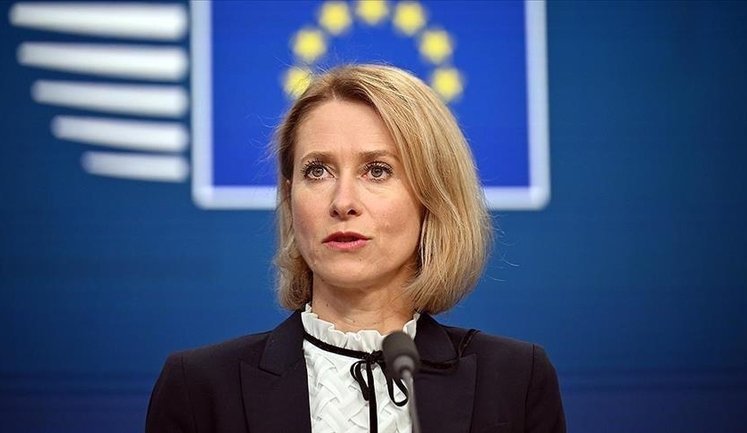
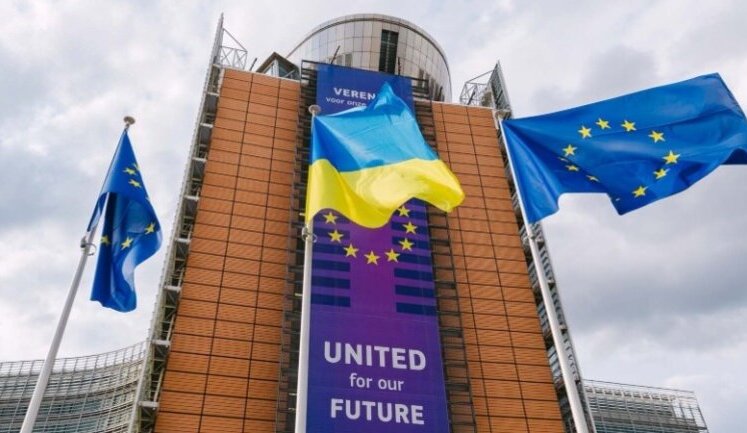
Recent developments involving the European Commission highlight significant challenges and initiatives concerning Ukraine. Slovak Prime Minister Robert Fico's threat to the European Commission regarding sanctions underscores tensions over EU policies. European Commissioner Marta Kos's statement suggests Ukraine's EU accession by 2027 is unlikely, while the Commission plans significant financial assistance for Ukraine. Amid Hungary's controversial interactions with Russia, the Commission seeks clarity, emphasizing EU's stance on transparency and Ukraine's integration. Key actions include promoting energy security for Ukraine and addressing infrastructure damage from the conflict, showing the Commission's dedication to supporting Ukraine in various spheres.
What is the European Commission's stance on Ukraine's EU accession?
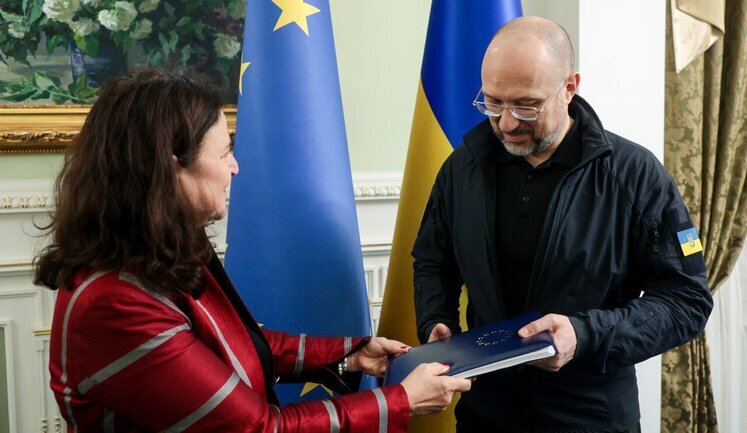
The European Commission has indicated that Ukraine's accession to the EU by 2027 might be unlikely, highlighting ongoing challenges such as legislative and anti-corruption reforms that need to be addressed for Ukraine to meet the necessary criteria for membership in the European Union.
How is the European Commission supporting Ukraine financially?
The European Commission has proposed providing significant financial aid, including a €90 billion loan, to support Ukraine. This assistance is aimed at helping Ukraine stabilize its economy, rebuild infrastructure, and implement necessary reforms for EU integration, demonstrating solidarity with Ukraine's ongoing struggle.
What is the European Commission's response to Hungary's alleged data sharing with Russia?
The European Commission has sought clarification from Hungary regarding reports of data being shared with Russia. This action reflects the Commission's commitment to ensuring that all member states adhere to the principles of transparency and security, especially in dealing with sensitive geopolitical issues.
What measures has the European Commission proposed regarding Russian oil?
The European Commission plans to propose a complete phase-out of Russian oil imports by the end of 2026. This initiative is part of a broader strategy to reduce Europe's energy dependence on Russia, ensuring energy security for EU member states while addressing geopolitical tensions.
How is the European Commission addressing energy issues faced by Ukraine?
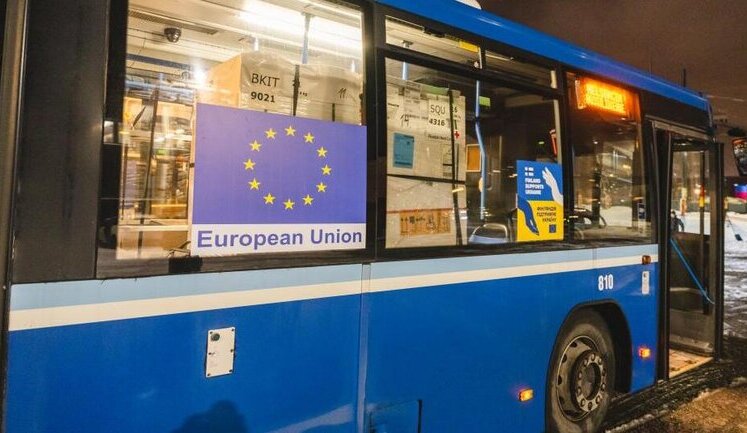
The European Commission has actively provided support to ensure electricity supply for millions in Ukraine, delivering crucial equipment to bolster its energy infrastructure. This support helps Ukraine cope with Russian attacks on its energy facilities, reflecting the EU's commitment to aiding Ukraine's resilience.
What is the European Commission's approach to sanctions against Russia?
The European Commission continues to enforce sanctions against Russia while discussing further sanctions packages. These measures aim to pressure Russia into altering its aggressive actions, providing a unified EU response to uphold international law and support peace efforts in the region.
Is the European Commission involved in Ukraine's anti-corruption efforts?
The European Commission monitors Ukraine's progress in combating corruption, a pivotal aspect of EU accession negotiations. It emphasizes the importance of transparent governance and supports Ukraine's institutions in strengthening democratic procedures and accountability, crucial for EU membership.