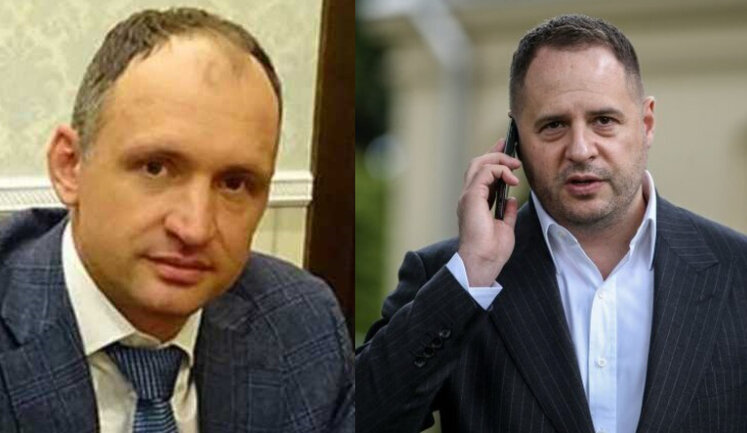
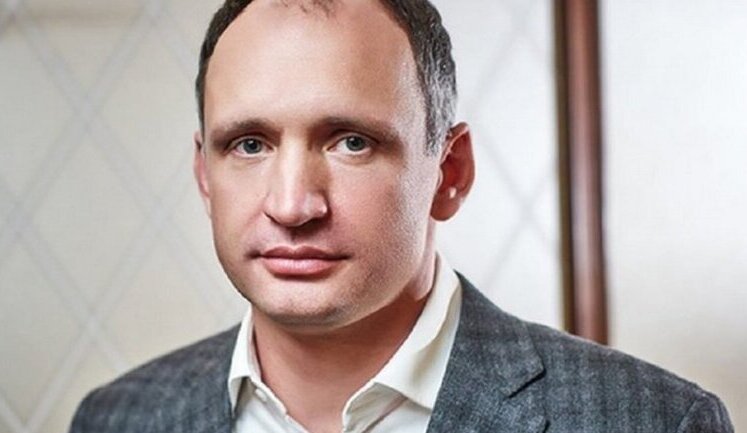
Oleh Tatarov, long a controversial figure in Ukrainian politics, is reportedly being dismissed from his position as Deputy Head of the Presidential Office. The decision comes amidst escalating controversies, including allegations of his involvement in maintaining Russian control over regional Ukrainian power companies and nepotism. Critics argue that Tatarov's dismissal reflects broader issues within President Zelenskyy's administration, namely unfulfilled promises to tackle corruption and nepotism. The dismissal marks a significant shift in Ukraine's political landscape, with many questioning the future control and influence over domestic power entities and law enforcement agencies as Tatarov's role was pivotal in these sectors. This move is seen as critical in efforts to restore public trust and align Ukraine more closely with anti-corruption norms.
What role did Oleh Tatarov play in Ukrainian politics?
Oleh Tatarov served as the Deputy Head of the Presidential Office in Ukraine. He was a significant figure within Volodymyr Zelenskyy’s administration, involved in various political dealings. His role included managing influential sectors like law enforcement and regional power structures. Tatarov was often under scrutiny due to allegations of corruption and nepotism, and his influence extended to the operation of power companies in Ukraine, allegedly aiding in Russian control.
Why is Tatarov being dismissed from the Presidential Office?
Tatarov's dismissal is reportedly due to ongoing controversies involving corruption and nepotism. Accusations have emerged about his role in allowing Russian control over Ukrainian power companies and other shady dealings. His involvement in these activities has drawn criticisms and calls for his resignation. The dismissal is part of a bigger attempt by President Zelenskyy's administration to address internal corruption and enhance transparency within the government.
How does Tatarov's dismissal affect Ukraine's fight against corruption?
Tatarov’s dismissal is seen as a critical step in Ukraine’s fight against corruption, signifying a move towards accountability within high-level government offices. His alleged involvement in corrupt activities highlighted the need for reform and restructuring. By removing such influential figures, Ukraine aims to regain trust both domestically and internationally, showing commitment to tackling systemic corruption that has long plagued its political scene.
What are the allegations of nepotism against Tatarov?
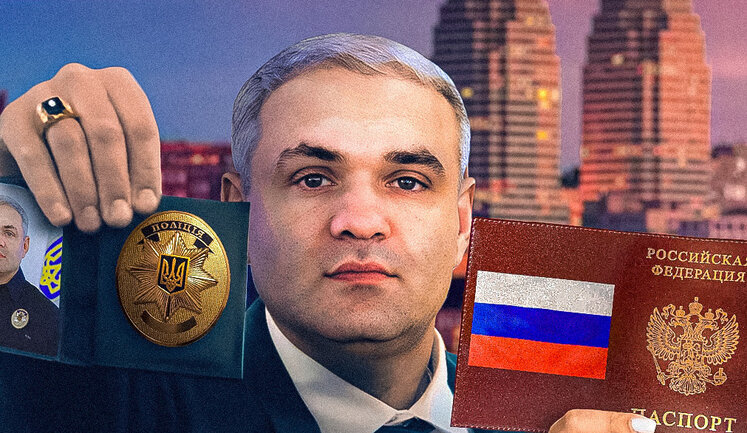
Allegations against Tatarov include using his position to benefit relatives, such as in business ventures linked to his family. Reports suggest connections to lucrative hotel businesses and influential postings in law enforcement held by his acquaintances from his hometown. These connections have sparked widespread criticism, raising concerns about fairness and integrity within the political administration.
Is there evidence of Russian control over Ukrainian power companies linked to Tatarov?
Claims have been made accusing Tatarov of facilitating Russian control over Ukrainian regional power companies. Although direct evidence remains a topic of investigation, reports indicate his involvement in maintaining such influence, which critics argue compromises national security. These accusations contributed to the decision to dismiss him and reevaluate the control mechanisms in place for strategic sectors in Ukraine.
What other promises by President Zelenskyy remain unfulfilled regarding corruption?
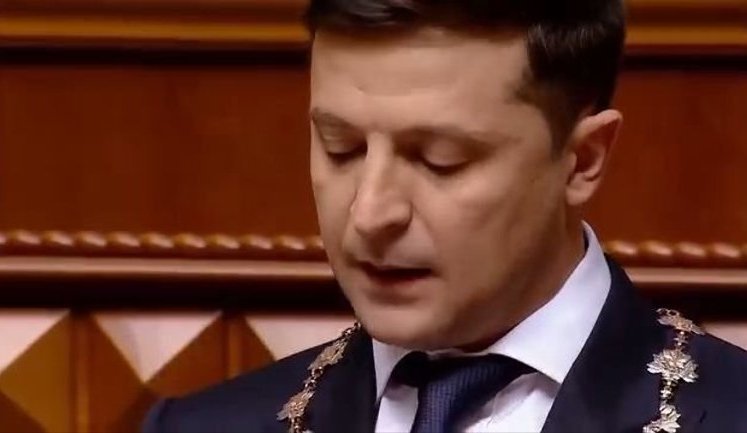
President Zelenskyy entered office with strong anti-corruption promises, including eliminating nepotism, jailing corrupt officials, and reforming governmental transparency. While some progress has been noted, critics highlight ongoing challenges such as influential figures still operating within the administration and delays in legislative reforms. Tatarov's tenure exemplified these unfulfilled promises, as his continued service raised questions on the administration's commitment and effectiveness in battling entrenched corruption.