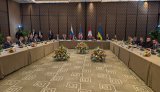
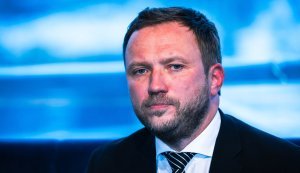
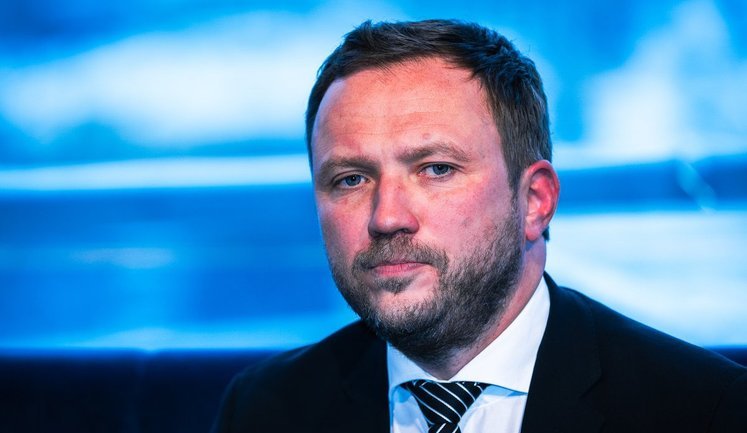
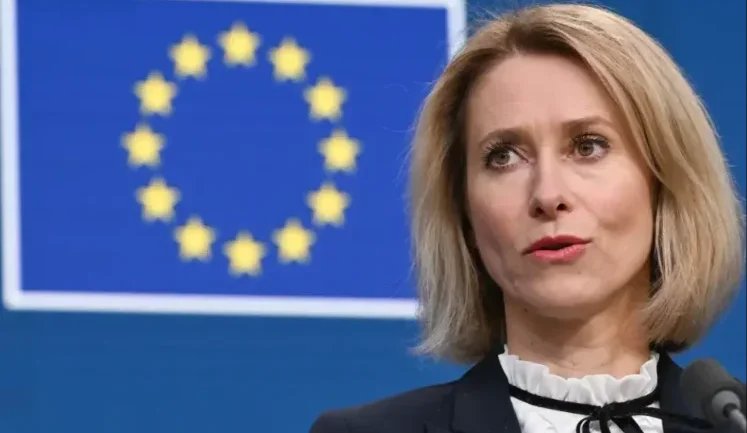
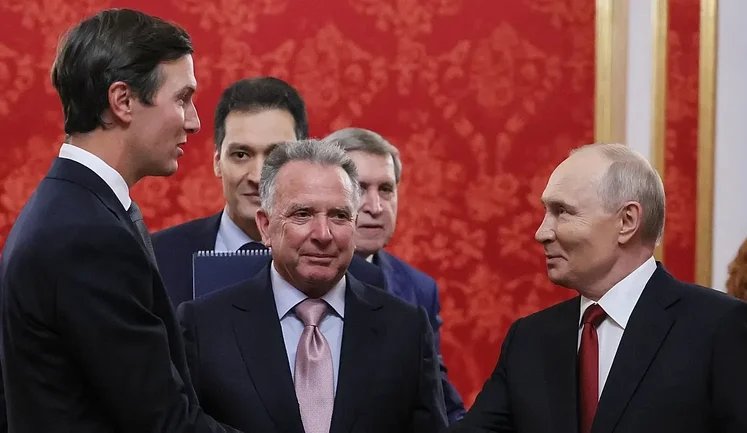
The topic of negotiations with Russia over the war in Ukraine remains heated as Europe and the US grapple with potential strategies. Critics like Estonian Foreign Minister Urmas Tsahkna argue against engaging in a diplomatic charade with Moscow until Russia agrees to a ceasefire, a sentiment echoed by many European leaders. Meanwhile, the US pushes for a new security agreement with Russia but emphasizes the need for Moscow to ease current tensions first. As Ukraine, the US, and Russia plan potential trilateral talks, Europe faces internal debates on its unified approach to ending the war. The necessity of Ukraine's direct involvement in any peace process remains a key point stressed by European states, highlighting the complexity of resuming negotiations with Russia.
What is the current stance of European leaders on negotiations with Russia?
European leaders hold varied positions on negotiating with Russia. Some advocate for a firm stance requiring Russia to cease hostilities in Ukraine before any discussion, while others promote resuming dialogue. However, a common ground is the insistence on Ukraine's pivotal role in any peace negotiations, reinforcing the need for a unified European response to the ongoing conflict.
What is the United States proposing concerning negotiations with Russia?
The United States proposes the development of a new security agreement with Russia aimed at preventing further aggression in Europe. The US calls for Russia to demonstrate tangible steps towards de-escalation. This offer is part of international efforts to establish lasting peace and security in the region amidst ongoing tensions.
Why are some European countries cautious about negotiations with Russia?
European caution stems from a history of mistrust, Russia's continued aggression in Ukraine, and the belief that premature negotiations could undermine Ukraine's strategic position. Ensuring a ceasefire before negotiations and involving Ukraine directly in talks are critical points for European countries seeking a stable and just resolution to the conflict.
What are the key issues to be addressed in talks between Ukraine and Russia?
Key issues for Ukraine-Russia discussions include establishing a reliable ceasefire, addressing security guarantees for Ukraine and European countries, discussing humanitarian concerns, and laying down a roadmap for de-escalation and peace. These topics are pivotal to any diplomatic effort to resolve the ongoing conflict sustainably.
How does the lack of a European consensus affect negotiations with Russia?
The absence of a European consensus complicates diplomatic efforts, potentially weakening the EU's influence in negotiations and creating gaps that Russia could exploit. A united European front is essential to effectively pressure Russia into meaningful talks and support Ukraine's sovereignty and security.
What role does Ukraine's participation play in peace negotiations?
Ukraine's participation is crucial in peace negotiations because it ensures that resolutions address Ukrainian security concerns and interests comprehensively. Excluding Ukraine could lead to agreements lacking legitimacy and sustainability, making its involvement vital for any lasting peace agreement with Russia.
Why does the Kremlin require conciliatory steps from Ukraine for negotiations?
The Kremlin's demand for conciliatory steps from Ukraine reflects its strategic position of retaining leverage in peace talks. However, such expectations raise concerns, as concessions might undermine Ukraine's territorial integrity and sovereignty, highlighting the challenges in finding a mutually acceptable starting point for negotiations.