Ukraine's ongoing battle against corruption has been highlighted by demands from the EU and Germany for decisive action, stressing its importance for EU membership. Recent incidents, like the embezzlement of 102 million hryvnias for tank protection, underscore persistent issues. Despite efforts, a majority of Ukrainians believe corruption has increased since the Russian invasion. NATO's uncovering of a scheme in Donetsk costing 140 million hryvnias further illustrates the scale of the problem. President Zelenskyy acknowledges current anti-corruption measures are insufficient. Continued emphasis on integrity reforms is crucial for Ukraine's EU aspirations.
What steps are being taken by Ukraine to combat corruption?
Ukraine is actively working to combat corruption with initiatives from the National Anti-Corruption Bureau, focusing on high-profile cases in defense and energy sectors. President Zelenskyy and international partners like the EU and Germany emphasize anti-corruption reforms as critical for the nation’s future.
Why is fighting corruption crucial for Ukraine's EU membership?
Fighting corruption is crucial for Ukraine's EU membership because it aligns with European Union standards for transparency and accountability. The EU requires member states to demonstrate a commitment to eliminating corruption to ensure fair governance, economic stability, and uphold the rule of law.
How do Ukrainians perceive the current level of corruption in their country?
The majority of Ukrainians perceive the level of corruption to have increased, particularly since the start of the Russian invasion. Surveys reveal that a significant number of citizens hold the President and government institutions responsible for addressing corruption issues.
What are the impacts of corruption on Ukraine's defense sector?
Corruption has severely impacted Ukraine's defense sector, with cases of embezzlement in procurement processes. For instance, schemes involving tank protection and armored vehicle repairs have resulted in substantial financial losses, weakening Ukraine's defensive capabilities amidst ongoing conflict.
How has international pressure influenced Ukraine's anti-corruption measures?
International pressure, particularly from the EU and Western allies, has significantly influenced Ukraine's anti-corruption measures. It has led to increased scrutiny and calls for transparency. Ukraine is expected to uphold strict anti-corruption standards to further its EU membership prospects and receive international financial support.
What challenges does Ukraine face in enforcing anti-corruption laws?
Ukraine faces challenges like entrenched networks of corruption, political resistance, and limited resources in enforcing anti-corruption laws. Despite establishing bodies like NABU, systemic corruption within bureaucracies and public sectors poses significant hurdles to implementing reforms effectively.
What role does the National Anti-Corruption Bureau of Ukraine (NABU) play?
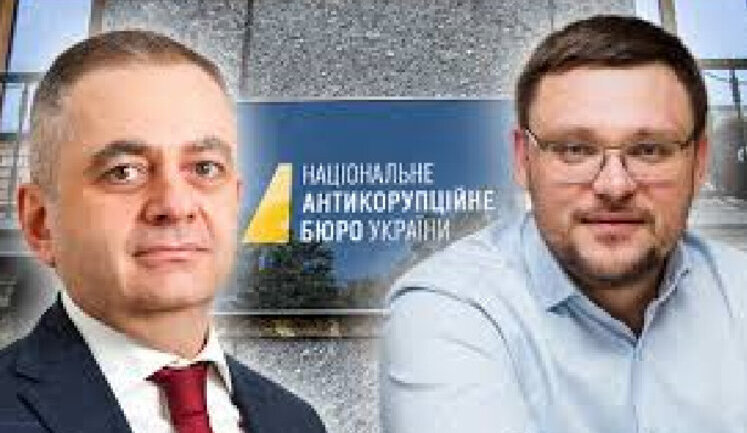
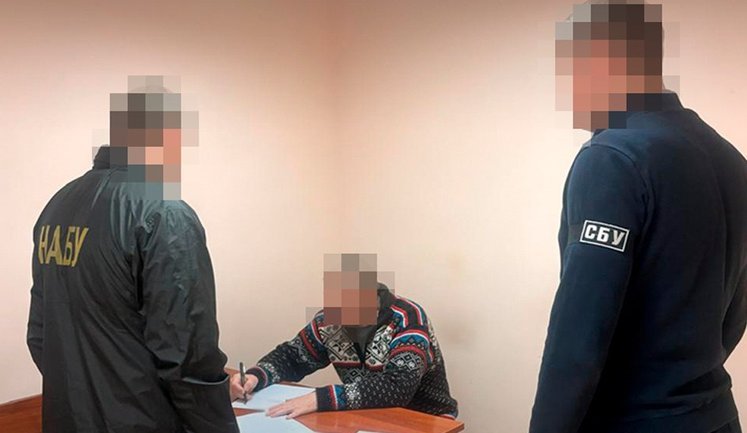
The National Anti-Corruption Bureau of Ukraine (NABU) plays a pivotal role in investigating and prosecuting high-level corruption. It collaborates with international bodies and focuses on major fraud, embezzlement, and bribery cases. NABU's efforts are central to Ukraine's anti-corruption strategy.
How do international organizations view Ukraine's progress in fighting corruption?
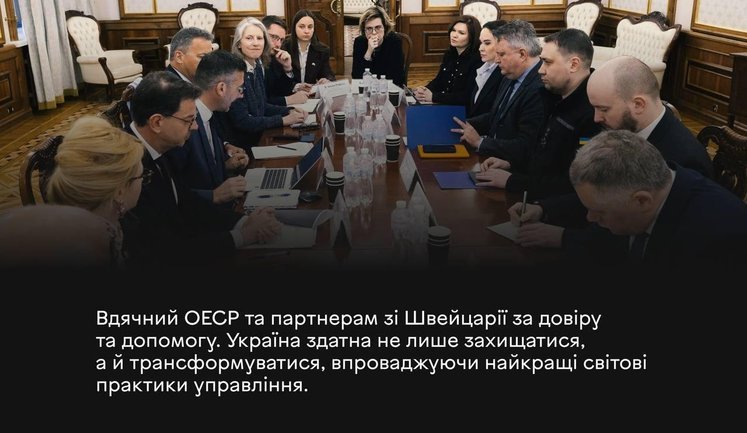
International organizations have a mixed view of Ukraine's progress. While acknowledging some achievements, entities like the European Commission stress the need for continued reforms. The OECD notes significant progress, yet overall assessments emphasize the necessity for sustained efforts and systemic change.