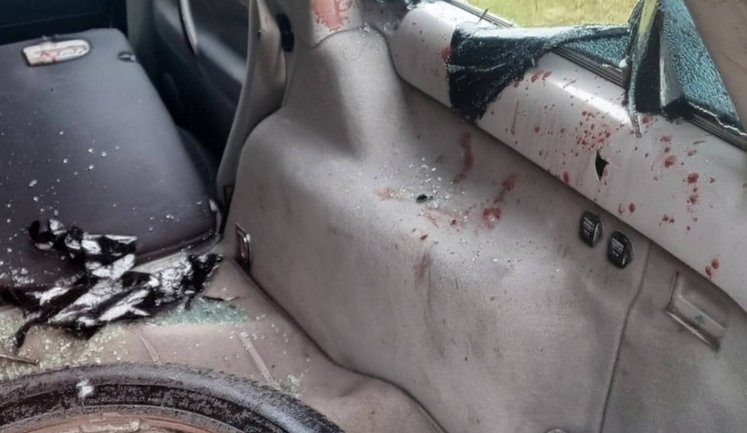
The recent surge in attacks on Territorial Centre of Recruitment and Social Support (TCR) units highlights a pressing issue amid the continuing conflict in Ukraine. Notable incidents include a driver hitting a TCR serviceman in Kropyvnytskyi during a document check and the wounding of a TCR serviceman in Kharkiv. Since the onset of Russia's full-scale invasion, over 600 attacks on TCR units have been reported, resulting in three fatalities. This troubling trend stresses the urgency for different approaches to mobilization. The repeated assaults not only endanger military personnel but also point to broader challenges in Ukraine’s mobilization efforts. Authorities continue to seek and detain attackers, emphasizing the significance of these incidents in regions like Lviv, Vinnytsia, and Odessa.
What is the significance of the recent attack on TCR in Yavoriv?
The attack on TCR in Yavoriv underscores the escalating violence against Ukraine’s recruitment centers. It involved three individuals breaching security and attempting violence, highlighting vulnerabilities in current safeguarding measures for military personnel, thereby intensifying the discourse on the safety of military recruitment efforts.
How have attacks on TCR units affected military morale?
The continuous attacks on TCR units have severely impacted military morale. With over 600 documented incidents and several fatalities, servicemen face increased risks, affecting their willingness to serve and highlighting the need for enhanced protection and revised mobilization strategies.
What measures have been proposed to address the attacks on TCR units?
Authorities have proposed reforms in the mobilization process to enhance security. Key measures include legislative reviews, increased police presence during military operations, and public awareness campaigns to curb civilian interference and attacks on servicemen.
Why are there increasing attacks on TCR servicemen during mobilization efforts?
The increasing attacks are largely fueled by public discord and chaos surrounding the ongoing mobilization efforts in Ukraine. Cases like the stabbing of servicemen in Kharkiv and Lviv indicate widespread resentment and stress endured by the populace, manifesting in violent acts against TCR personnel.
What were the outcomes of the Kharkiv attack on TCR personnel?
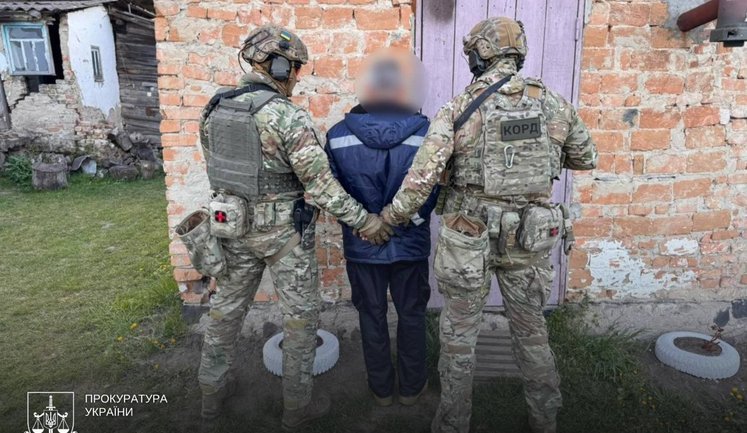
In Kharkiv, the attacker of TCR personnel was apprehended, reflecting the proactive steps by law enforcement in response to violence against military workers. Such resolutions provide a sense of justice and highlight ongoing efforts to protect the personnel involved in recruitment activities.
Do the incidents of attacks on TCR units suggest a broader issue?
The incidents reflect a broader issue of unrest and resistance toward military mobilization amid war. Over 600 attacks signify a critical challenge in Ukraine’s defense logistics, prompting calls for strategic changes and additional security measures to safeguard personnel.
What are TCR's responses to the attacks on their servicemen?
TCR centers have condemned the attacks on their servicemen and called for strict punitive measures against offenders. They continue to collaborate with law enforcement to ensure convicted attackers are prosecuted, reinforcing their stance on safeguarding their personnel.
How has the government reacted to the killing of TCR servicemen?
The government has taken a firm stance by vowing to implement necessary changes in the mobilization process. Criticism from top officials accentuates the urgency to reassess the strategic framework surrounding recruitment efforts to prevent future incidents.