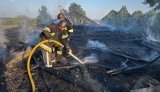
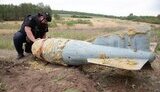
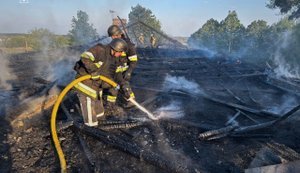
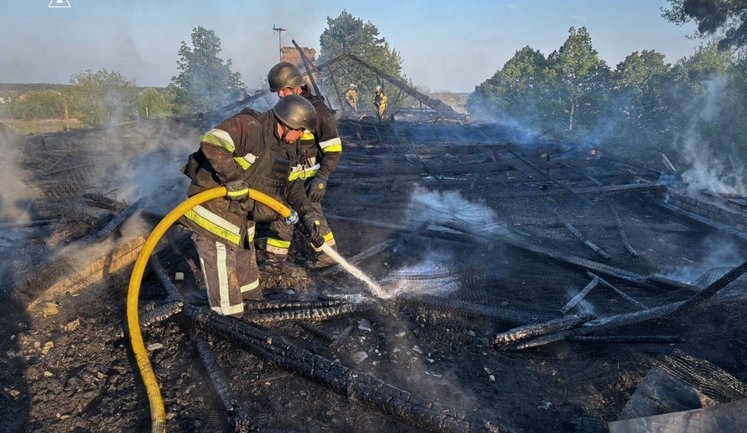
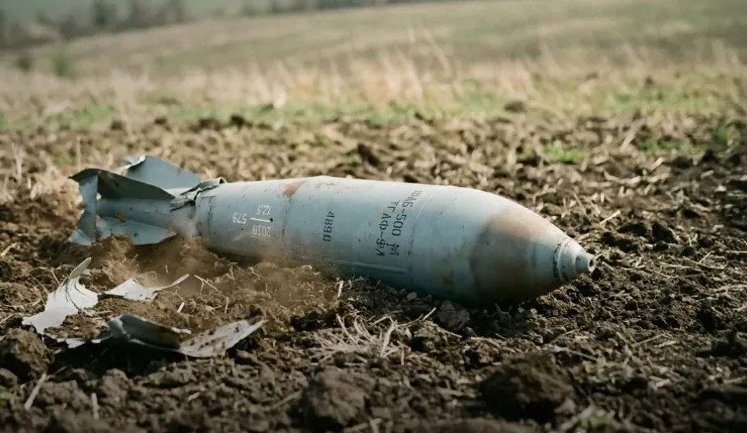
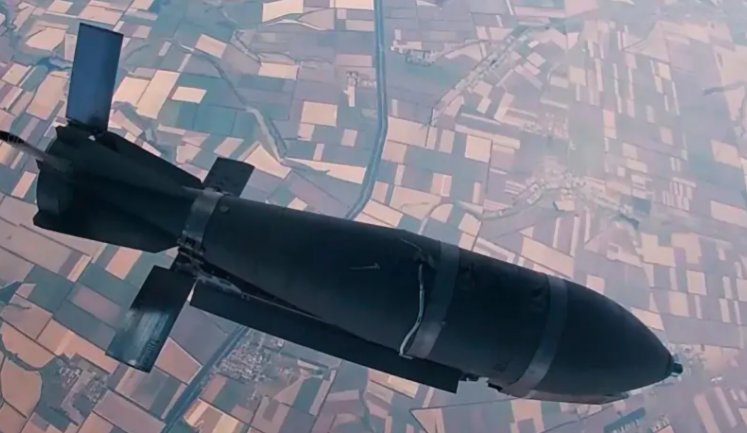
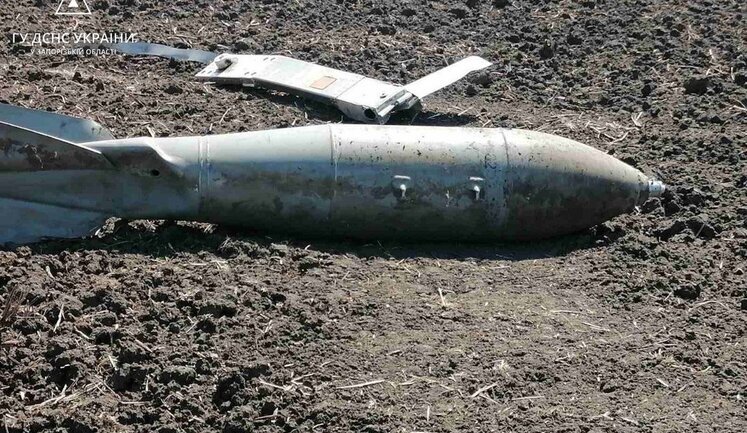
KAB shellings have surged across Ukraine, marking a significant escalation in warfare tactics. According to the Defence Ministry, March saw the use of 7,987 KABs, a record number for the year 2026. The Russian military is amplifying airstrikes to compensate for lack of ground success, utilizing advanced guided bombs with ranges up to 200 kilometers. In January 2026 alone, over 5,700 KABs were deployed, signifying the most intense air campaign since the conflict began. Regions such as Kryvyi Rih and Odesa have been severely impacted. However, Ukrainian air defenses have successfully intercepted some of these threats, providing critical protection. The increased bombardment underscores Russia's strategic shift towards aerial dominance in the ongoing war.
What is the scale of KAB shellings in Ukraine?
KAB shellings in Ukraine have intensified dramatically, with Russian forces launching over 10,000 guided bombs in recent months. The attacks signify a severe escalation in military tactics, impacting several Ukrainian regions.
How many KABs did Russia use in March 2026?
In March 2026, the Russian military used 7,987 KABs, marking the highest number of guided bombs deployed in a single month so far this year. This reflects a significant increase in airstrikes across Ukraine.
Which Ukrainian regions have been most affected by KAB strikes?
Ukrainian regions such as Kryvyi Rih, Odesa, and Zaporizhzhia have been heavily impacted by Russian KAB strikes. These areas have witnessed substantial damage and casualties due to the intensified shellings.
Can Ukrainian air defenses intercept KABs?
Yes, Ukrainian air defense systems have successfully intercepted some KABs. Despite the sophistication of these guided bombs, air defenses play a crucial role in mitigating threats and protecting civilian populations.
What advancements have been made in Russian KAB technology?
Russian forces have enhanced their KAB technology, introducing new standardized guidance modules and extended strike ranges up to 200 kilometers. This advancement reflects a shift towards achieving aerial superiority in Ukraine.
How did the KAB strike impact Kryvyi Rih?
The KAB strike on Kryvyi Rih resulted in significant damage to an industrial enterprise and left one person injured. The attack was part of a broader strategy to apply pressure on Ukrainian frontline settlements.
What was significant about the January 2026 airstrike records?
January 2026 set records with over 5,700 KABs used by Russian forces, marking the most extensive use of guided bombs since the conflict began. This demonstrates an increased focus on air assault strategies.
What measures are in place to counteract KAB threats?
Ukraine has bolstered its air defense systems to counteract KAB threats effectively. Continuous upgrades and international support in defense technology are vital in intercepting these advanced aerial threats.
What are the implications of increased KAB shellings on ceasefire talks?
The rise in KAB shellings complicates ceasefire negotiations, increasing military clashes and disrupting diplomatic efforts. These actions underscore the ongoing volatility and complexity of reaching a peaceful resolution.
How has the frequency of KAB attacks evolved since the invasion began?
The frequency of KAB attacks has escalated significantly, with Russian forces employing more guided bombs as part of a strategic shift. This evolution highlights a growing reliance on aerial warfare in the conflict.