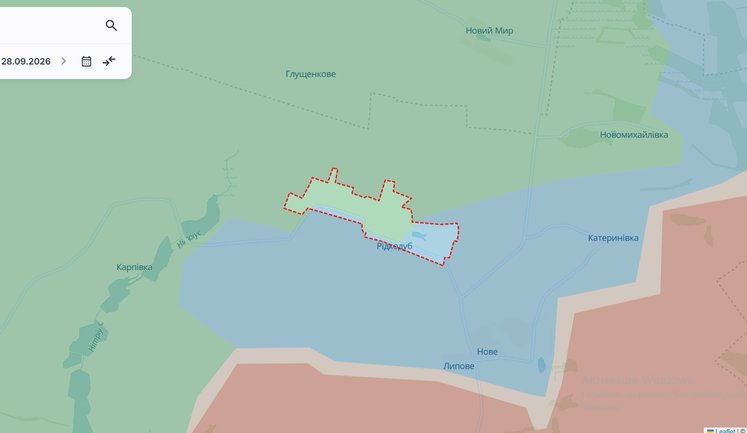
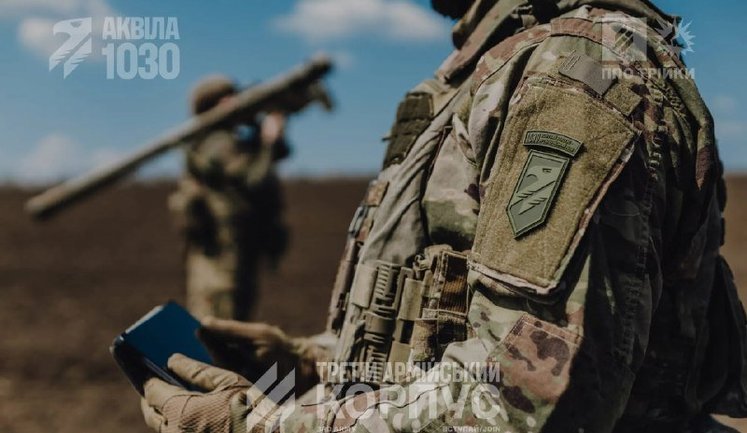
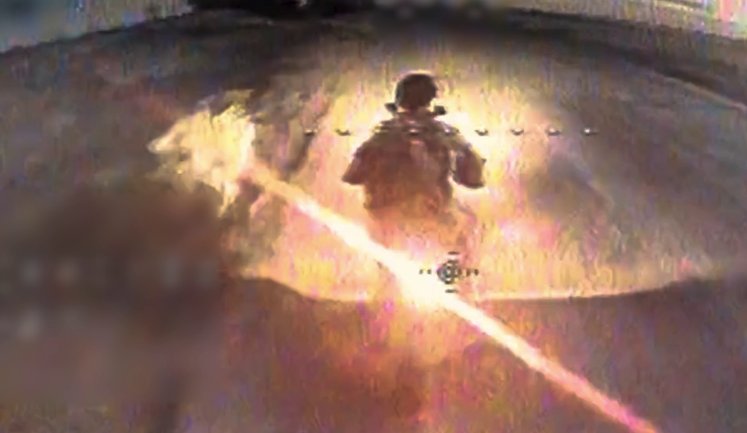
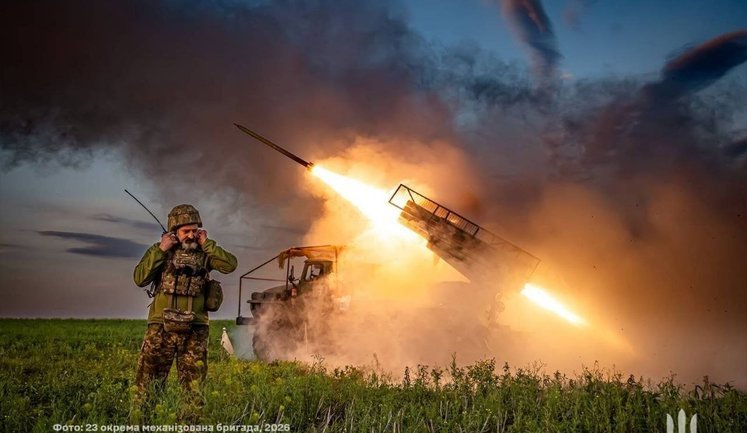
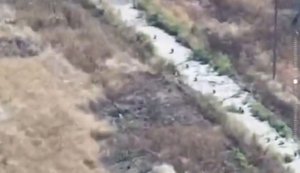
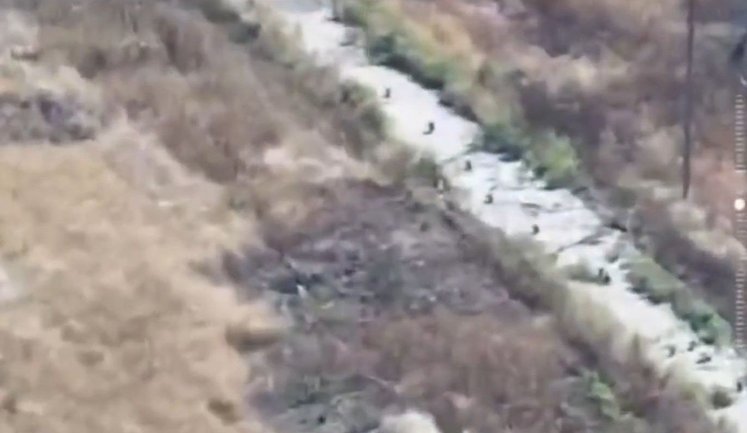
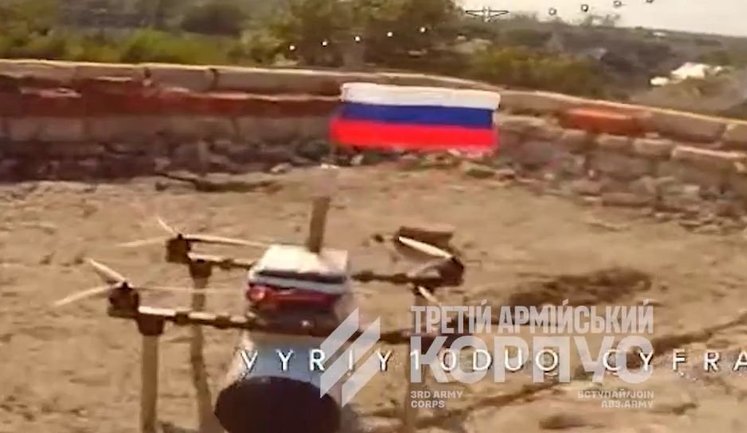
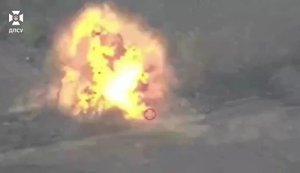
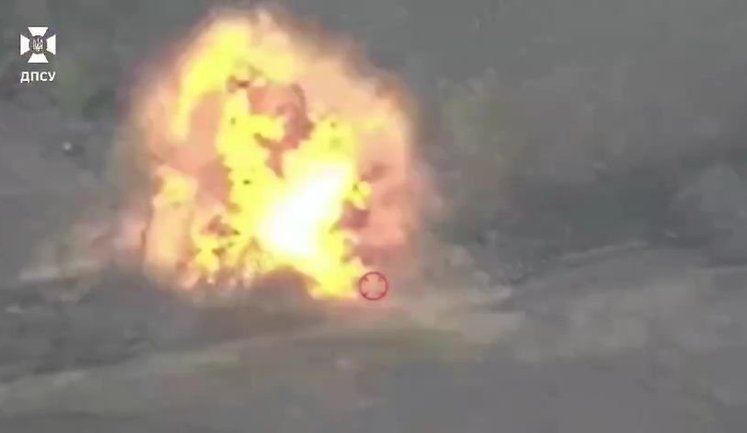
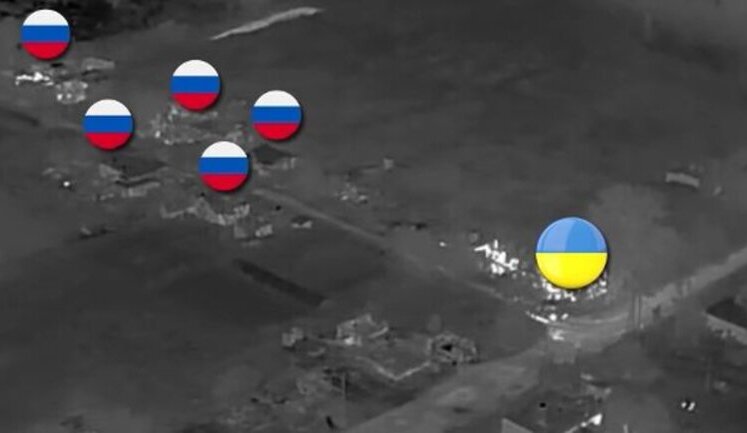
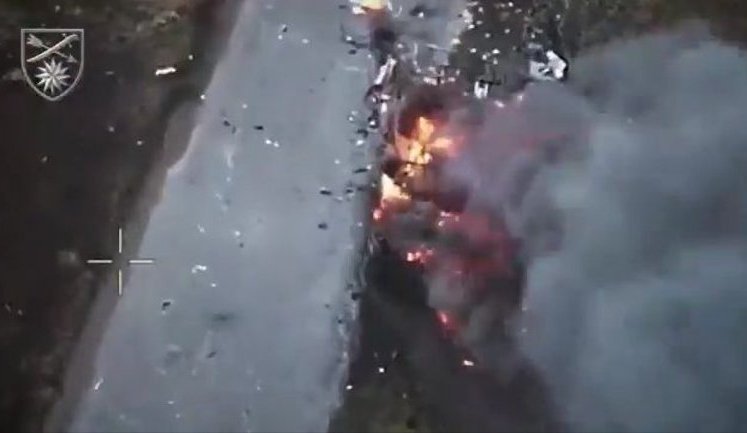
The Lyman sector has become one of the most hotly contested areas in the ongoing hostilities. Recent reports indicate that Russian forces have intensified their focus on this region, facing substantial setbacks. Notably, the SIGNUM battalion successfully eliminated several Russian infiltrators in a recent operation, showcasing the prowess of the Ukrainian defense forces. Meanwhile, Russian tactics have shifted towards utilizing small infantry groups attempting to penetrate the Ukrainian defenses stealthily. Despite their efforts, record losses have been reported among the occupiers, particularly as they face relentless attacks from both ground and aerial units of the Ukrainian defense forces. The Ukrainian General Staff highlights that over the past 24 hours alone, there were numerous engagements, with Lyman remaining a focal point of conflict due to its strategic importance for both parties involved.
What is the current situation in the Lyman sector?
The Lyman sector is experiencing intense military activity, with Russian forces attempting to infiltrate and control the area. However, they are encountering effective resistance from Ukrainian units, suffering significant losses in personnel and equipment.
How have Russian tactics changed in the Lyman sector?
Russian forces have adjusted their tactics by deploying small infantry groups meant to infiltrate Ukrainian defenses. This change aims to minimize detection but has, so far, resulted in substantial casualties due to the vigilance of Ukrainian forces.
What role does the SIGNUM battalion play in Lyman's defense?
The SIGNUM battalion is crucial in defending the Lyman sector, executing several successful operations against Russian forces. Using drones and advanced tactics, they have eliminated a significant number of enemy combatants and dismantled Russian efforts to secure positions.
Why is the Lyman sector significant in the current conflict?
The Lyman sector holds strategic importance as controlling it could provide tactical advantages such as enhanced communication lines and logistic support routes for military operations. Both Russian and Ukrainian forces recognize its value, resulting in intense battles.
Have Ukrainian forces suffered losses in the Lyman sector?
While specific details on Ukrainian casualties are less frequently disclosed, the focus remains on the substantial Russian losses and successful Ukrainian defensive actions in the Lyman sector. Ukrainian forces continue to adapt and counteract Russian strategies effectively.
What kind of military engagements are happening in the Lyman sector?
The Lyman sector witnesses a variety of military engagements, including drone strikes, artillery battles, and infantry skirmishes. Ukrainian forces have successfully repelled numerous Russian offensives, reducing the enemy's offensive capabilities.
How is morale among Ukrainian troops in the Lyman sector?
Morale among Ukrainian troops is reportedly high, bolstered by successful operations and strategic victories against Russian forces. The effectiveness of units like the SIGNUM battalion has helped maintain this positive outlook amidst ongoing conflict.