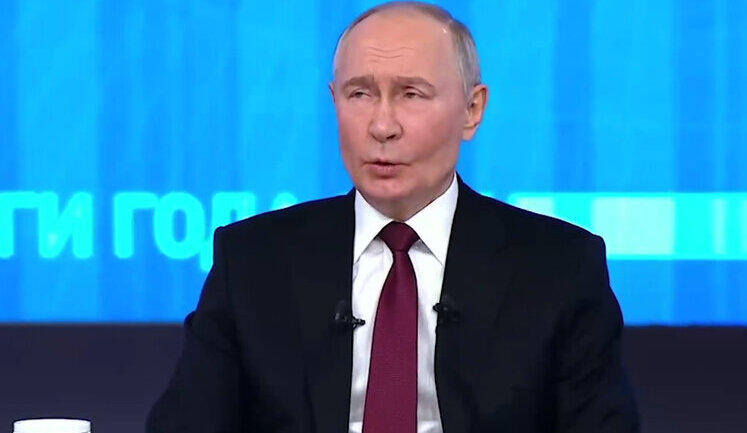
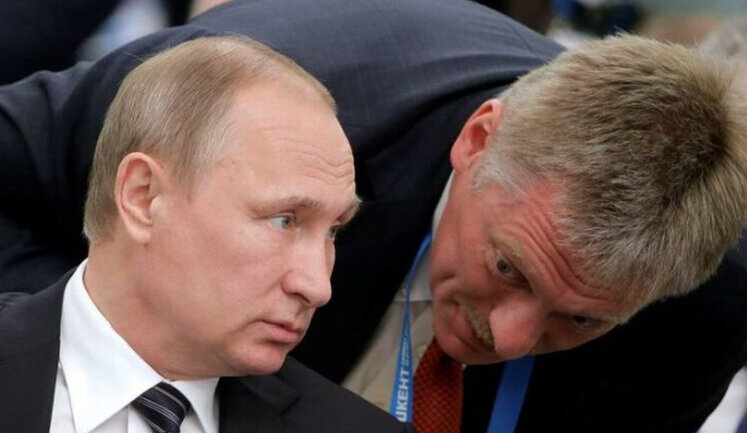
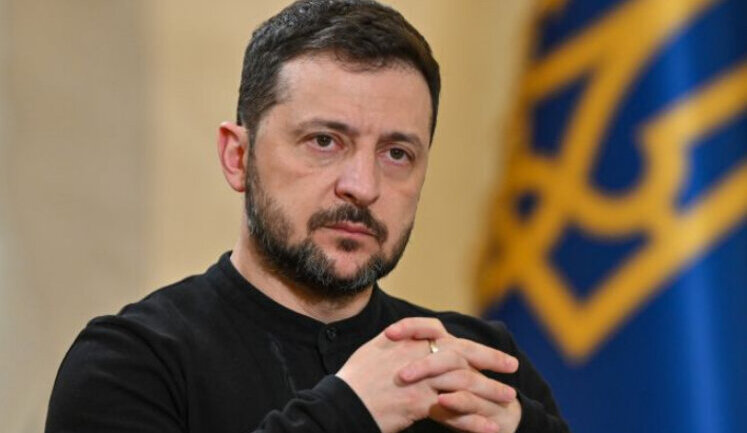
Ukraine proposed an Easter ceasefire to ease tensions during the war, seeking support from the US. However, the proposal received mixed responses. Ukrainian President Volodymyr Zelenskyy discussed the truce with British Prime Minister Keir Starmer to end the conflict. The Kremlin, through spokesman Dmitry Peskov, claimed the proposal lacked clarity. Despite Putin's offer for direct talks, skepticism remains about Russia's intentions, especially after recent violations involving drone and missile attacks. The tense climate is further exacerbated by mutual accusations of truce violations, creating challenges for potential peace. Ukraine remains open to a 30-day ceasefire if Russia cooperates.
What was Ukraine's proposal for the Easter truce?
Ukraine proposed an Easter truce aimed at halting military actions temporarily to reduce violence. President Zelenskyy sought support from international partners, including the US, to push for this initiative and bring about a peaceful resolution to continued hostilities with Russia.
How did Russia respond to the Easter truce proposal?
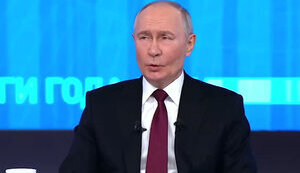
Russia's response to Ukraine's Easter truce proposal was mixed. While President Putin offered discussions on a ceasefire, Kremlin spokesman Dmitry Peskov noted that there was no clearly formulated initiative from Ukraine. Additionally, Russian military actions during the proposed truce period raised doubts about their commitment to peace.
What happened during the proposed Easter truce period in Ukraine?
During the proposed Easter truce period, despite intentions for peace, Russian forces conducted missile and drone attacks on Ukrainian territory. This escalation contradicted the ceasefire aims, resulting in skepticism about Russia's genuine intentions for peace and further complicating diplomatic efforts.
Why did Zelenskyy discuss the truce with British Prime Minister Keir Starmer?
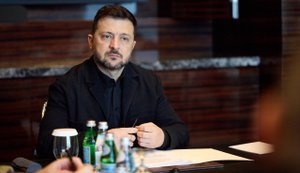
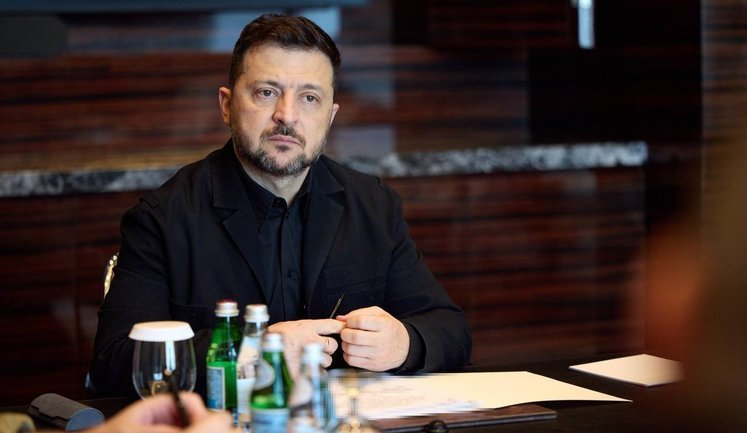
Zelenskyy discussed the truce with British Prime Minister Keir Starmer to gain international support for Ukraine's ceasefire initiative and to increase diplomatic pressure on Russia. The discussion aimed at coordinating with international allies to bring an end to the ongoing conflict through multilateral efforts.
What challenges did the Easter truce face?
The Easter truce faced significant challenges, including lack of clear initiative, and mutual accusations of violations by both Ukraine and Russia. Despite the call for peace, military actions persisted, harming trust and complicating negotiation processes necessary for achieving a lasting ceasefire.
What was the international reaction to the Easter truce efforts?
The international reaction to the Easter truce efforts was cautious. While there was support for reducing hostilities, skepticism remained about Russia's commitment to peace due to ongoing military operations during the truce period. International partners like the US were urged to support Ukraine's peaceful resolution efforts.