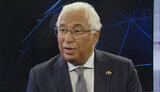
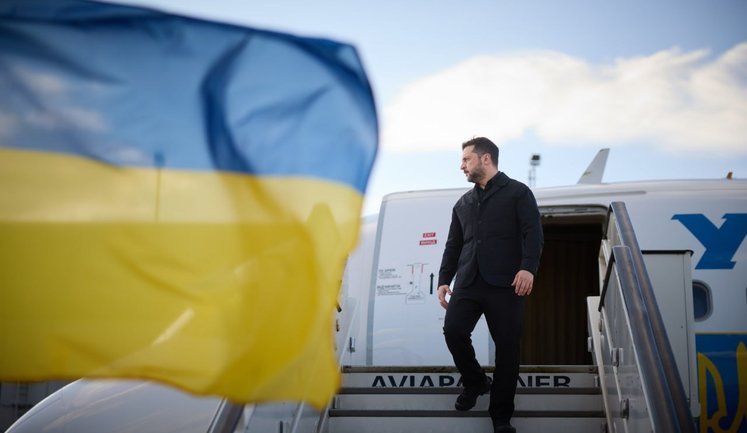
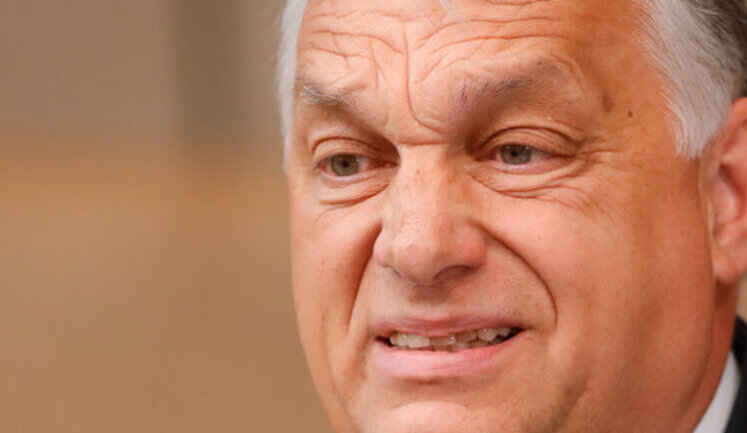
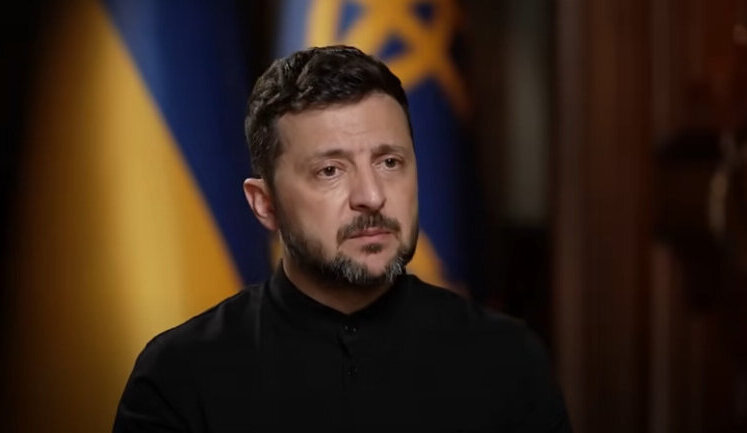
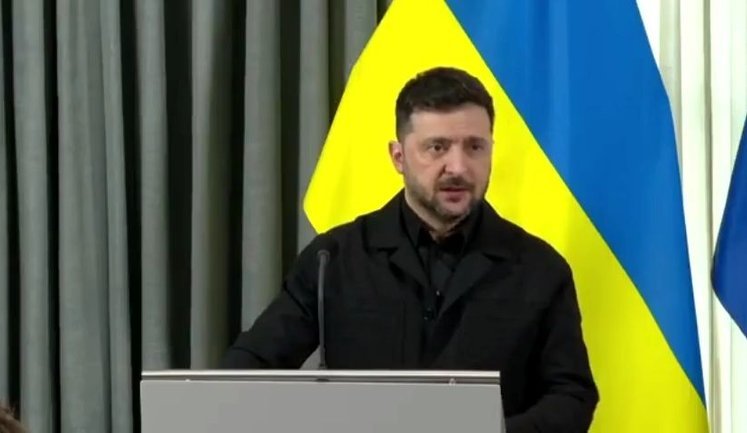
The EU summit in Brussels has become a focal point for significant discussions regarding the use of frozen Russian assets to support Ukraine. Despite intensive deliberations, European Union leaders have yet to reach an agreement. Key issues include a proposed "reparations loan" for Ukraine, which is a matter of deep complexity among member states. Ukrainian President Volodymyr Zelenskyy attended the summit, emphasizing the need for financial support. The lack of unanimous consent, notably obstructed by Hungary, has delayed the official joint statement in support of Ukraine. As the summit progresses, the EU's approach to funding Ukraine remains uncertain, highlighting ongoing geopolitical and financial challenges in the region.
Why was the EU unable to reach an agreement on frozen Russian assets?
The EU summit faced difficulties in agreeing on the use of frozen Russian assets for Ukraine due to differing views among member states on financial and legal implications. Hungary's opposition further complicated unanimous decision-making. The complexity of asset management and potential diplomatic repercussions also stalled the consensus.
What role does President Zelenskyy play at the EU summit?
President Volodymyr Zelenskyy plays a crucial role at the EU summit by advocating for Ukraine's financial needs. His presence signifies Ukraine's diplomatic push for support. Zelenskyy's involvement underscores the importance of international backing in Ukraine's recovery efforts, with discussions focusing on reparations and asset usage.
How does Hungary's stance affect the EU summit decisions?
Hungary's opposition to a joint statement supporting Ukraine disrupts the EU's ability to present a unified front. This lack of unanimity in decision-making affects the EU's capacity to effectively address and support Ukraine's financial needs. Hungary's stance highlights internal EU challenges in achieving consensus on foreign policy.
What is a "reparations loan" and why is it significant for Ukraine?
A "reparations loan" involves using frozen Russian assets to aid Ukraine as compensation for damages incurred from the conflict. This loan is significant as it aims to provide much-needed financial support, assisting Ukraine in rebuilding its economy and infrastructure amidst ongoing geopolitical tensions and recovery efforts.
What are the main challenges facing the EU in using Russian assets?
The EU faces several challenges in using Russian assets, including legal hurdles concerning ownership rights, potential diplomatic repercussions, and achieving consensus among diverse member state opinions. These challenges complicate the straightforward use of assets for Ukraine, requiring careful negotiation and policy crafting.
Why is the EU summit focused on discussions about Ukraine?
The EU summit is focused on discussions about Ukraine due to the ongoing conflict and its significant impact on European security and economy. Supporting Ukraine aligns with EU interests in stabilizing the region, addressing humanitarian concerns, and upholding international law against Russian aggression.