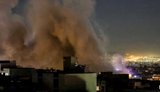
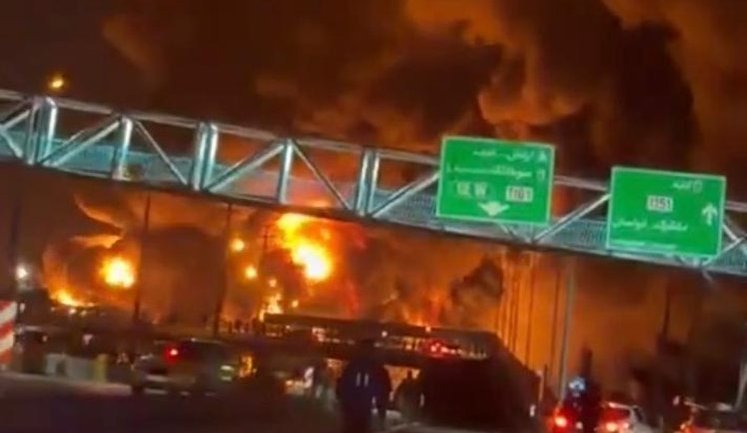
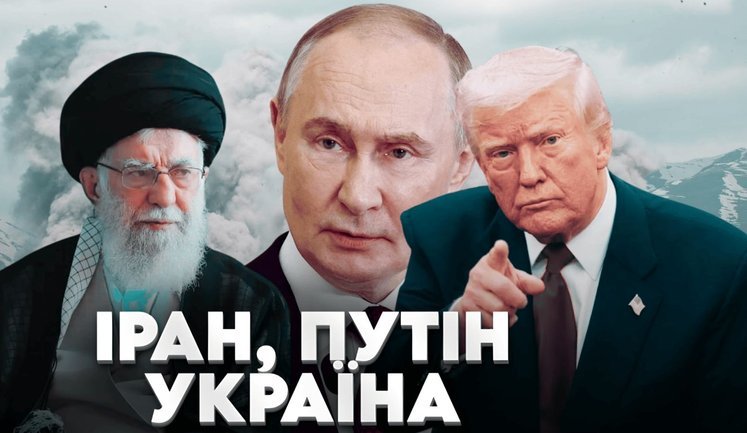
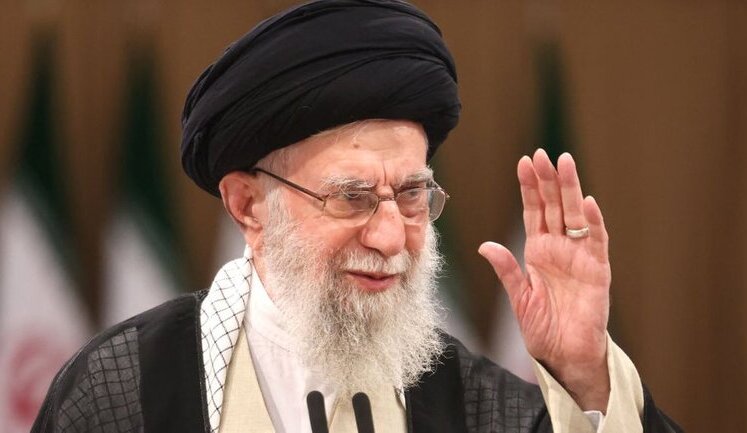
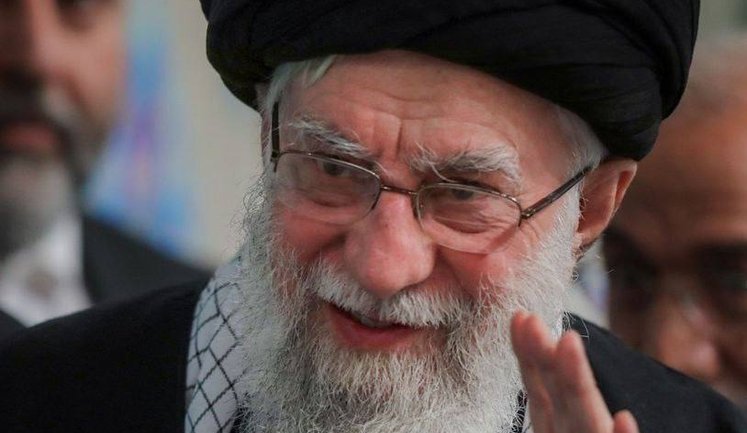
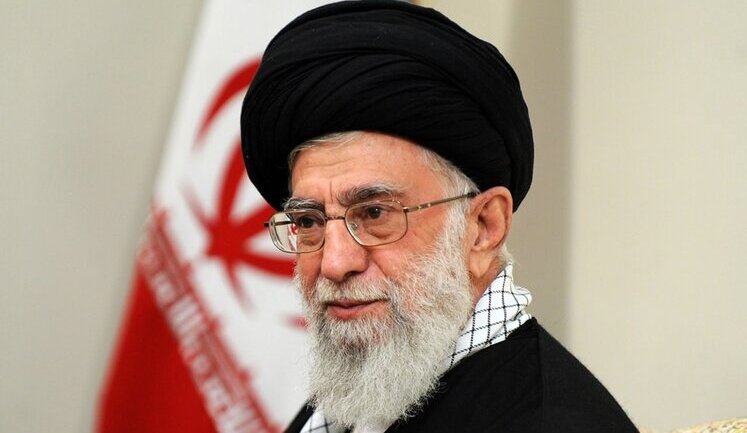
The prospect of regime change in Iran has sparked significant geopolitical shifts in 2026. The recent death of Iran's Supreme Leader Khamenei, as confirmed by Iranian state media, and the ensuing 40-day mourning period underscores the turbulence within the nation. This has prompted a series of military and political maneuvers globally, with the United States and Israel conducting operations, while Russia and China allegedly provide military aid to Iran. Meanwhile, the US faces challenges in the Middle East, including a ballistic missile strike on Israel by Iran and drone attacks on Dubai International Airport, exemplifying Iran's growing aggression. In this volatile environment, the US has chosen a strategic engagement, emphasizing that while they are prepared to intervene if peaceful protesters are targeted brutally, the aim is not a protracted war. The shift in US foreign policy indicates an increased focus on Middle Eastern affairs, potentially sidelining ongoing negotiations involving the Ukraine-Russia conflict. This shift presents both risks and opportunities for global stability, as nations navigate the implications of a potential regime change in Iran.
What is the current situation regarding regime change in Iran?
The Iranian regime is under significant pressure following the death of Supreme Leader Khamenei due to coordinated strikes by Israel and the United States. This event has precipitated unrest within the country as well as regional tensions, exacerbated by Iran's aggressive military actions. However, while protests continue, experts like German Foreign Minister Johann Wadephul believe the regime is on the brink of collapse only due to the violence against its population.
How does the regime change in Iran affect global politics?
The potential regime change in Iran significantly influences global political dynamics. With Iran's allies, such as Russia and China, alleged to be providing military support, tensions are high. The shift captures US attention, which might reduce focus on Ukraine-Russia negotiations. Furthermore, increased hostility in the Middle East affects global energy markets and military alliances, altering the geopolitical landscape.
What is the stance of the United States on the regime change in Iran?
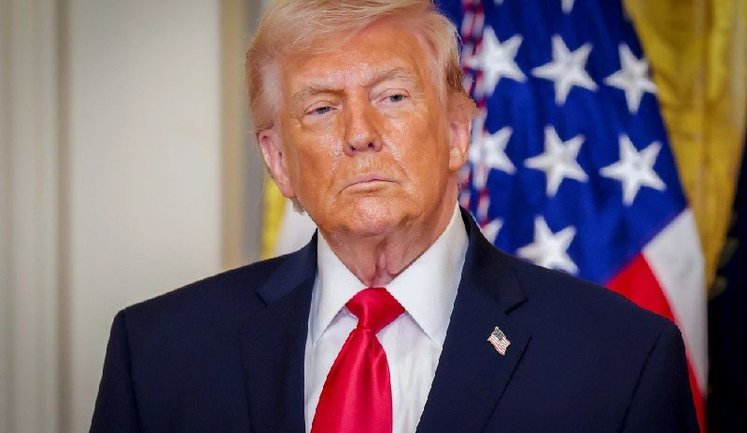
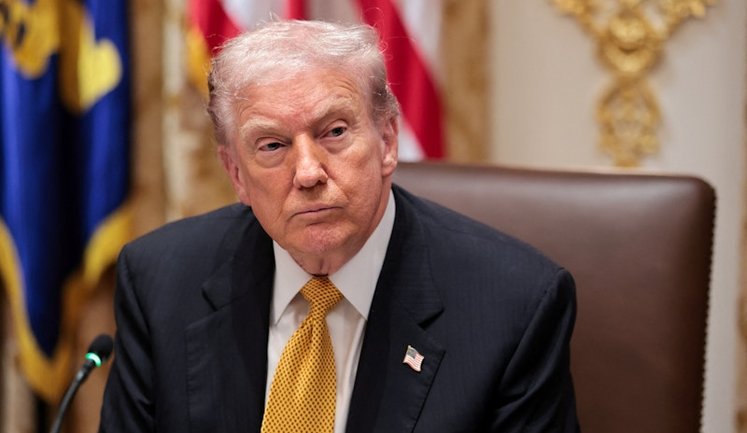
The United States, led by President Trump, has adopted a cautious approach towards the situation in Iran. While military actions have targeted key Iranian military assets, Trump has emphasized a desire to avoid a prolonged conflict. Additionally, Trump's administration has stated readiness to intervene if the Iranian government engages in violent crackdowns on peaceful protests, indicating support for civil society efforts.
How has the Middle East reacted to the regime change in Iran?
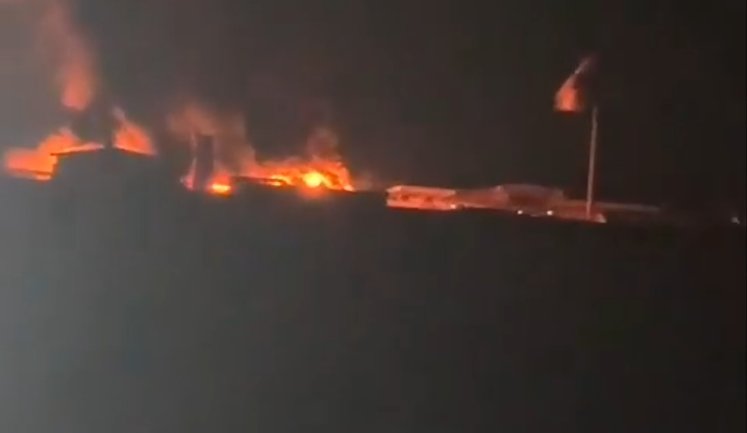
Regional reactions to the potential regime change in Iran have been highly variable. Military operations, such as Israeli airstrikes on Iranian infrastructure and retaliatory actions by Iran, highlight the increased volatility. Meanwhile, discussions between the US and South Korea consider the redeployment of Patriot missile systems, illustrating concern over stability and air defense capabilities in the region.
How might regime change in Iran impact Ukraine's situation?
The developments in Iran could have collateral effects on Ukraine, as the US diverts attention to Middle Eastern concerns, potentially impacting its involvement in Ukraine-Russia negotiations. Ukrainian President Zelenskyy has highlighted the challenges posed by Iranian drones in the conflict and discussed potential measures with international allies to strengthen defense mechanisms against these aerial threats.
What are the economic implications of a regime change in Iran?
The economic implications are profound, given Iran's significant oil resources. Any disruption in its production due to political instability could cause fluctuations in global energy markets, leading to potential price hikes. This situation also emphasizes the vulnerability of global supply chains and highlights the need for diversified energy strategies among dependent countries.
Are Iran's alliances a factor in the ongoing conflict?
Yes, Iran's alliances play a critical role in the conflict dynamics. Reports indicate Russia and China are supporting Iran militarily, complicating the geopolitical landscape. This support emboldens Iran's strategic position but also attracts countermeasures from opposing nations, further escalating regional and global tensions as diplomatic solutions remain elusive.
Will the unrest in Iran lead to a definitive regime change?
While the unrest signals significant dissatisfaction with the current regime, it's uncertain if it will lead to a definitive regime change. Thus far, the regime has countered protests with force, and the international community is cautious in its interventions to avoid deepening the conflict. Observers are closely watching developments, understanding that both internal dynamics and external pressures will shape Iran's future political path.
How are international organizations responding to Iran's situation?
International organizations, including the European Union, have imposed sanctions on Iran for suppressing protests and supporting Russia's war against Ukraine. These sanctions aim to weaken Iran's political and economic position and encourage a shift towards respecting human rights and pursuing resolutions peacefully. The global response emphasizes diplomatic pressure while evaluating further steps based on Iran's actions.
What potential solutions exist for the crisis in Iran?
Potential solutions to the crisis in Iran revolve around diplomatic dialogue, supported by international mediation involving key stakeholders in the Middle East and global powers. There is also a call for strengthening support for Iranian civil society to foster a peaceful transition. Acknowledging regional security concerns and addressing the humanitarian needs of civilians are critical components in achieving a sustainable resolution.