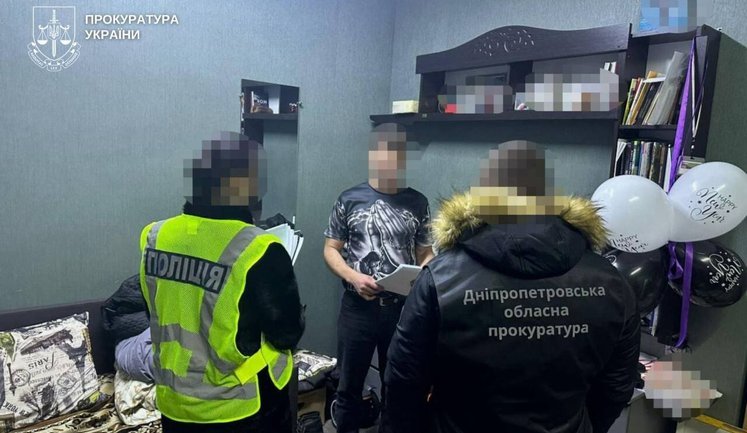
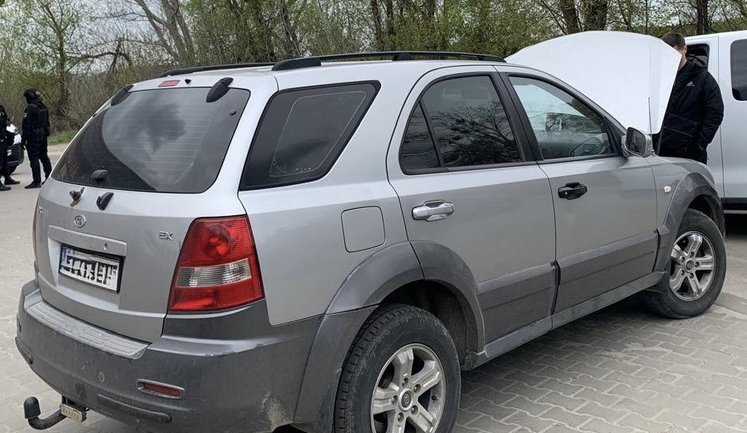
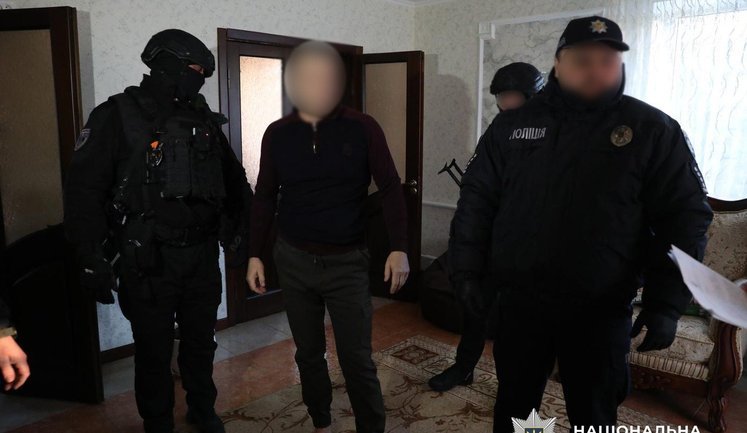
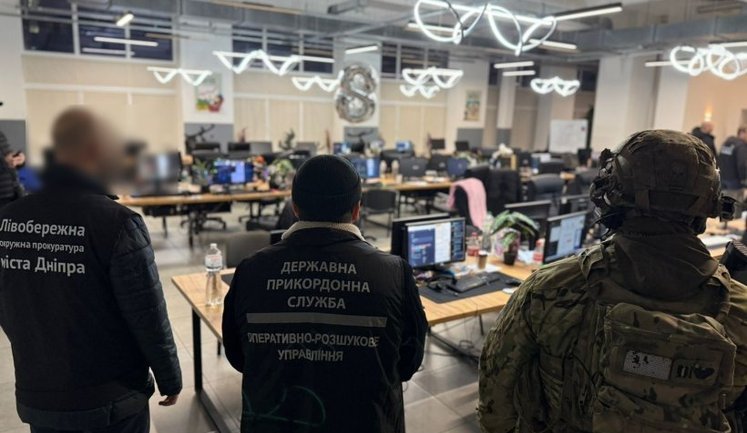
In Ukraine, fraudulent schemes continue to unfold, affecting countless victims. Recent investigations revealed striking scams such as the sale of non-existent quadcopters and vehicles in Sumy, falsified EU documents in Kyiv, and deceptive tactics targeting the families of military personnel in Odesa. In a major crackdown, the SSU, along with the National Police, exposed a syndicate involved in producing fake legal documents for foreigners seeking EU entry. Meanwhile, in Dnipro, law enforcement dismantled a call center used for fraudulent operations that affected citizens across Europe and Central Asia. These incidents highlight a pervasive threat, with fraudsters leveraging various avenues, including cryptocurrency and fictitious social media personas, to deceive and exploit individuals and governments alike in Ukraine and beyond.
How are fraudulent schemes affecting Ukraine's economy?
Fraudulent schemes in Ukraine have significantly affected the economy by causing substantial financial losses. Victims, ranging from ordinary citizens to businesses and government entities, have lost millions in such scams involving fake sales, documents, and fraudulent call centers. The impact extends beyond financial losses as it undermines trust in economic transactions and erodes the credibility of genuine businesses and institutions.
What measures are being taken to combat fraud in Ukraine?
Ukrainian authorities are actively working to combat fraud through collaboration between the Security Service of Ukraine, the National Police, and regional prosecutors. These efforts involve undercover operations, dismantling of fraudulent networks, and comprehensive investigations to disrupt criminal activities. Additionally, public awareness campaigns and stricter regulatory measures are in place to minimize the risk of fraud and protect potential victims.
What is the role of international cooperation in tackling fraudulent schemes?
International cooperation plays a critical role in tackling fraudulent schemes, especially those with cross-border implications. By sharing intelligence and coordinating strategic actions with global agencies, Ukraine can enhance its capacity to identify, apprehend, and prosecute fraudsters. Such collaboration helps dismantle transnational criminal networks involved in schemes like forged document sales and international fraud call centers.
How do fraudulent call centers operate in Ukraine?
Fraudulent call centers in Ukraine operate by employing operators who contact individuals, often under false pretenses or fabricated stories, to extract money. These centers utilize sophisticated scripts and social engineering tactics to manipulate victims into disclosing personal information or making payments. By purporting to offer legitimate services, such centers exploit trust and create significant financial damage to unsuspecting individuals across multiple regions.
What legal actions are taken against fraudsters in Ukraine?
In Ukraine, legal actions against fraudsters include thorough investigations, arrests, and prosecutions led by the Prosecutor’s Office and the State Security bodies. Those involved in fraudulent schemes are charged under specific articles of the Criminal Code, which carry severe penalties, especially when crimes occur under martial law or involve large-scale deception. The judiciary ensures these matters are dealt with to deter future criminal activities effectively.
How do online platforms facilitate fraudulent schemes?
Online platforms, such as social media and e-commerce sites, can facilitate fraudulent schemes by providing an anonymous environment for perpetrators to reach a broad audience. Fraudsters leverage these platforms to impersonate individuals or entities, tricking users into money transfers or sharing private information. To combat this, platforms are increasingly implementing verification processes and collaborating with law enforcement to prevent fraudulent activities and protect users.