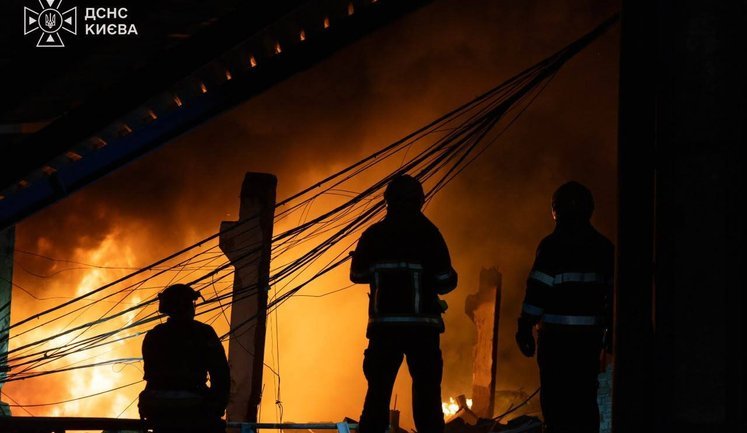
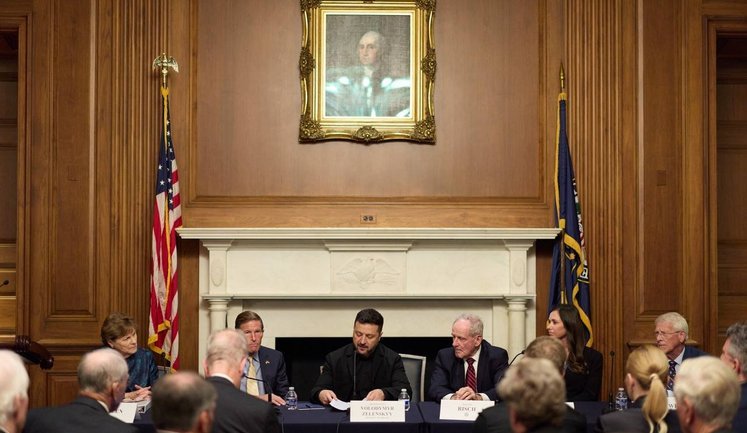
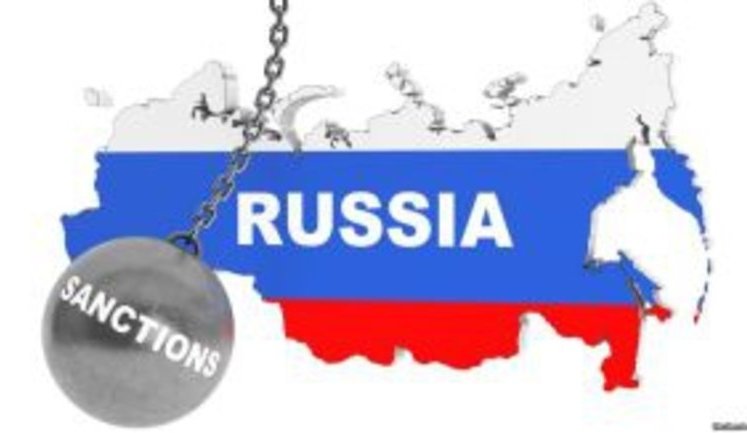
Senator Lindsey Graham and the US Senate have pushed forward a bill to tighten sanctions against Russia, citing attacks on American businesses in Ukraine. This move, celebrated by Ukrainian President Volodymyr Zelenskyy, signals strong international support for Ukraine's defense efforts. The sanctions aim to pressure Russia into negotiation and are seen as crucial by the US and the EU, despite some hesitations within Europe over larger sanctions packages. Meanwhile, countries like Canada and the UK continue to enforce strict sanctions to thwart Russia's military and economic activities. As tensions remain high, Ukraine prepares its 22nd sanctions package, emphasizing the global effort to end the war and support Ukrainian sovereignty.
Why are new sanctions being imposed against Russia?
The US Senate, driven by Senator Lindsey Graham, is tightening sanctions to pressure Russia due to its latest attacks on American businesses and continued aggression in Ukraine. Sanctions aim to weaken Russia's war capability and push for diplomatic negotiations.
How does Ukraine perceive the new US sanctions bill?
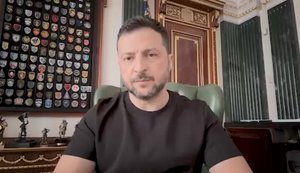
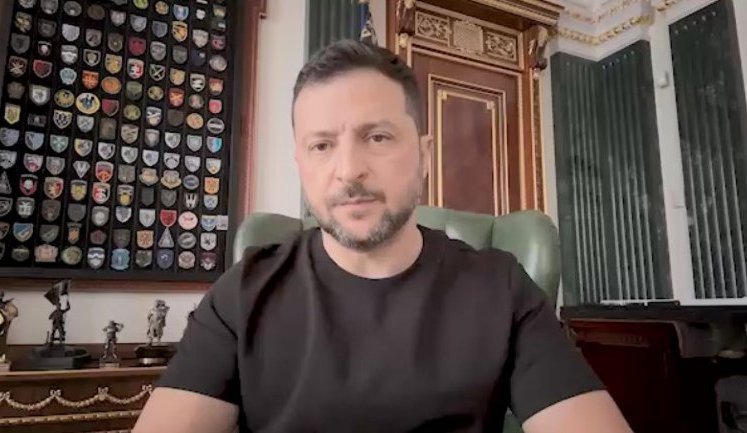
Ukrainian President Volodymyr Zelenskyy views the new US sanctions as a powerful signal of support, increasing international pressure on Russia and assuring Ukraine of its Western allies' commitment to its sovereignty and defense against aggression.
What is the European Union's stance on the new Russia sanctions?
While the EU discusses altering its sanctions strategy, moving towards targeted measures, there remains a strong consensus that continued pressure is necessary. This ensures Russia feels compelled to negotiate and cease hostilities in Ukraine.
What role does the United Kingdom play in sanctions against Russia?
The UK is committed to imposing additional strong sanctions against Russia, reinforcing its stance by targeting organizations involved in Russian intelligence and military operations. The UK's actions complement those of international partners amidst ongoing global efforts to deter Russia's aggression.
How are American sanctions expected to affect the Russian economy?
With new sanctions in place, Russia may face significant economic strain, particularly in its oil and energy sectors. These measures aim to limit financial inflow and resources available for military expenditures, thereby weakening Russia's ability to sustain its war efforts.
What challenges do European countries face regarding sanction agreements?
European nations are deliberating the balance between broad and targeted sanctions due to differing views on the most efficient approach. The challenge lies in maintaining unity and effectiveness amidst diverse national interests and economic impacts among EU members.
What is the significance of Canada's recent sanctions on Russia?
Canada has imposed additional sanctions on Russia, targeting the defense industry and entities spreading misinformation. This move aligns with broader international efforts to hinder Russia's war capabilities and hold it accountable for actions in Ukraine.
Has the United States changed its strategy regarding Russian oil sanctions?
Despite discussions, the US has opted not to ease oil sanctions, maintaining a strict stance to curb Russia's revenue for military use. This continuity underscores the US commitment to using economic measures to influence Russia's geopolitical behavior.
How might Russia respond to increased sanctions pressure?
Russia may attempt diplomatic channels to relieve pressure, but its efforts are closely monitored to avoid exploitation of situations for military advantage. Continuous vigilance among international actors remains vital to ensure sanctions retain their intended impact.
What are the prospects for future sanctions against Russia?
Future sanctions remain likely as long as Russia’s aggressive actions persist. Global alliances, led by the US and the EU, are committed to adapting measures to ensure maximum pressure is applied, aiming for diplomatic resolutions and peace in Ukraine.