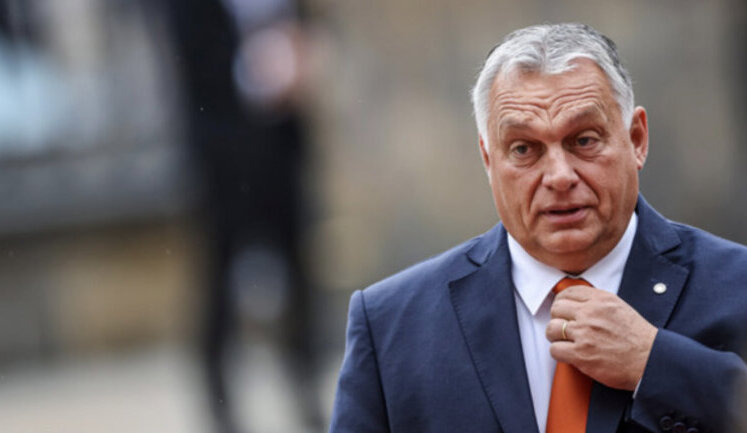
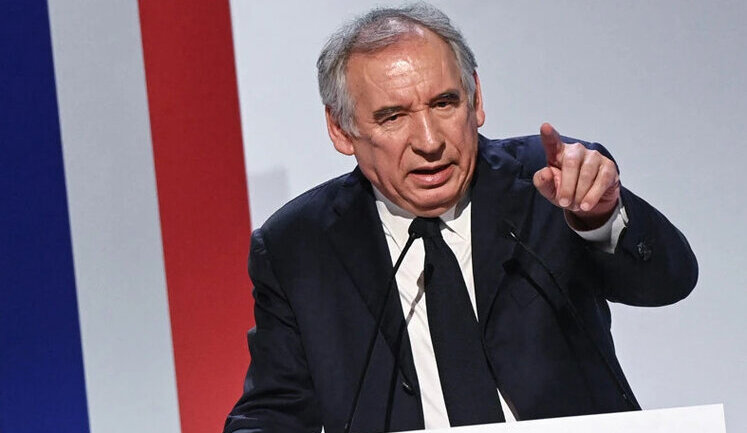
The new US-EU trade agreement is drawing varied reactions. EU representatives describe US demands as maximalist, fearing they jeopardize the goal of avoiding a trade war. Meanwhile, US Secretary of Commerce Lutnick hailed the agreement as a triumph, showcasing Trump's negotiation skills. The pact is also seen as a pivotal step in reducing Europe's reliance on Russian energy, a priority for the German government. However, French and Hungarian leaders harshly criticized the deal, with the French Prime Minister calling it a "black day" for Europe. Viktor Orban remarked that Trump outmaneuvered the EU, highlighting ongoing tensions within the Union about aligning with US policies.
What are the main points of contention in the US-EU trade agreement?
EU representatives believe the US demands imposing trade concessions and other measures may undermine efforts to stave off an economic conflict. These demands, viewed as somewhat aggressive, pose challenges in aligning interests on both sides of the Atlantic. Meanwhile, the EU seeks to mitigate its energy reliance on Russia, making some terms of the agreement appealing to certain member states.
How do European leaders view the new US-EU trade agreement?
European leaders have mixed reactions to the agreement. Some, like French Prime Minister Francois Bayrou, criticize it vehemently, calling it a dark moment for Europe. Others see its potential to strengthen Europe's energy independence. Hungarian Prime Minister Viktor Orban commented on perceived one-sided negotiation prowess by Trump.
What impact could the US-EU trade agreement have on energy independence?
The agreement is expected to significantly aid Europe in reducing its dependency on Russian energy sources. By fostering closer trade relations with the US, Europe can diversify its energy imports, enhancing security and stability in its energy supply. This aligns with the European Commission's strategic goals to ensure sustainable energy independence.
How has the US reacted to the trade agreement with the EU?
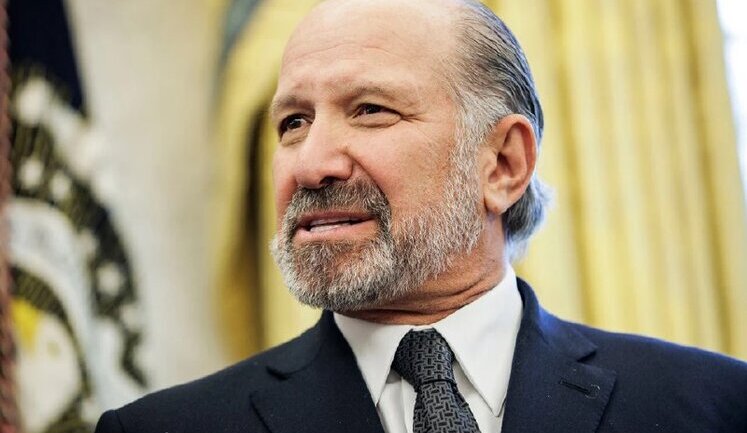
US officials, including Secretary of Commerce Howard Lutnick, express strong support for the new trade arrangement. Lutnick referred to it as a demonstration of effective negotiation by President Trump, indicating significant satisfaction with the terms agreed upon. This agreement is seen as beneficial for reinforcing economic ties with Europe.
What criticism has the US-EU trade agreement attracted from European policymakers?
Criticism emerges primarily due to perceptions of uneven negotiations, where some European policymakers feel the agreement unfavorably tilts towards US interests. French Prime Minister Francois Bayrou famously labeled the deal a "black day" for Europe, suggesting possible disadvantages for the EU side in the trade concessions agreed upon.