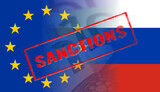
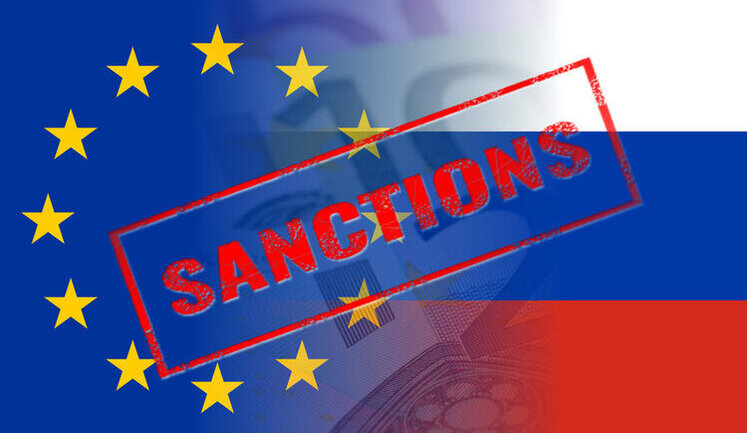
Recent developments highlight the dynamic relations between the European Union and Russia. French President Emmanuel Macron emphasizes the need for Europe to engage directly with Russian President Vladimir Putin, bypassing US mediation. This sentiment is echoed by European leaders like Ursula von der Leyen, who advocates for strategic independence amid Russian aggression and shifting US priorities towards China. Despite ongoing sanctions, trade between EU countries and Russia persists, with the EU reportedly paying significant sums for Russian oil and gas. These transactions underscore the complexity of EU-Russia relations, as leaders navigate economic dependencies while fostering strategic autonomy and defense capabilities. The geopolitical landscape is further complicated by Putin’s influence within certain EU nations, as he seeks to sow discord among member states.
Why is Europe seeking direct dialogue with Russia without US mediation?
Europe aims to establish its own diplomatic channels with Russia to strengthen its strategic autonomy and reduce dependency on the US. This shift is driven by the need to address regional security issues more directly and independently, acknowledging the unique geopolitical dynamics between Europe and Russia.
What is prompting the European Union to focus on strategic independence?
The EU's focus on strategic independence is influenced by Russian aggression in Ukraine and evolving US foreign policy that prioritizes China. These factors necessitate a more self-reliant strategy in terms of economic autonomy, defense, and security, ensuring that Europe can address its own interests effectively.
How does the trading relationship between EU and Russia affect their diplomatic ties?
Despite sanctions, the continued trade between the EU and Russia demonstrates the complex interdependence in their relationship. Economic interests can mitigate diplomatic tensions, but also pose challenges in fully aligning political and ethical considerations with economic realities.
What role do European allies play in Putin’s strategy within the EU?
European allies sympathetic to Russia's positions can inadvertently or deliberately assist Putin in creating divisions and instability within the EU. This undermines collective EU efforts to counter Russian influence and requires careful diplomatic management to maintain unity.
What challenges does the EU face in cutting off energy supplies from Russia?
The EU's reliance on Russian energy presents a significant challenge in aligning its political stance with energy needs. Transitioning to alternative energy sources takes time and investment, making it difficult to rapidly sever ties without economic repercussions or energy shortages.