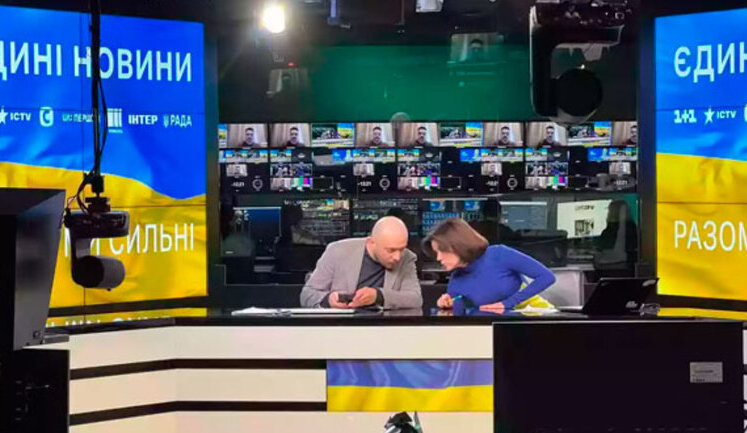
The approval of Ukraine's state Budget-2026 has sparked widespread debate, highlighting priorities such as military funding and strategic communications. Despite a significant allocation of 2.8 trillion hryvnias to the army, roughly 60% of the budget, military pay increases remain absent, shifting focus to improved contract terms. Moreover, controversial allocations include a hefty UAH 4 billion for strategic communications and over UAH 1.5 billion for the United News telethon. Additionally, VAT exemptions on defense imports aim to bolster production in key sectors. Dissenting voices like People's Deputy Zhelezniak criticize perceived funding gaps, underscoring ongoing tensions in budgetary discussions.
What are the main highlights of Ukraine's Budget-2026?
Ukraine's Budget-2026 earmarks 2.8 trillion hryvnias for military expenditures, accounting for nearly 60% of all outlays. Strategic communications receive a substantial increase, with a proposed budget of UAH 4 billion. Additionally, key sectors such as drones and electronic warfare production benefit from VAT exemptions. However, military salary increases are not included, drawing criticism from some political figures.
Why is military pay not increased in the 2026 budget?
The 2026 budget does not allocate funds for increasing military salaries, a decision that officials justify by emphasizing improvements in contract conditions for service members. This approach aims to enhance terms without impacting the budget's focus on other financial obligations, including critical defense funding.
How will the VAT exemptions impact defense-related sectors?
VAT exemptions on imports for defense-related sectors, including drones, electronic warfare, demining, and combat simulators, aim to reduce production costs and stimulate development. These measures are temporary, with fiscal reliefs valid until 2027 or 2029, depending on the sector. This initiative is part of broader efforts to bolster Ukraine's defense industry capabilities amid ongoing geopolitical challenges.
What is the public reaction to Ukraine's Budget-2026?
The public reaction to Ukraine's Budget-2026 is mixed. While significant defense funding is seen as necessary, the absence of military pay raises has incited criticism. Concerns about funding allocations for strategic communications and social programs have also surfaced, reflecting broader debates on governmental priorities and fiscal strategy.
How does the Budget-2026 address strategic communications?
Ukraine's Budget-2026 proposes a tenfold increase in spending for strategic communications, with UAH 4 billion allocated. This substantial investment aims to enhance the nation's communication capabilities, likely serving government and emergency messaging needs. This move underscores the perceived importance of media and information strategy in current national security and policy frameworks.
What are the criticisms of the Budget-2026 from political figures?
Notable criticisms from political figures like People's Deputy Yaroslav Zhelezniak revolve around perceived funding inadequacies in critical areas such as military pay. The absence of salary increases for service members, despite substantial defense allocation, draws scrutiny, reflecting broader dissatisfaction among some lawmakers about the government's fiscal and strategic allocations.
What role do VAT exemptions play in Ukraine's defense strategy?
VAT exemptions serve as a financial incentive in Ukraine's defense strategy, aiming to lower costs and bolster production efficiency for critical sectors, including drones and electronic warfare. This measure targets enhancing the country's defense capabilities while managing budgetary constraints and fostering innovation within the defense industry.
How will the education sector be impacted by the 2026 budget?
The education sector anticipates future salary adjustments for teachers under the 2026 budget, but specific mechanisms are yet to be developed. This has led to uncertainty and calls for clarity in how such commitments will be fulfilled amid other pressing budgetary demands, highlighting the ongoing need for strategic resource allocation.